



Restoring
Biodiversity
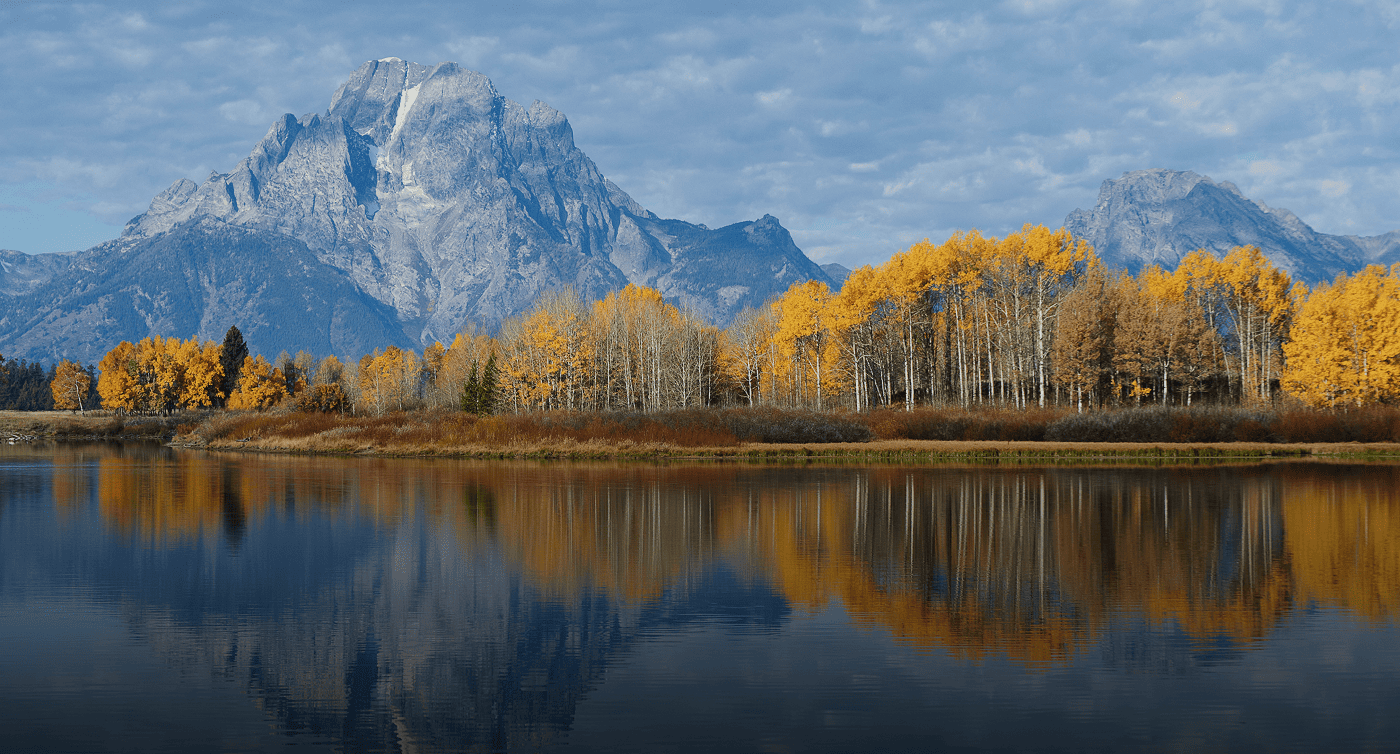
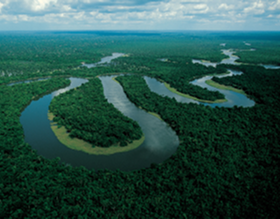
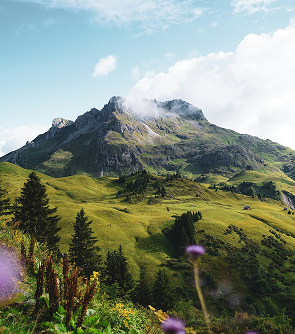
The size of natural habitats and their transformation into fully protected biodiversity reserves, meaning with minimal human presence and negligible impact, is a decisive factor for safeguarding biodiversity and halting its constant decline, which is recorded year after year.
rivedere modelli economici e di comportamento
The larger and more vital the habitats, the less humans interfere and the more they thrive over time.
Europe has enacted the Nature Restoration Law, a tool for the restoration and conservation of European habitats. This measure, although not explicitly intended, will likely lead to a decrease in agricultural and meat production in Europe, thereby redirecting demand toward areas of the world that resort to deforestation to meet their domestic needs and to supply global food trade.
The long-term goal
Active projects
Y2Y Yellowstone to Yukon
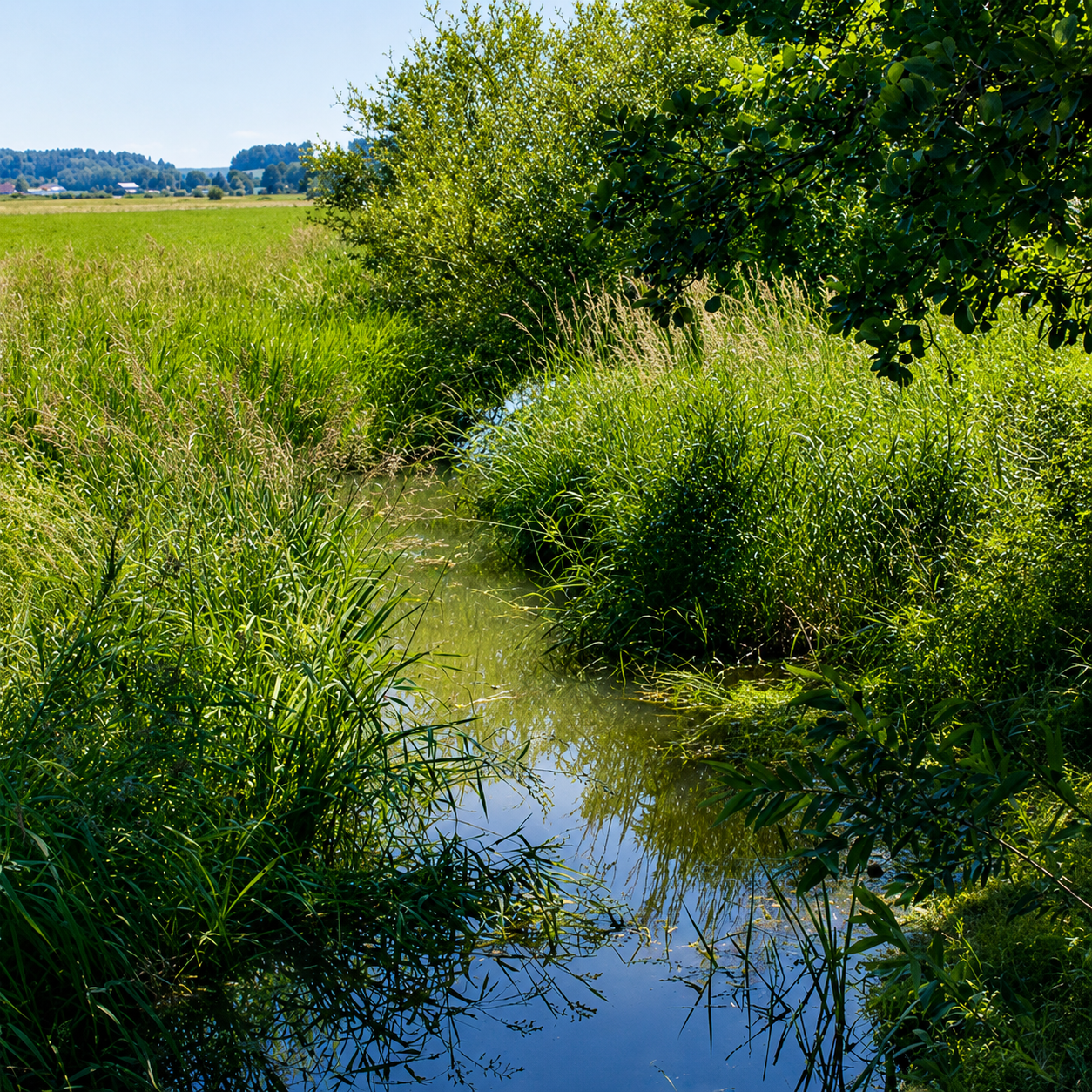
Danube Biodiversity Corridor in Bavaria
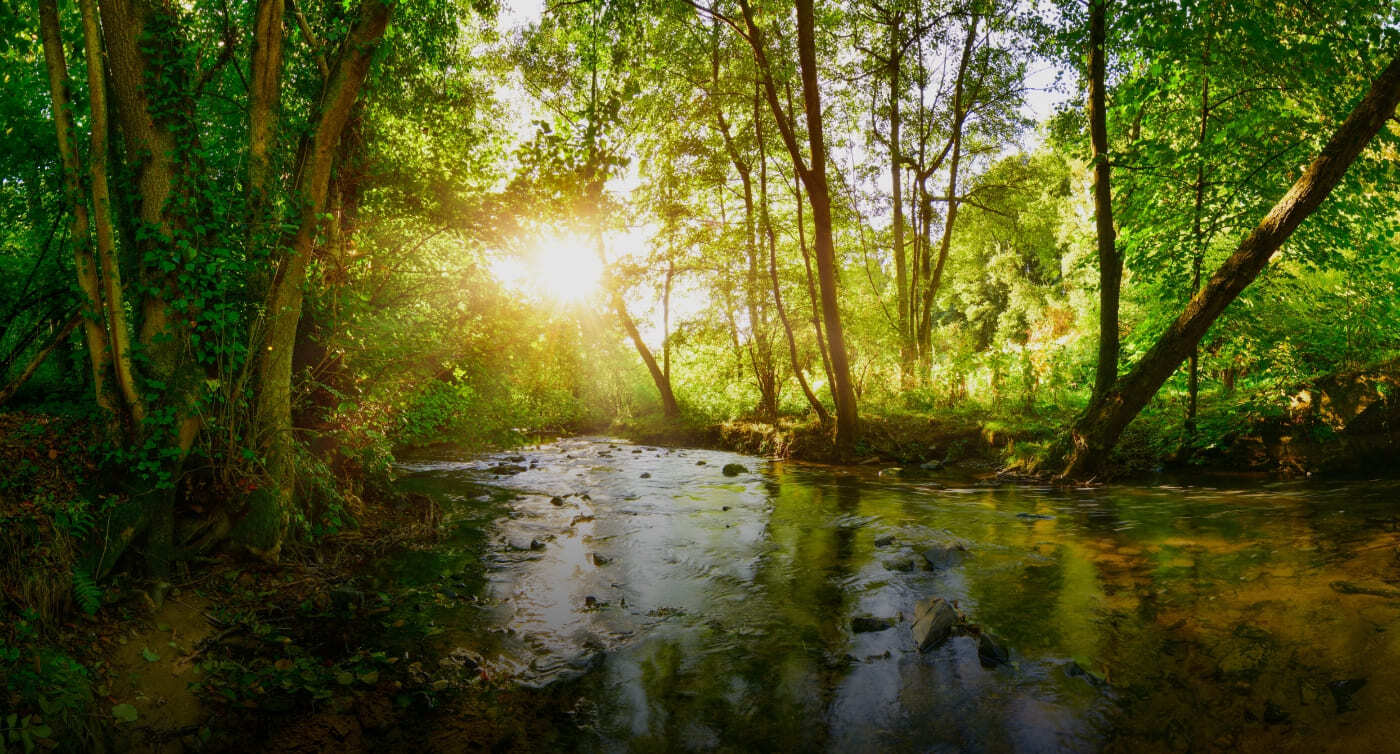
EU Biodiversity Corridor
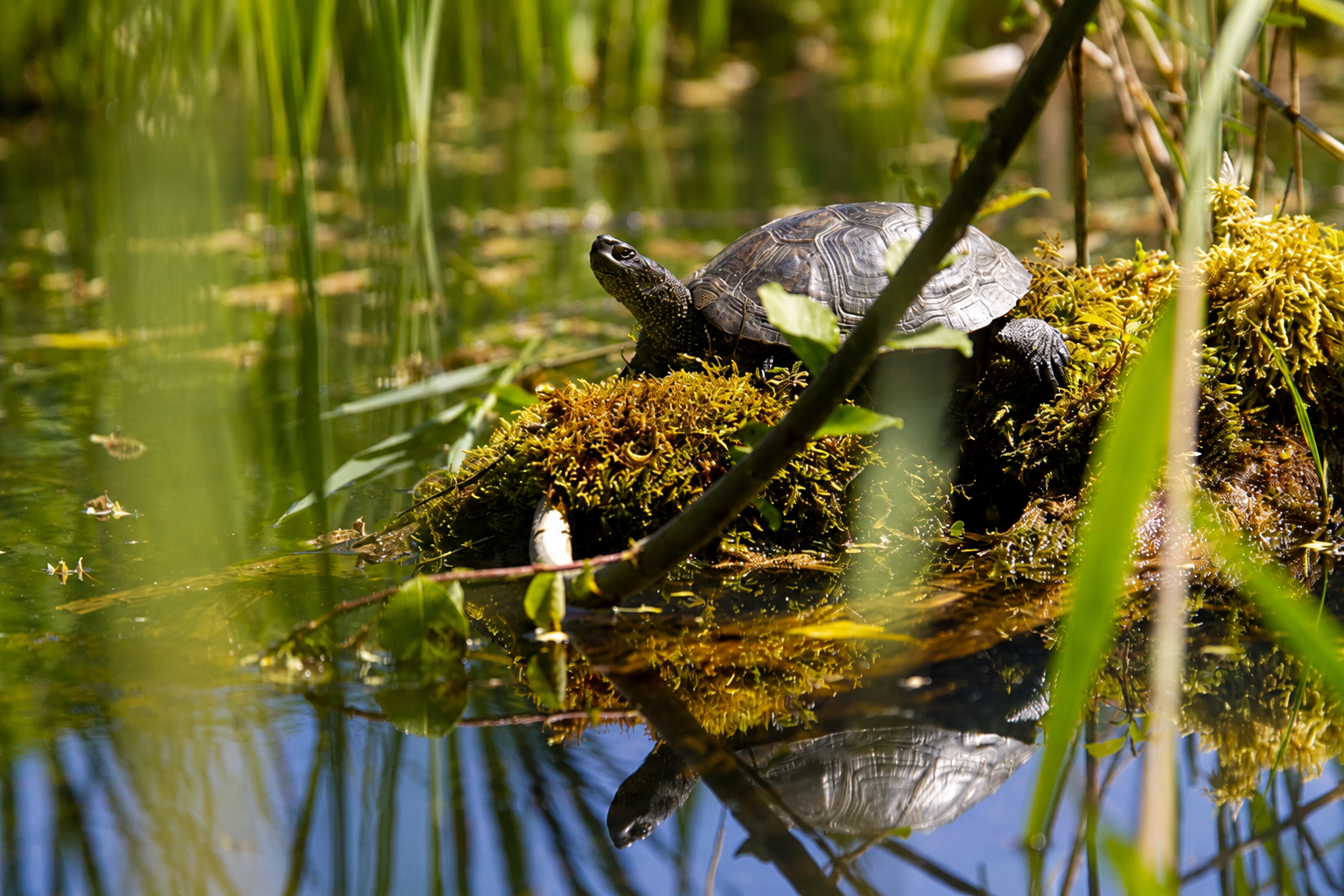
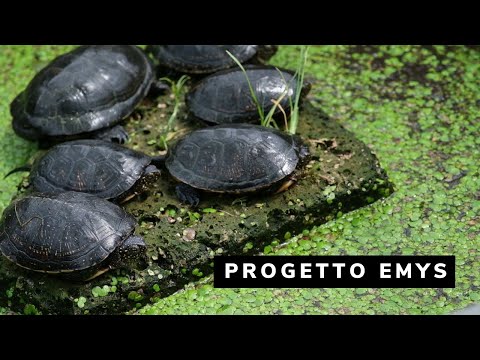
Emys
Project
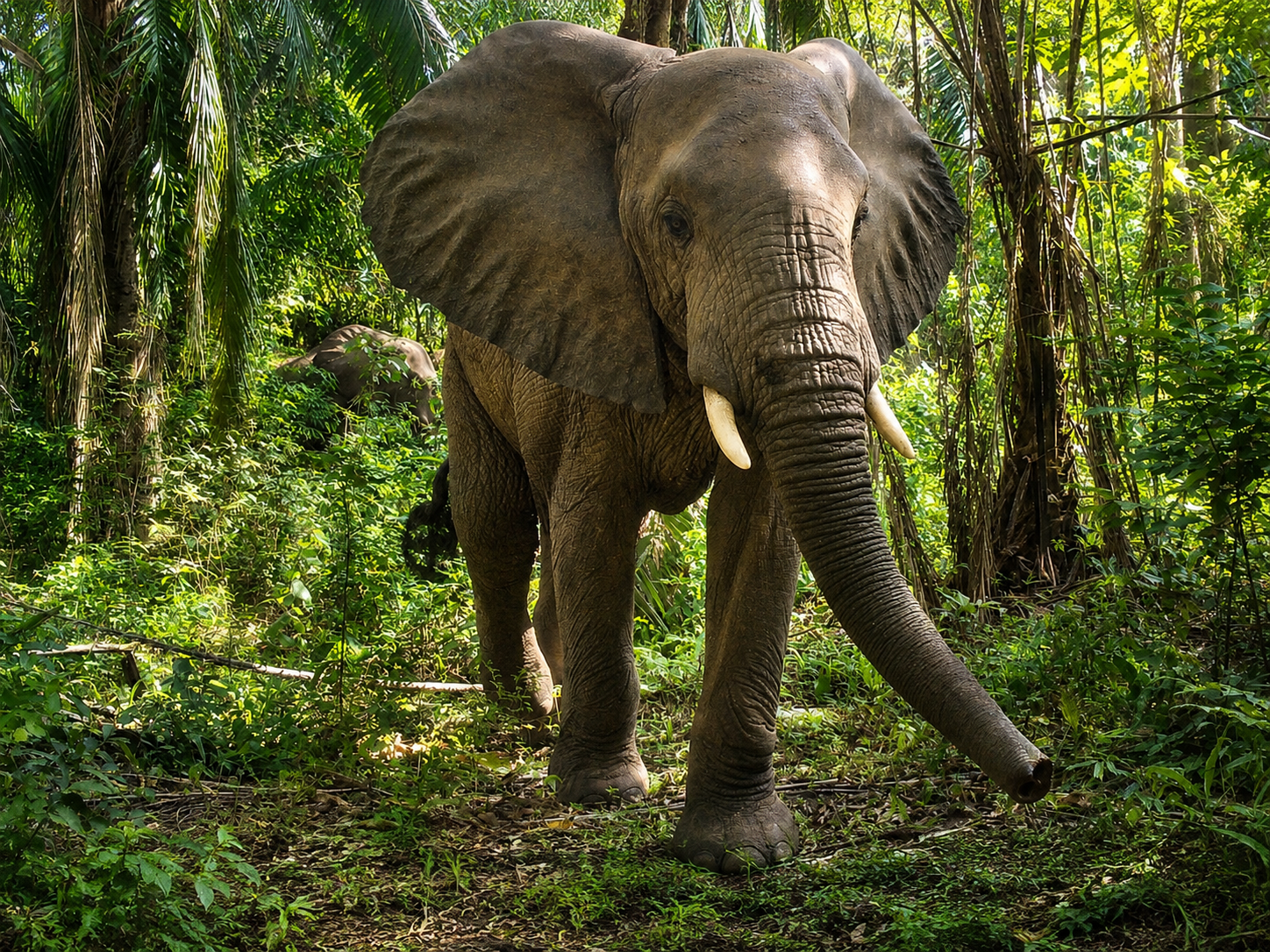
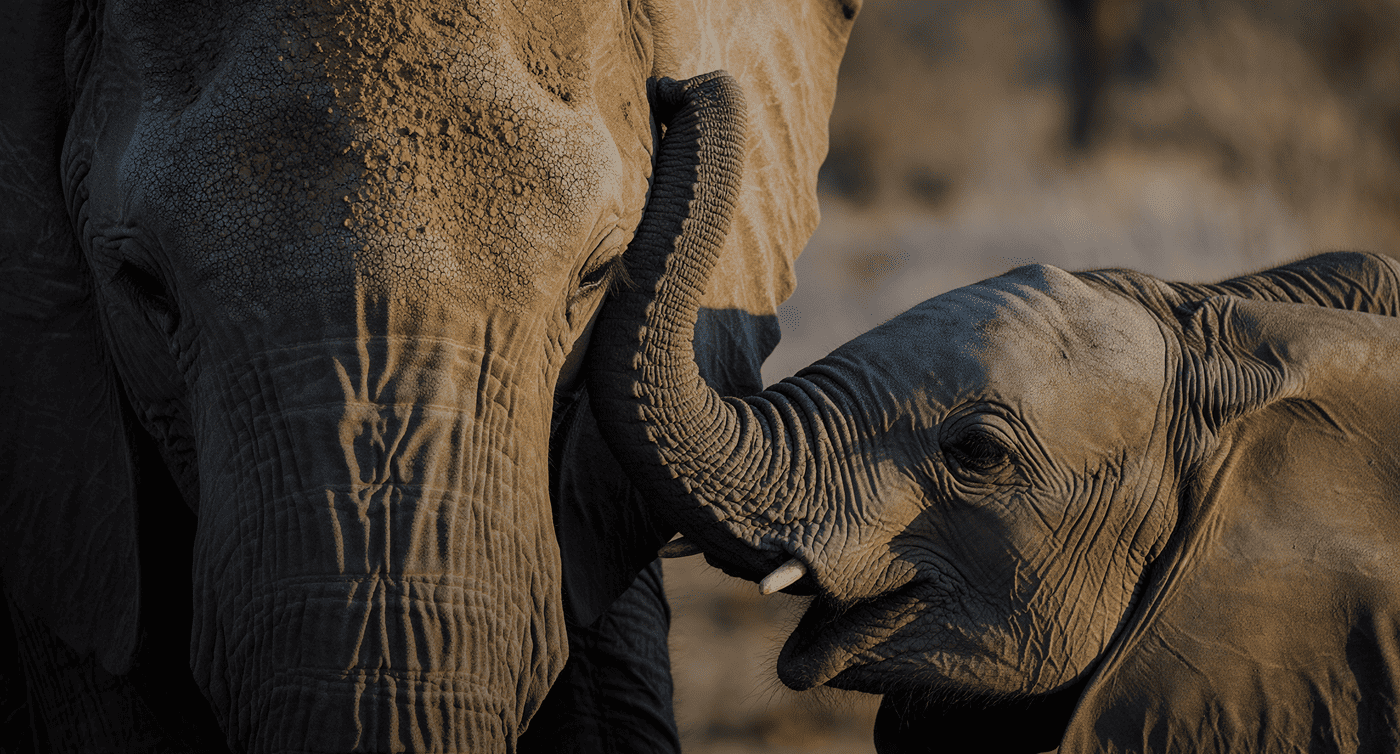
Elephant Corridor in Tanzania
Articles - restoring biodiversity
videos - restoring biodiversity
See all
Elephant Corridor in Tanzania
Marine Protected Areas in Sardinia
Emys Project
Interview with Maria Noichl
Concluded projects
See allMarine Protected Areas in Sardinia
Expand and improve the management effectiveness of individual protected areas by promoting the conservation of crucial habitats and vulnerable species.
Tripoint Brown Bear
Project aimed at the conservation of the brown bear in the cross-border area between Albania, North Macedonia and Greece.
LIFE WolfAlps EU
Improving coexistence between humans and wolves in the Alpine region.