




EU Biodiversity
Corridors
The project aims to identify and connect European ecological corridors to improve biodiversity conservation.
Objective
Protected Areas and the ecological connections between them form the backbone of biodiversity conservation, providing wildlife with suitable spaces to reproduce, rest, and feed, while maintaining natural continuity and thereby supporting the delivery of essential ecosystem services.
Today, the most important areas for ecological connectivity are embedded within a matrix heavily shaped by human activity, which reduces their biological value.
Moreover, EU-funded research projects on ecological connectivity often conclude with maps and recommendations that are rarely implemented on the ground.
The EU Biodiversity Strategy Bringing nature back into our lives, approved by the European Parliament, sets two major targets for 2030: improving the conservation status of species and habitats and protecting 30% of EU territory, of which 10% must be strictly protected.
The EU explicitly highlights the Trans-European Nature Network, which should be strengthened and enhanced. To achieve the improvement target for 30% of species and habitats listed under the Habitats Directive, it is crucial to identify the key nodes of the ecological network and all its connectors, ensuring their effective protection.
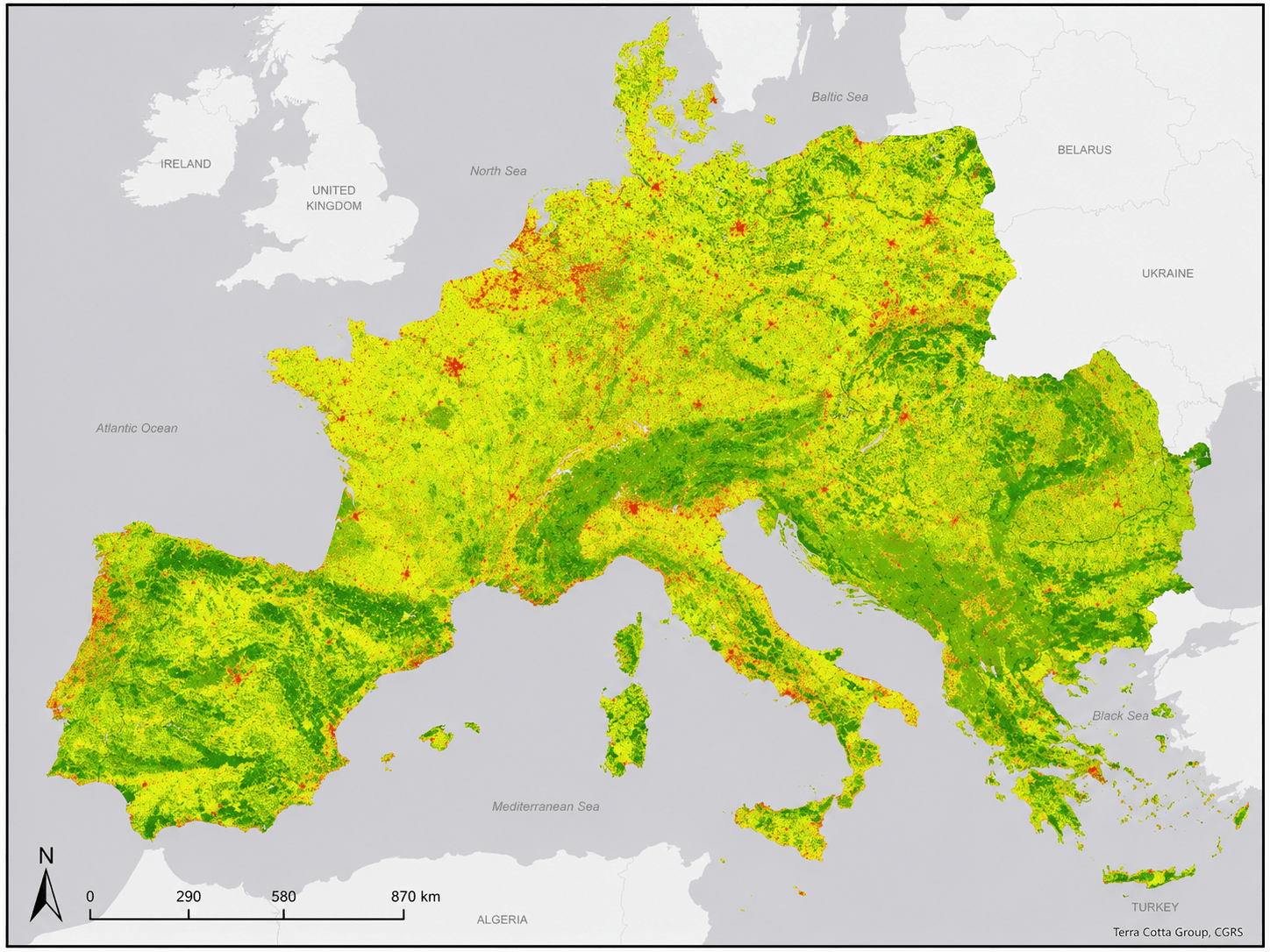
The goal of this iniative is to develop a large-scale scientific study capable of defining Europe's most important ecological corridors, thereby enabling the design and implementation of concrete projects to reconnect fragmented habitats. Through this scientific work, it will be possible to mobilise public and private resources to ensure the effective measures needed to restore biodiversity balance.
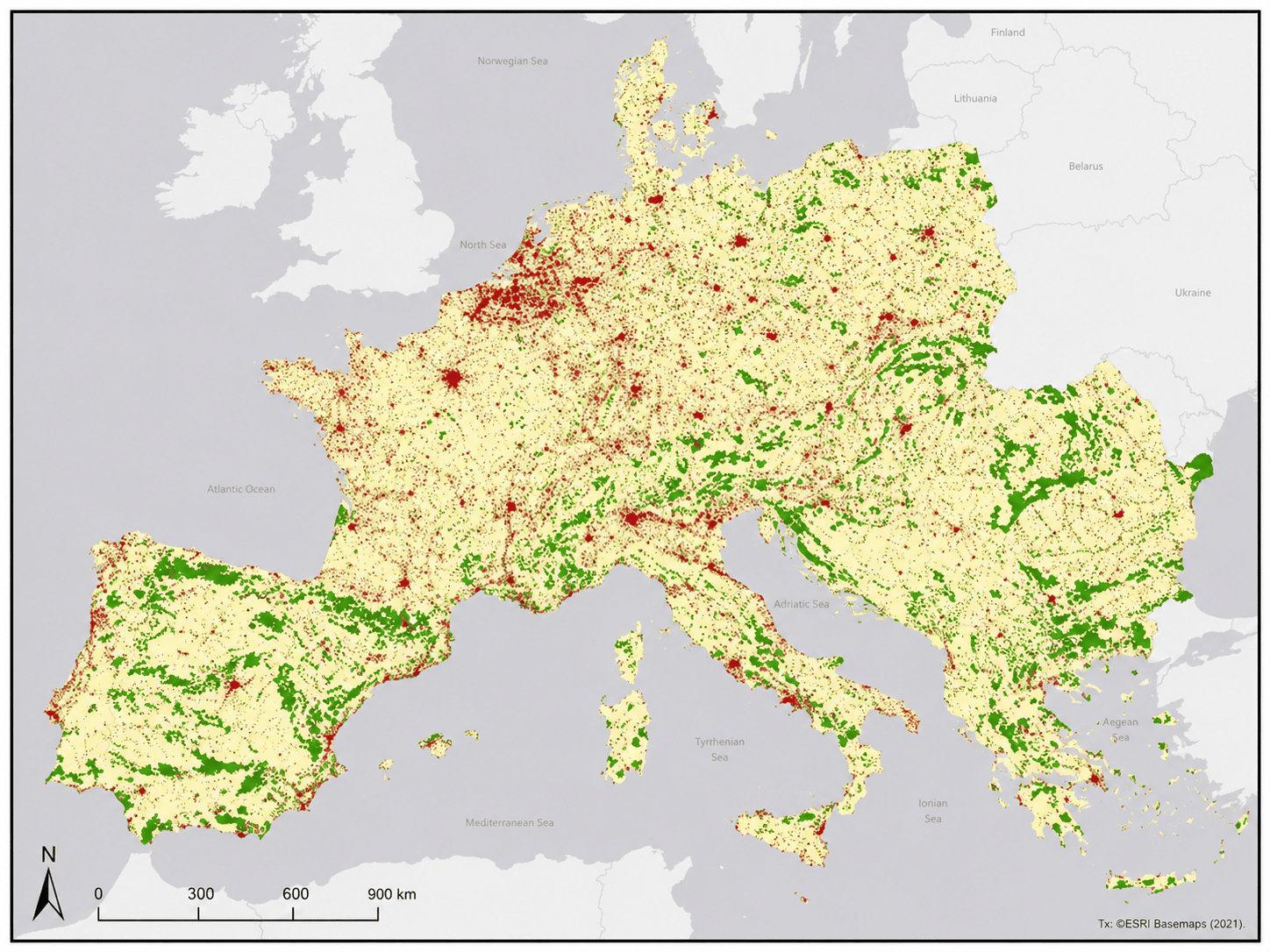
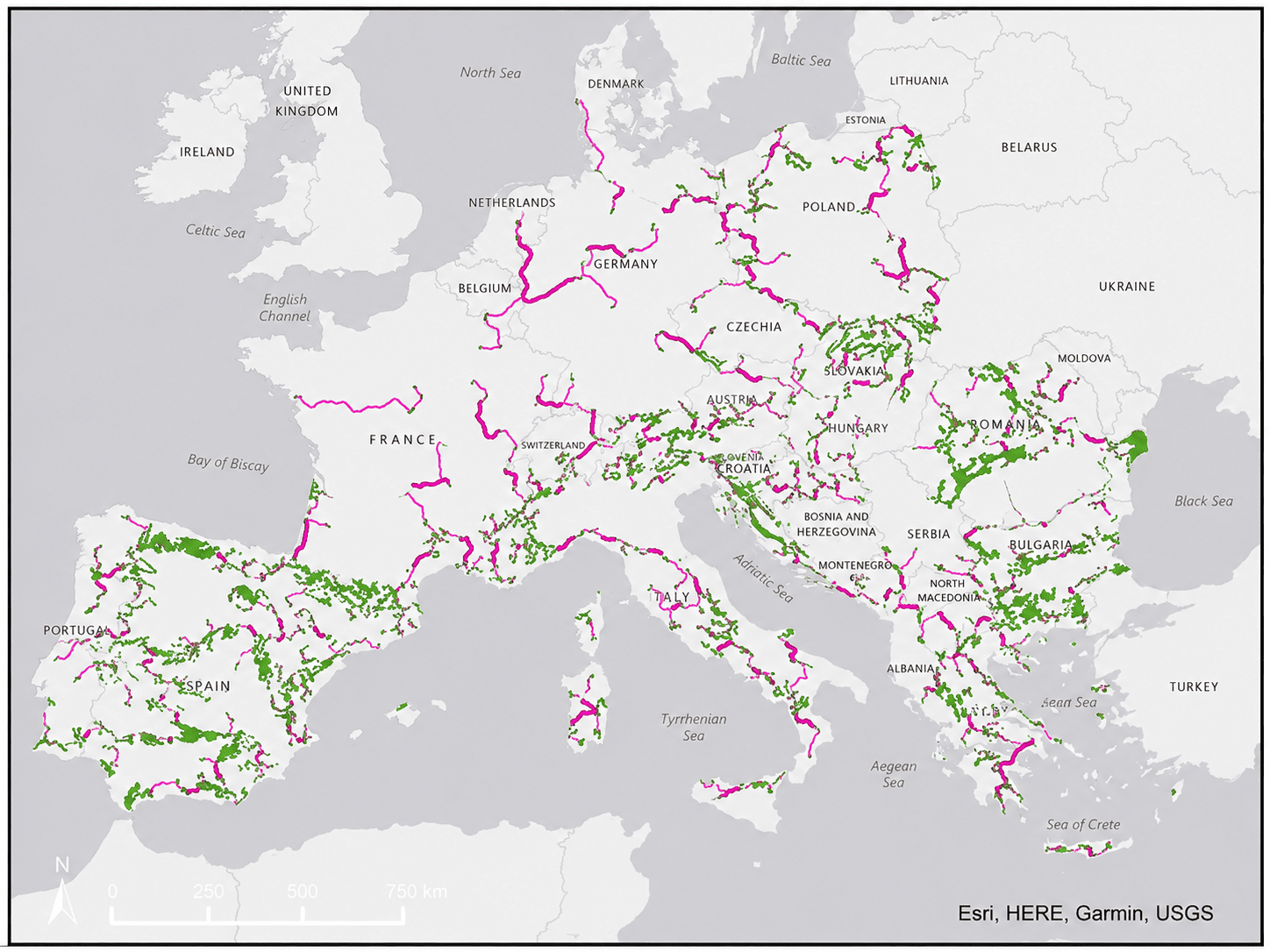
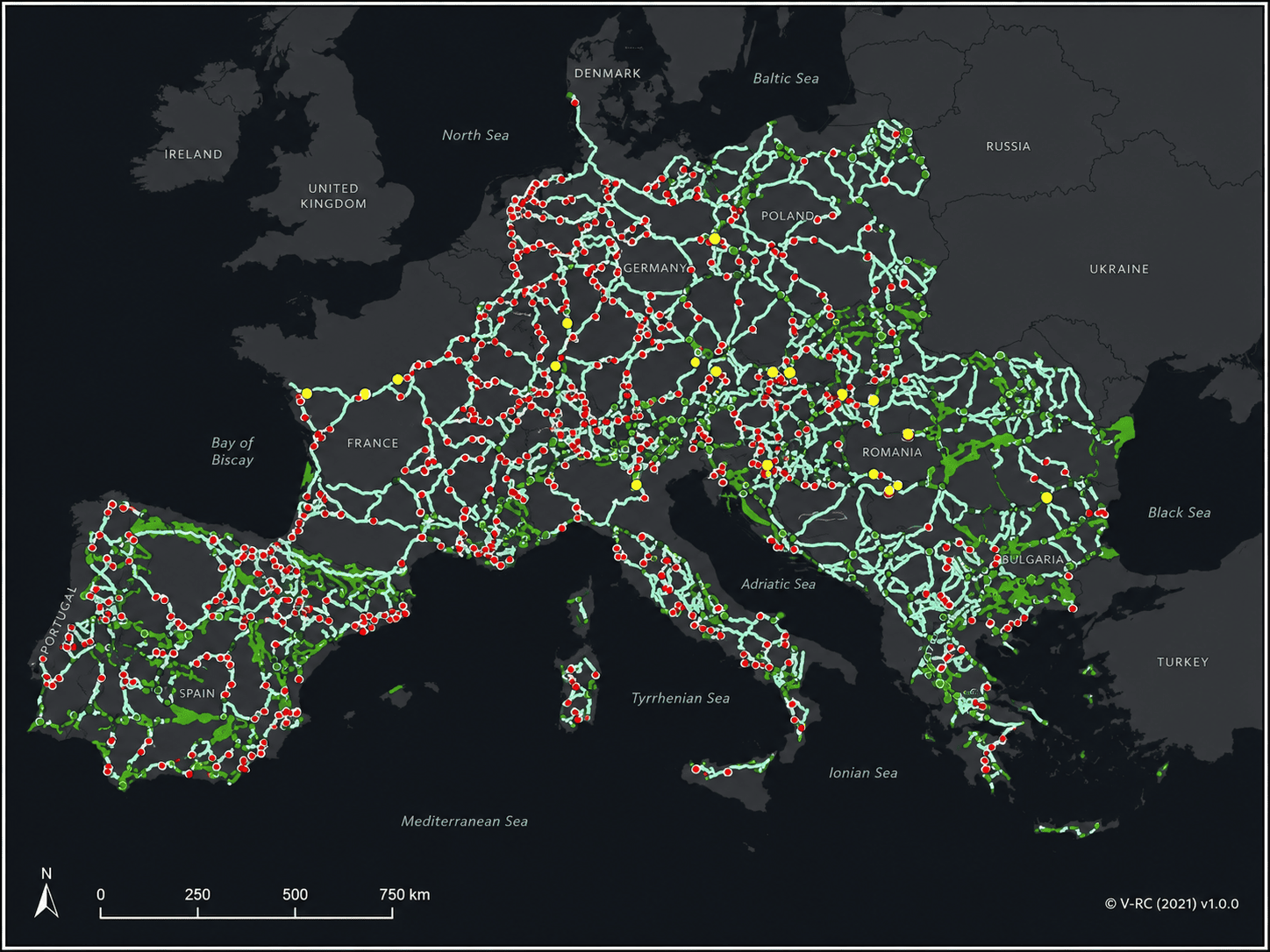
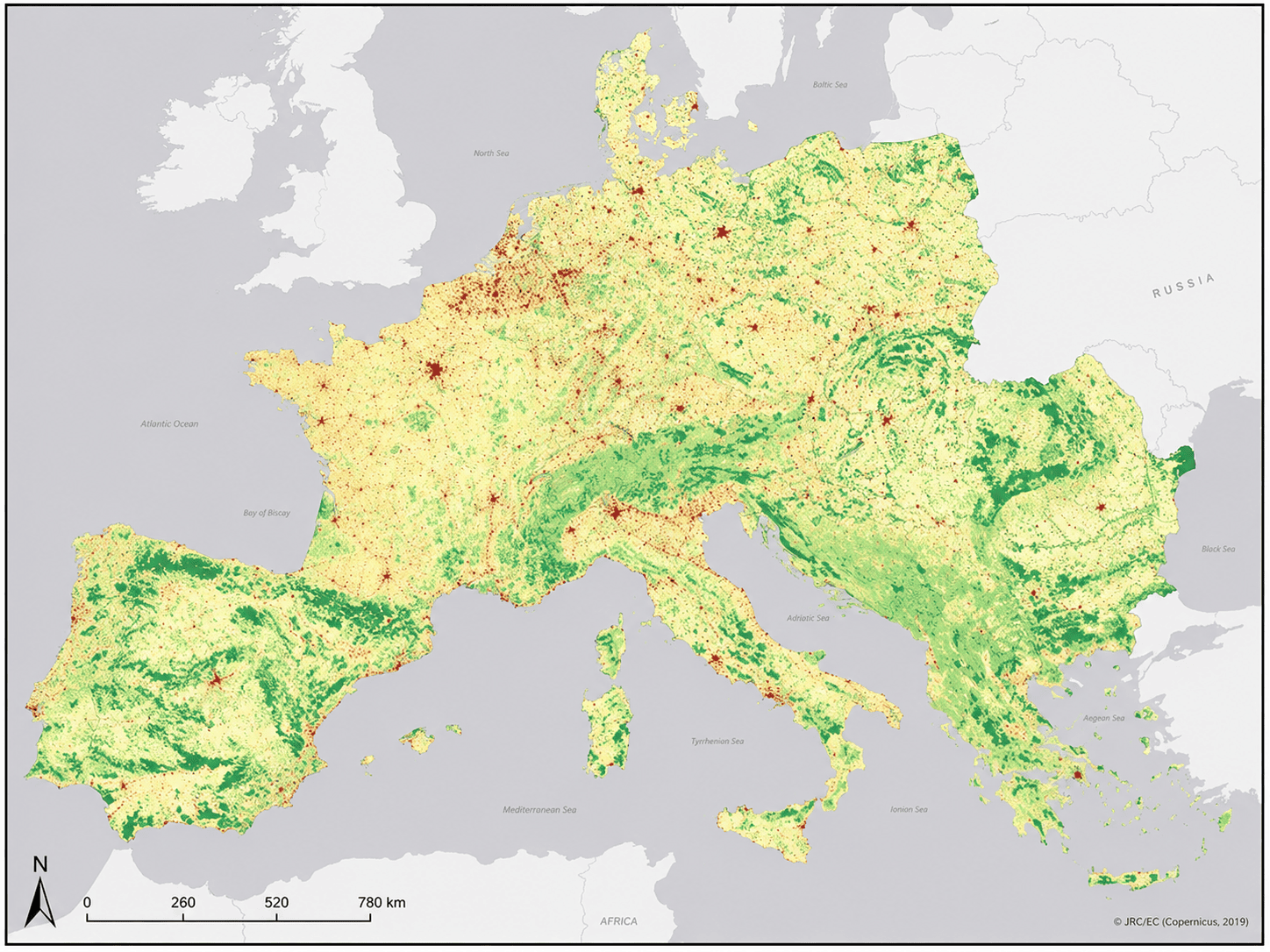
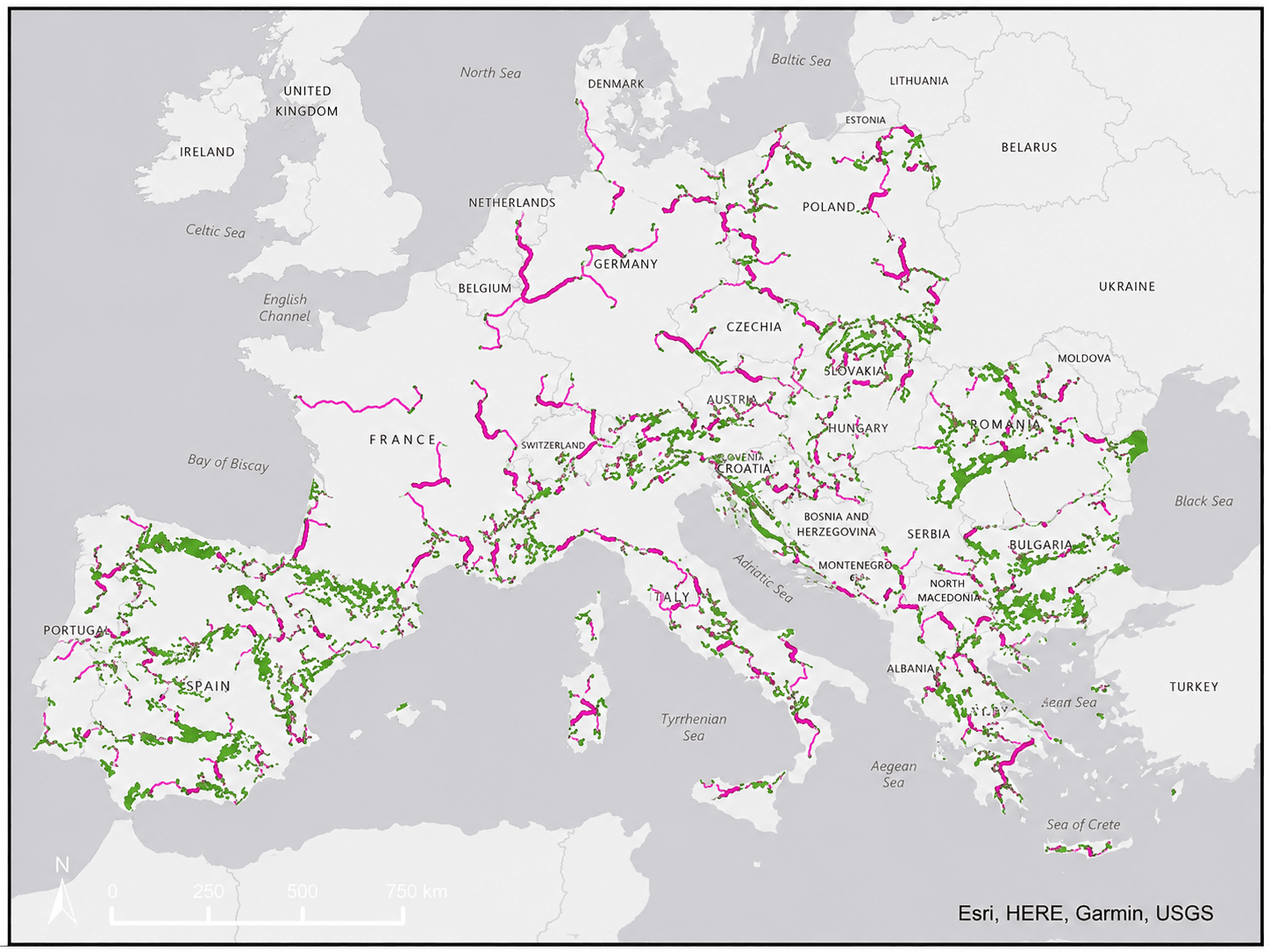
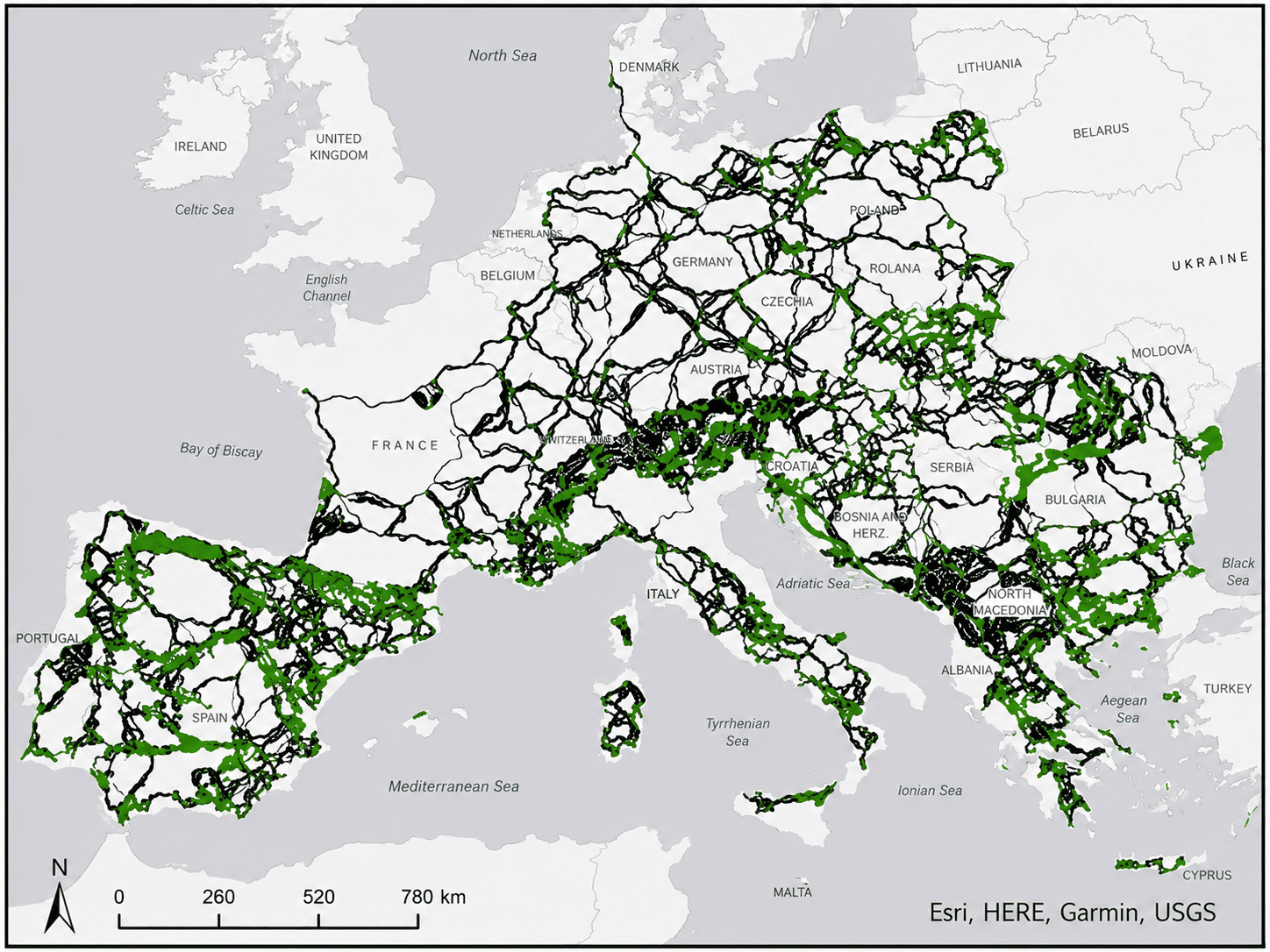
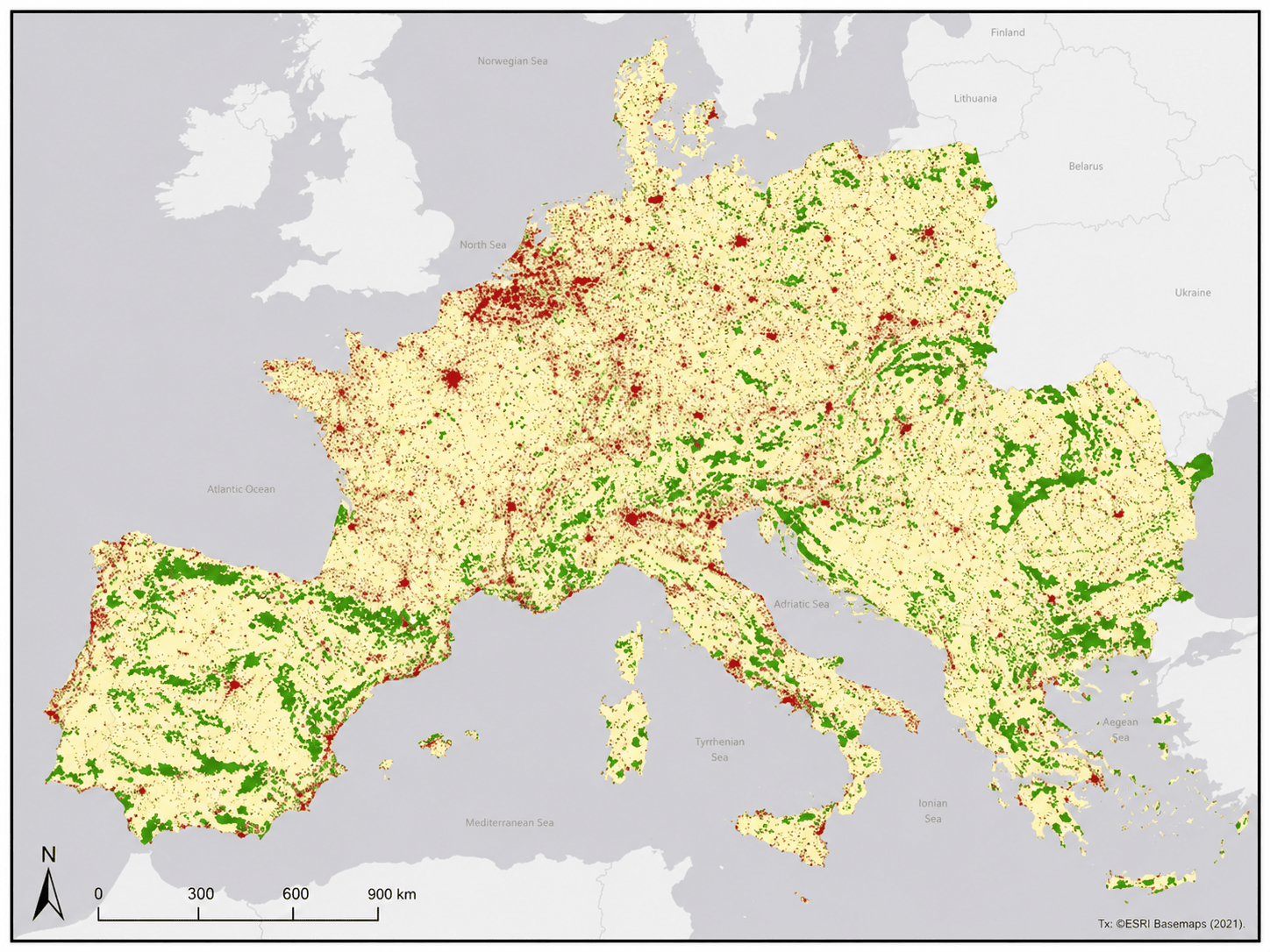
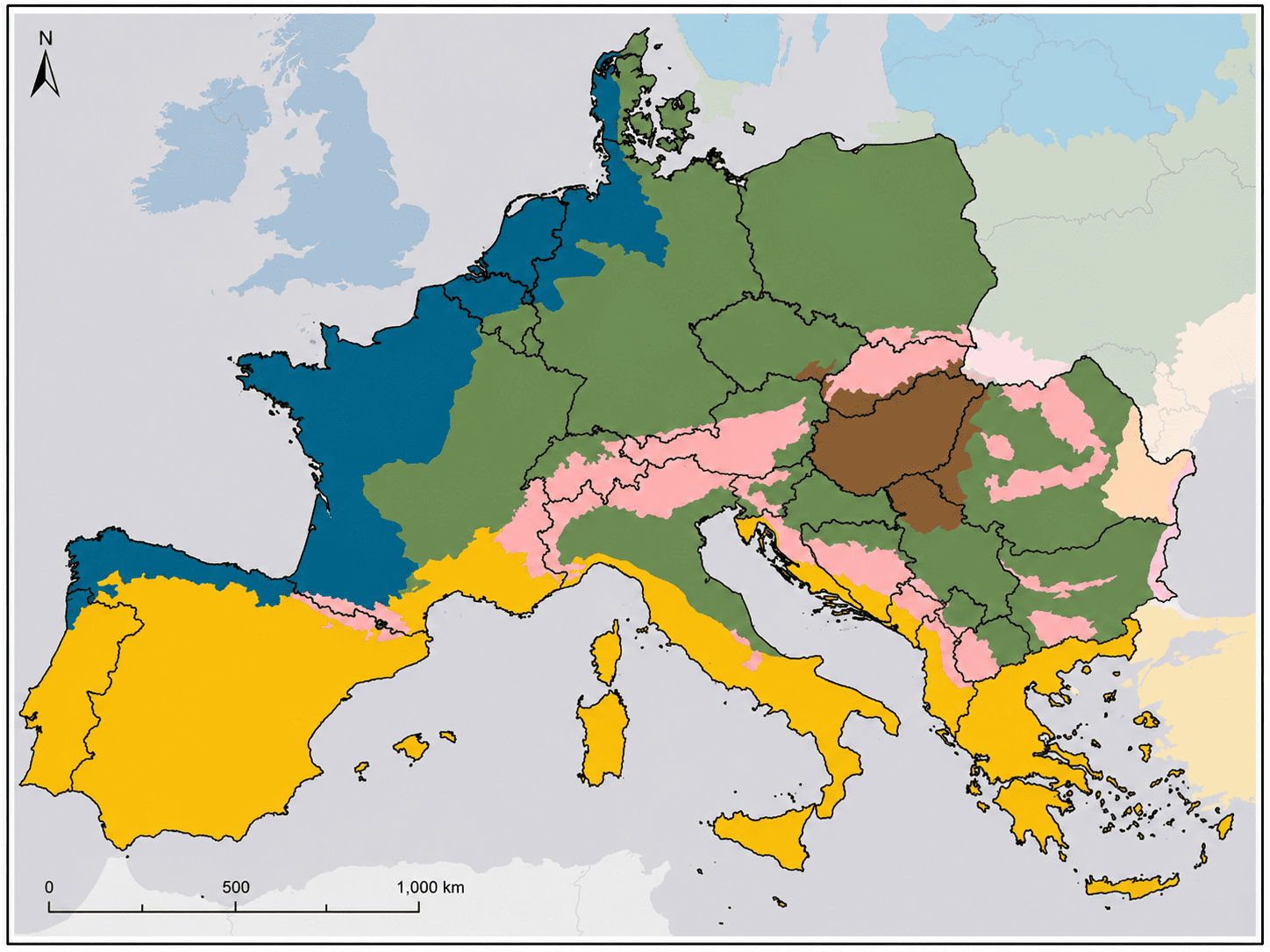
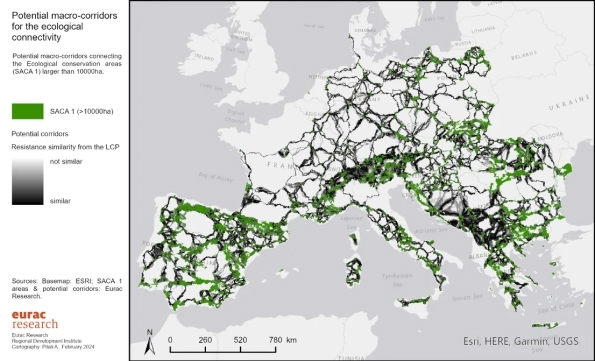
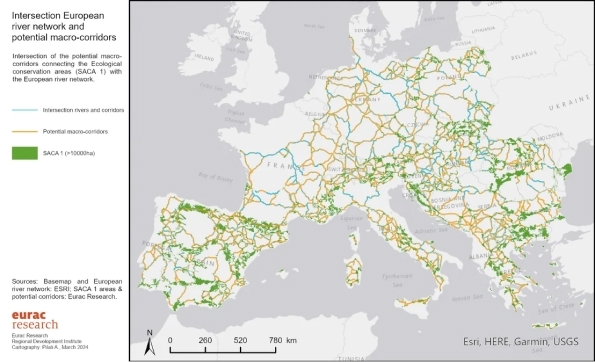
Starting from the overall vision provided by the detailed maps produced, a European network of major biodiversity corridors was identified. This network can serve as guidance and therefore offer relevant policy value, particularly for the Nature Restoration Law. Specifically, this extraction represents a true connectivity skeleton, capable of ensuring biodiversity resilience even in the face of extreme events, climate disruptions and similar pressures. It is also an actionable framework, not merely a theoretical map impossible to implement, on which priority intervention areas have been identified through a gap analysis.
This project has therefore enabled us, and will continue to enable us, to develop:
-
A comprehensive analysis of the current Trans-European Nature Network,
including a state of the art overview and the systematisation of all existing studies.
-
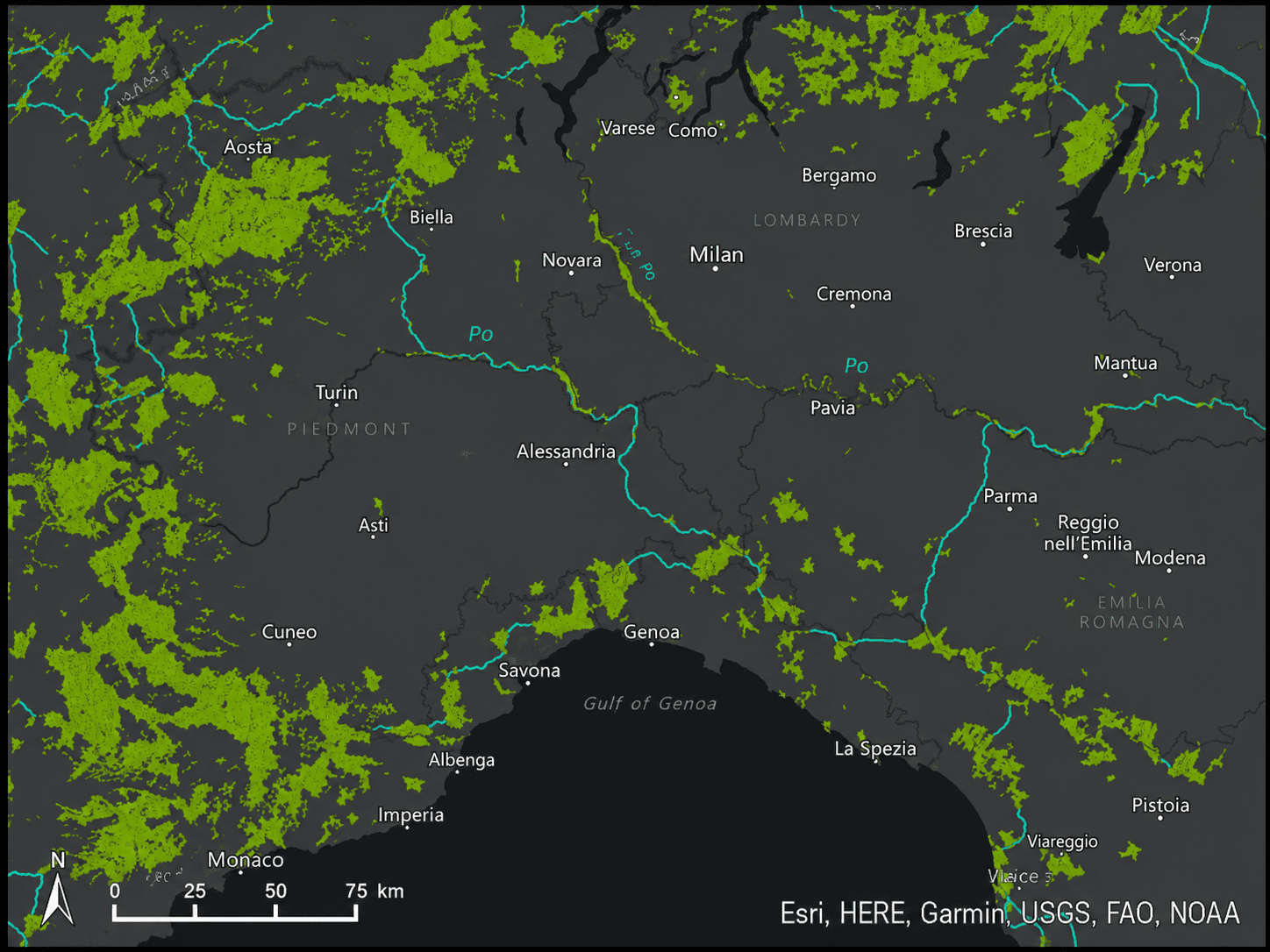
A new mapping of biodiversity corridors at the European scale,
identifying of barriers and priority areas for intervention to improve connectivity and conservation, thereby strengthening the resilience of the ecological network.
-
Contextualisation of the results and concrete proposals for action,
based on the mapping above; initiation of interventions in selected pilot sites (currently underway in Germany); development of technical guidelines for transferring the activities across the entire Trans-European Ecological Network, accessible to Member States for designing their respective intervention plans to be submitted by 2026 in accordance with the Nature Restoration Law.
-
Socio-economic analyses
to assess the costs and benefits of habitat restoration, conservation, and management actions.
-
An evaluation of financing options
for interventions in the identified sites, and engagement with national and international institutions as well as partner organisations to identify the most suitable legislative instruments to ensure concrete implementation in each country, in line with the Nature Restoration Law.
DURATION
1 year (renewable for 5 years) starting from 01.04.2023
OUR INVESTMENT
€ 175.328,00