




Restoring
Biodiversity
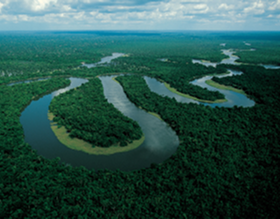
The extent of natural habitats, and how much of them are turned into fully protected biodiversity reserves, is crucial for protecting wildlife. These are areas with very little human presence and almost no impact. Expanding such spaces plays a key role in safeguarding biodiversity and slowing its steady decline, which continues to be recorded year after year.
To review economic and behavioural models.
Larger and more vital habitats tend to experience less human interference, allowing them to thrive over time.
Europe has introduced the Nature Restoration Law, a measure aimed at restoring and conserving habitats across the continent. While this is not its stated purpose, it may lead to a reduction in agricultural and meat production within Europe. In turn, this could shift demand to other parts of the world, where meeting both domestic needs and global food demand often relies on deforestation.
The long-term goal
Active projects
Y2Y Yellowstone to Yukon
Danube Biodiversity Corridor in Bavaria
EU Biodiversity Corridor
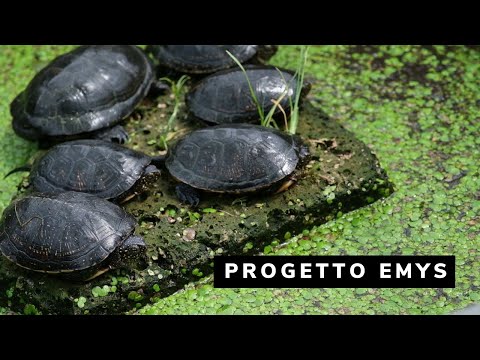
Emys
Project
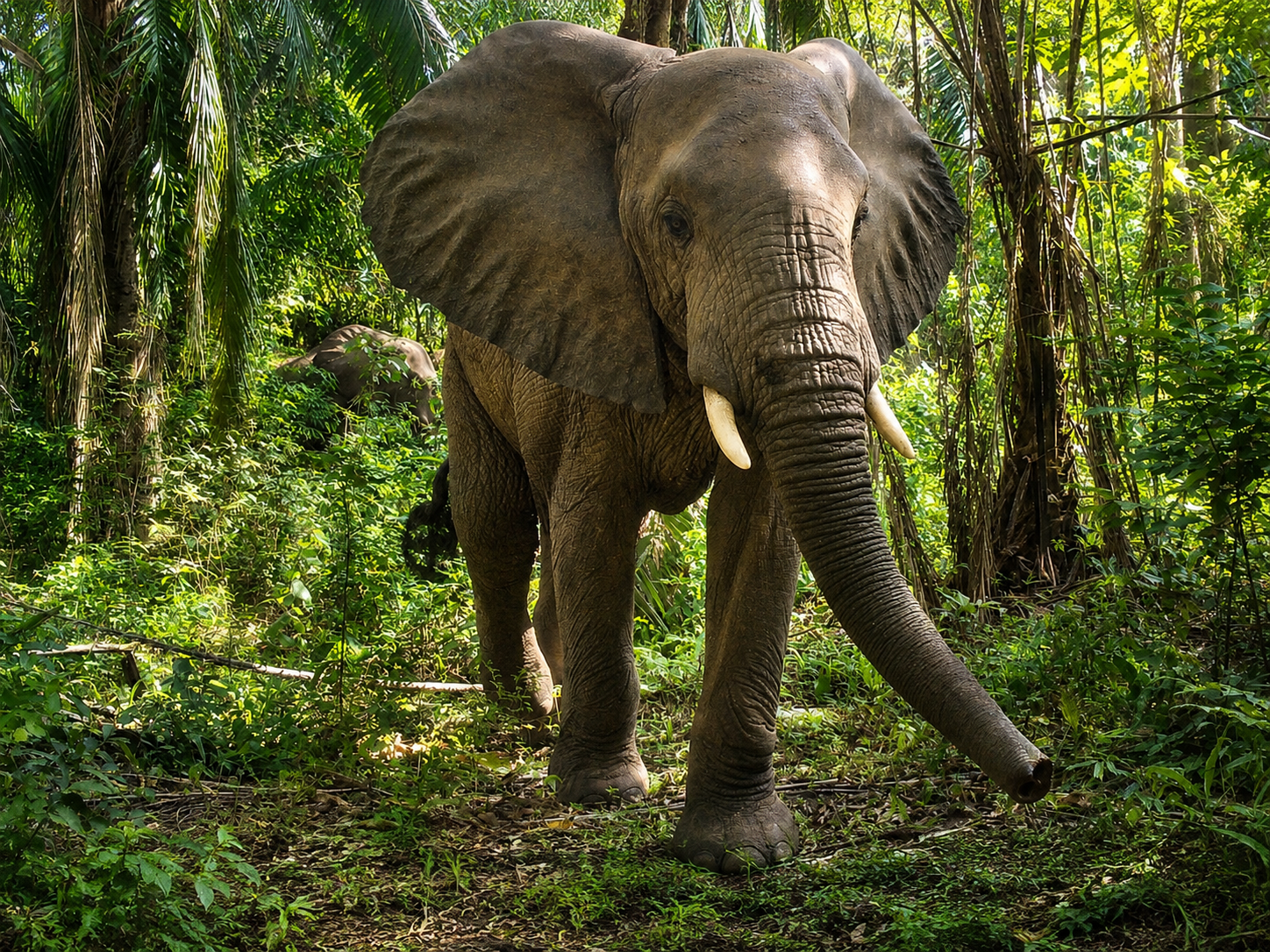
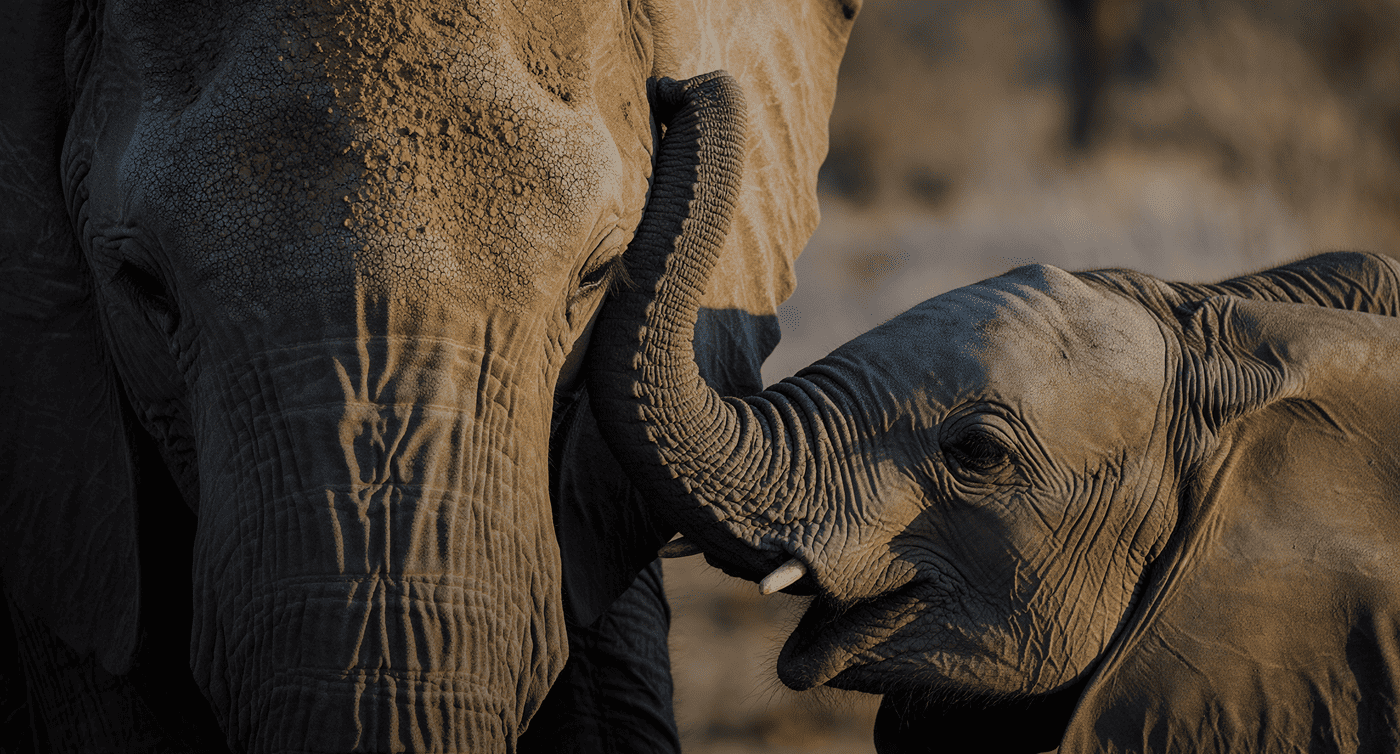
Elephant Corridor in Tanzania
Articles - restoring biodiversity
videos - restoring biodiversity
See all
Elephant Corridor in Tanzania
Marine Protected Areas in Sardinia
Emys Project
Interview with Maria Noichl
Concluded projects
See allMarine Protected Areas in Sardinia
Expand and improve the management effectiveness of individual protected areas by strengthening conservation efforts focused on crucial habitats and vulnerable species.
Tripoint Brown Bear
Project aimed at conserving the brown bear in the cross border area between Albania, North Macedonia and Greece.
LIFE WolfAlps EU
Improving coexistence between humans and wolves in the Alpine region.