





Florence Climate Change

Objective

Cities are particularly vulnerable to the effects of climate change. Concrete and asphalt absorb heat, which becomes trapped between buildings; rainwater struggles to penetrate impermeable surfaces; and human activity has greatly reduced biodiversity. These factors reduce quality of life and make it harder to integrate urban greenery that could mitigate climate change impacts.


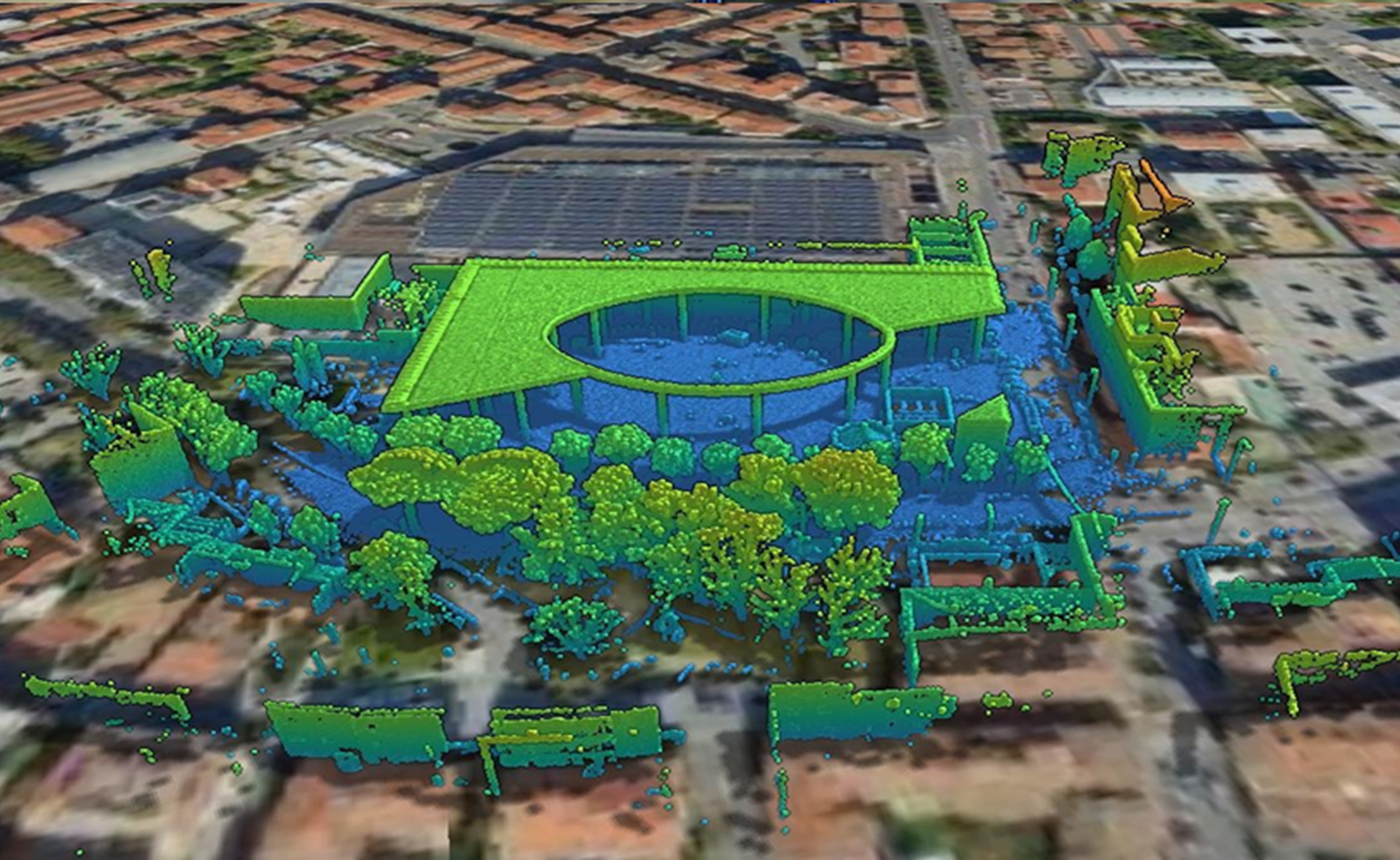
Too often, improvised urban reforestation initiatives are treated as little more than slogans. Instead, these efforts should be grounded in science, making full use of new technologies: selecting the right trees, planting them in suitable conditions, providing proper care, and above all carefully measuring their overall impact.

Area of intervention


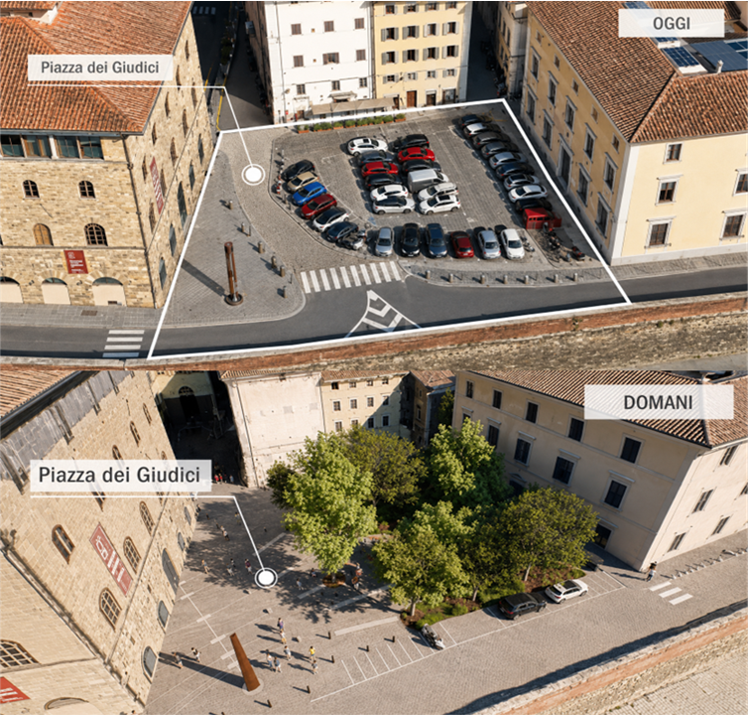
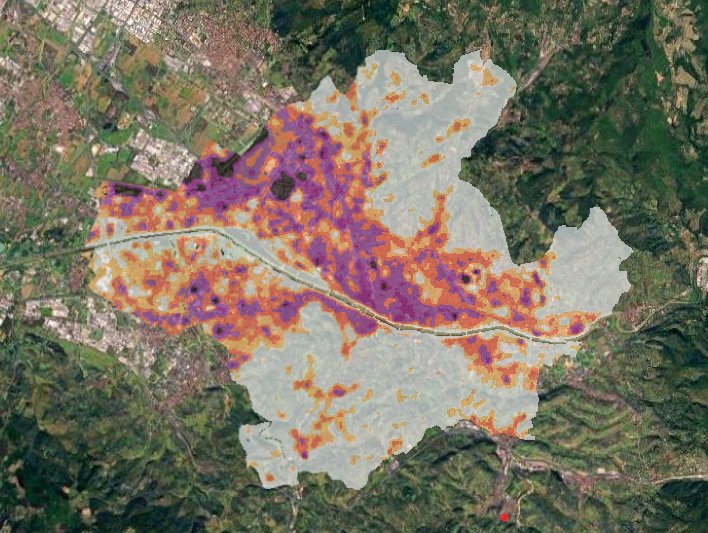
For these reasons Fondazione Capellino has launched a project in Florence that, for the first time, puts innovative nature-based solutions to the test in the field. Their impacts are measured over time with methodical rigour, allowing the project to serve as a model that can be replicated and adapted in other European cities.
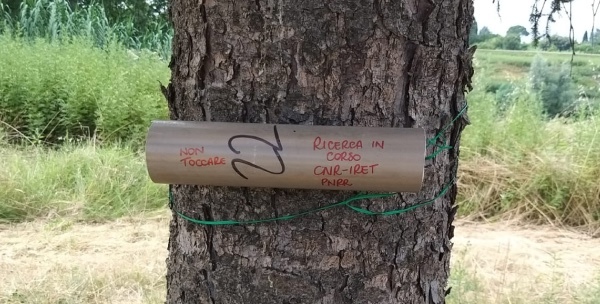
Project

In January 2023, Fondazione Capellino launched its ambitious experimental project with the aim of designing, implementing, and measuring nature-based solutions to mitigate the impact of climate change in cities, foster urban biodiversity, and improve citizens’ health. In February 2024, the initiative was officially recognised by local authorities.

The project is being carried out in collaboration with the City of Florence, under a signed Memorandum of Understanding, and is led by a pool of experts: the CNR provides scientific oversight, the University of Florence manages the eco-physiological aspects, and specialists in botany, biodiversity, surface engineering, and architecture are coordinated by Prof. Alberto Giuntoli.

Global warming is one of the great challenges of the new millennium, affecting more than just human activity. The concept of smart cities often considers nature only peripherally, subordinating it to human needs. To address this, the Florence Project includes a natural area in its planning: the historic Giogo-Casaglia area in the Florentine Apennines will be twinned with the city, creating an integrated protection zone that complements urban study, mitigation, and monitoring efforts.

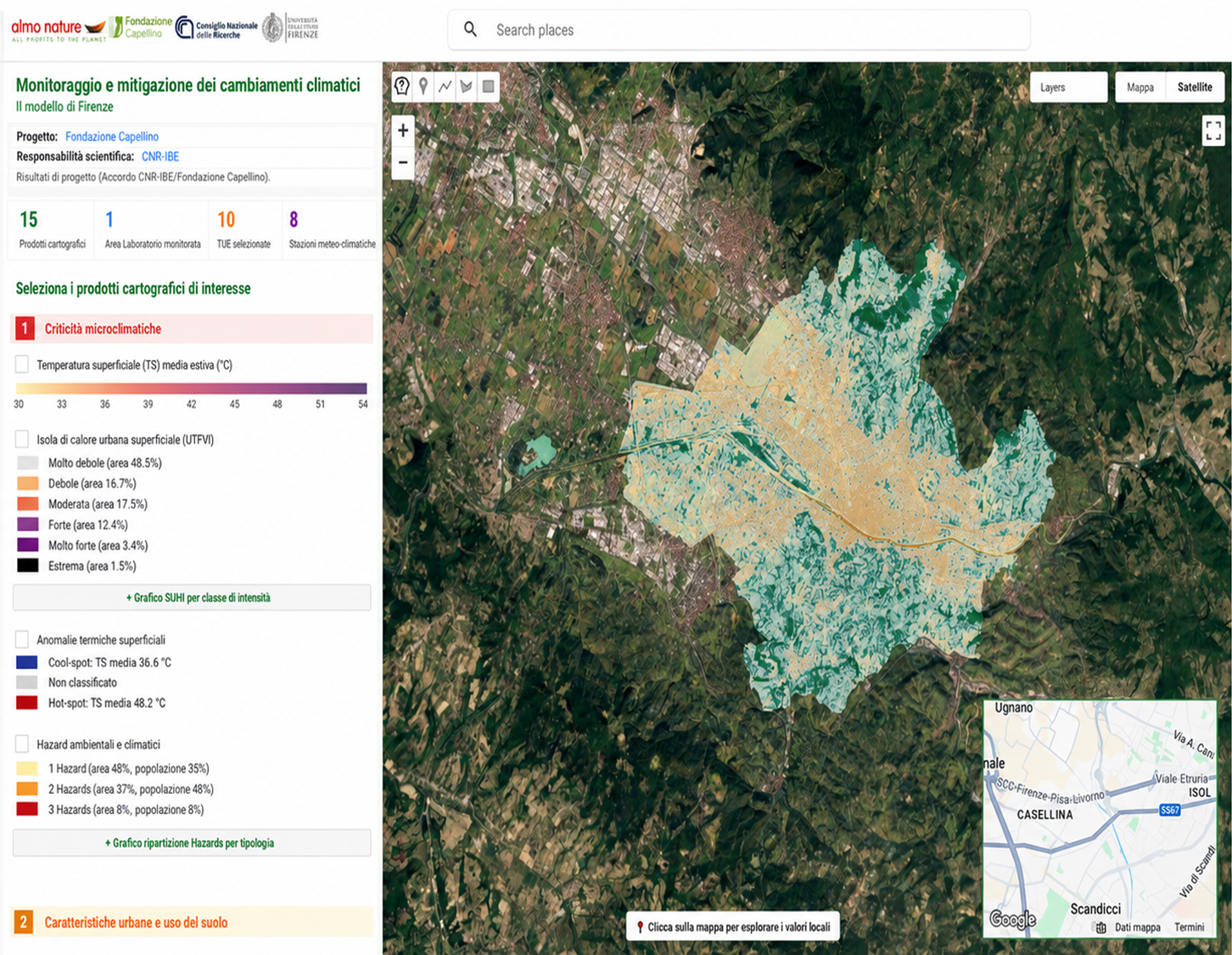
The model proposed in Florence is distinctive in two key ways. First, the “city–natural area” twinning aligns with the goals of Agenda 2030. Second, it implements multi-variable, scientific monitoring of interventions both before and after they are carried out, including biodiversity assessments.

This is the first time a city has been formally twinned with a natural area, reflecting the urgent need for a paradigm shift in how humans relate to nature. The great biologist Edward O. Wilson suggested in one of his final works that half the planet should remain untouched, offering a revolutionary perspective on humanity’s impact on other living beings. Urban areas, crops, and other human-made zones should remain separate from wilderness, minimising their footprint. The remaining land could be designated as a vast, fully connected protected area, establishing ecological corridors to maintain continuity and preserve biodiversity.

The distinctive elements of our intervention are:

  • A  scientific approach at every stage, from study design and modelling, to implementation and monitoring
  • A multidimensional perspective:, addressing not only on CO2 storage, but the wider impacts on air, water, soil, biodiversity, taking into account the combined action of multiple variables
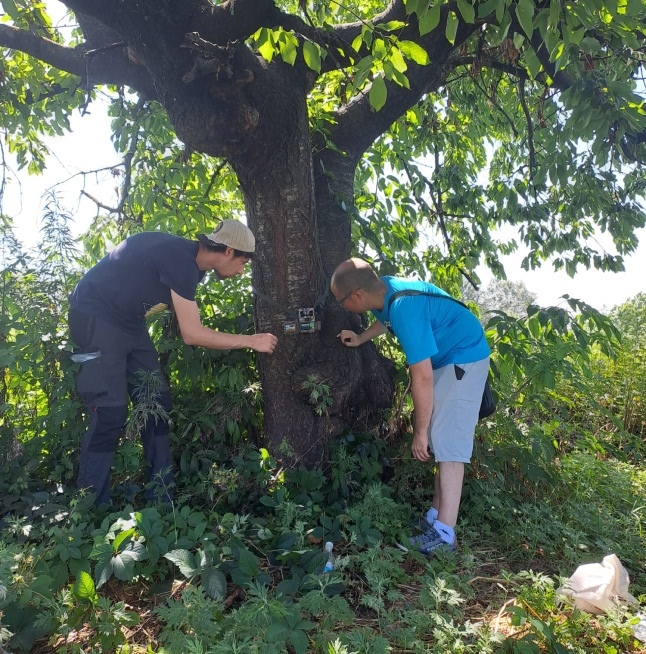
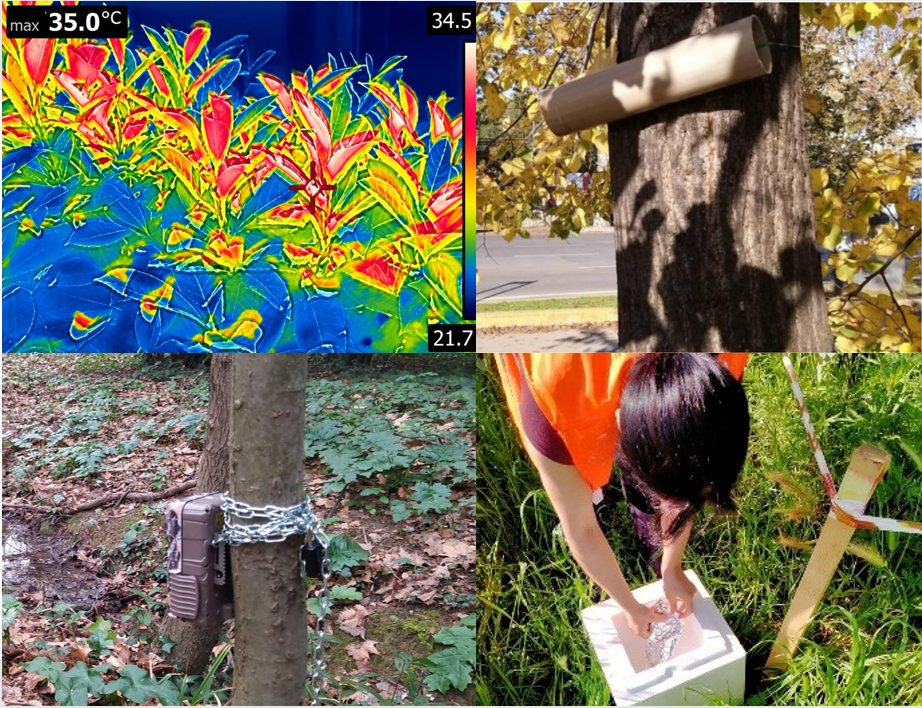
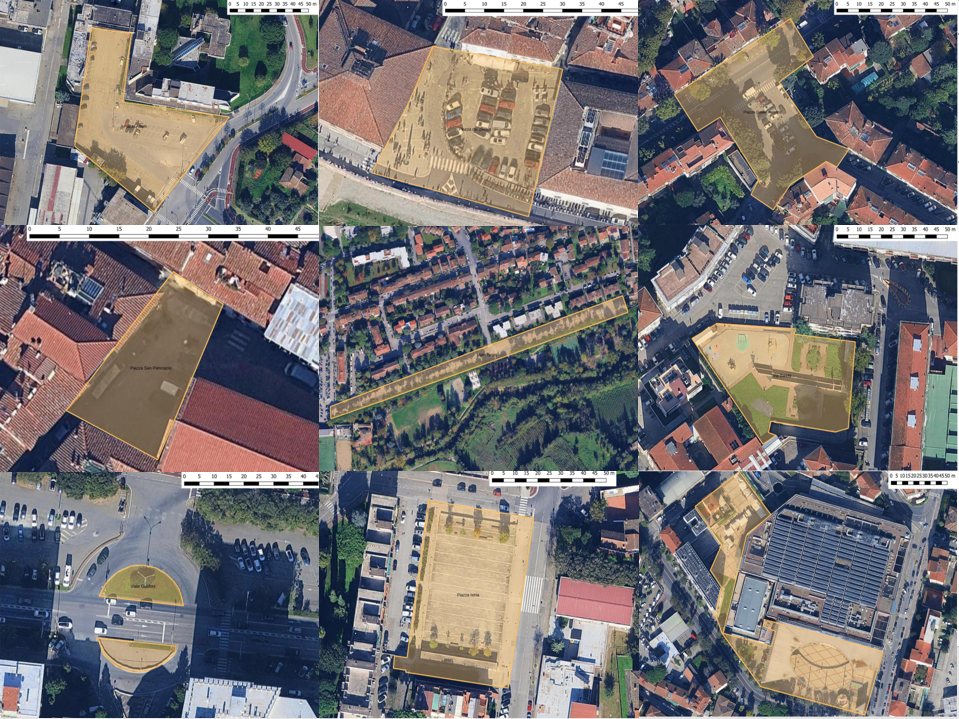
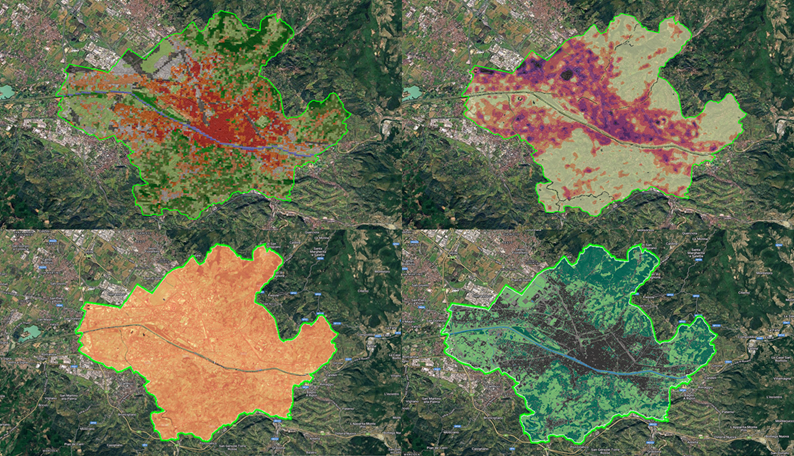
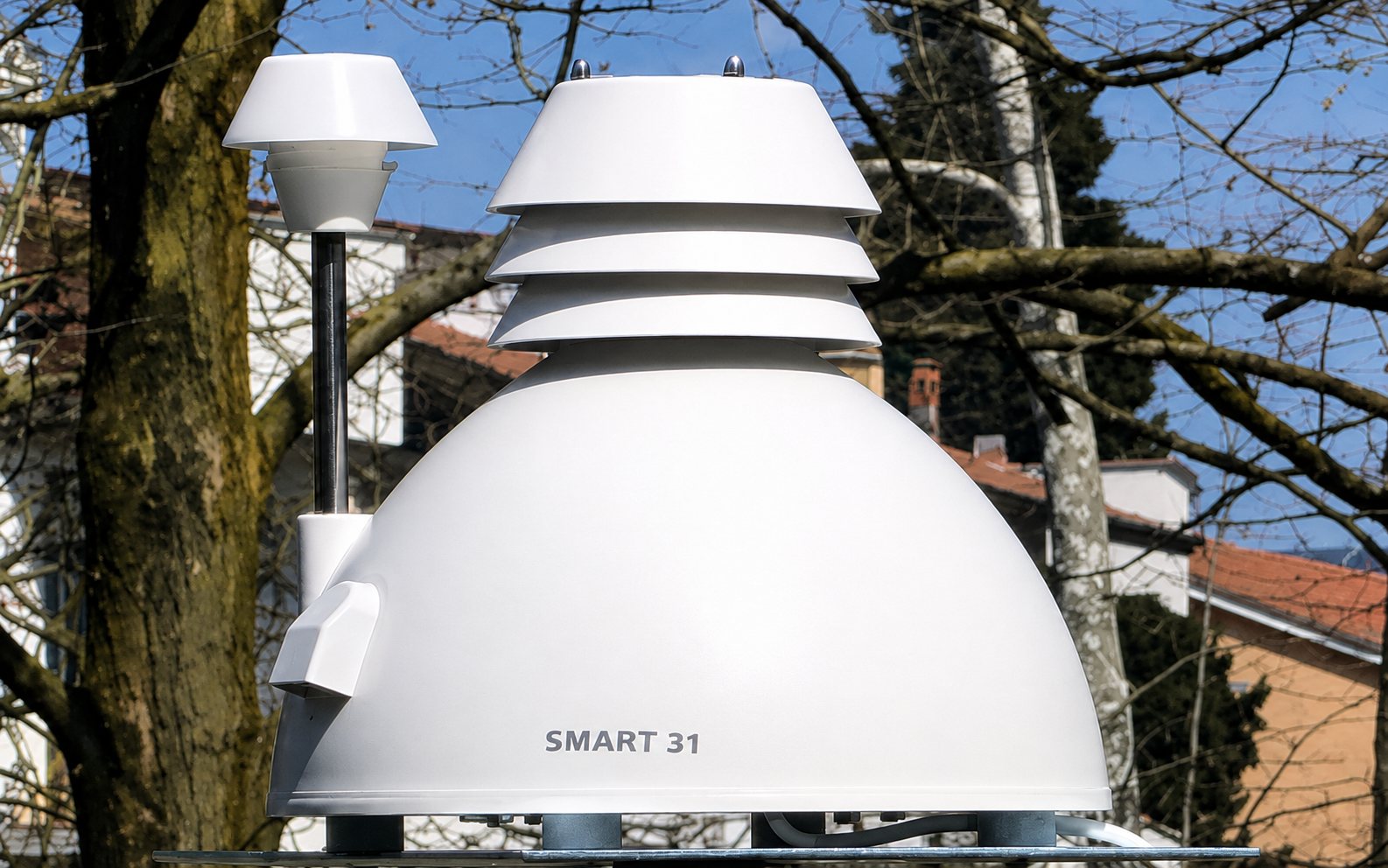
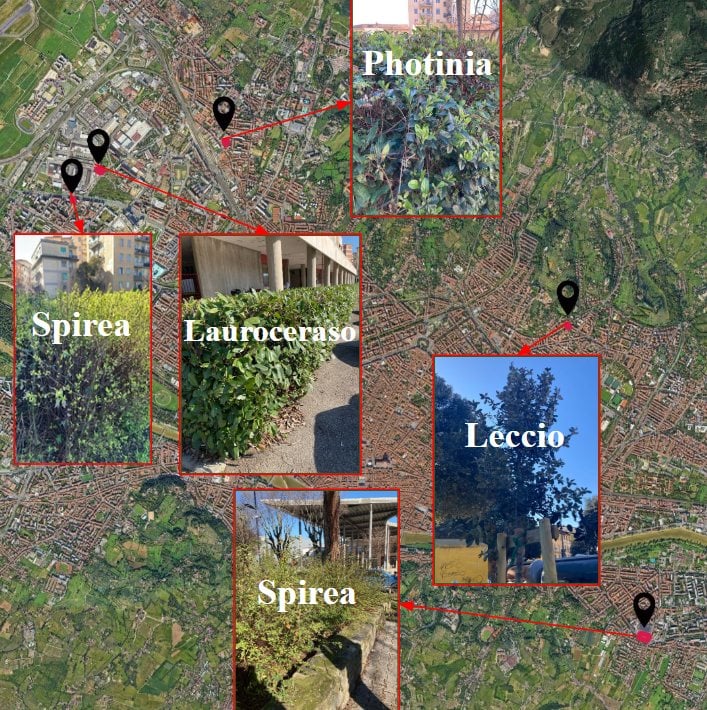
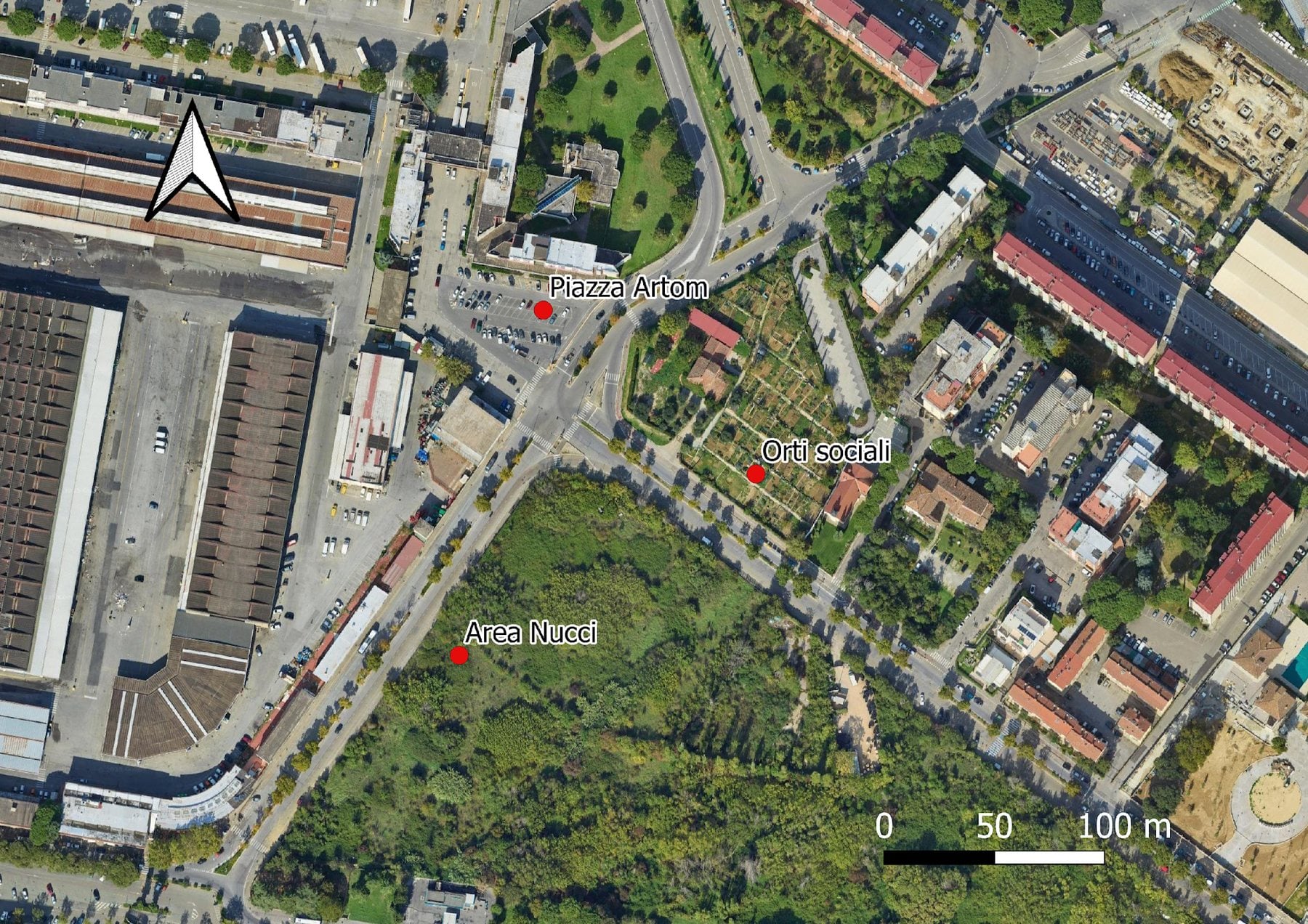
  • Experimental field verification through measurements of in the 10 pilot areas and an open-air laboratory, with ex-ante and ex-post assessments to determine the real effectiveness of the interventions
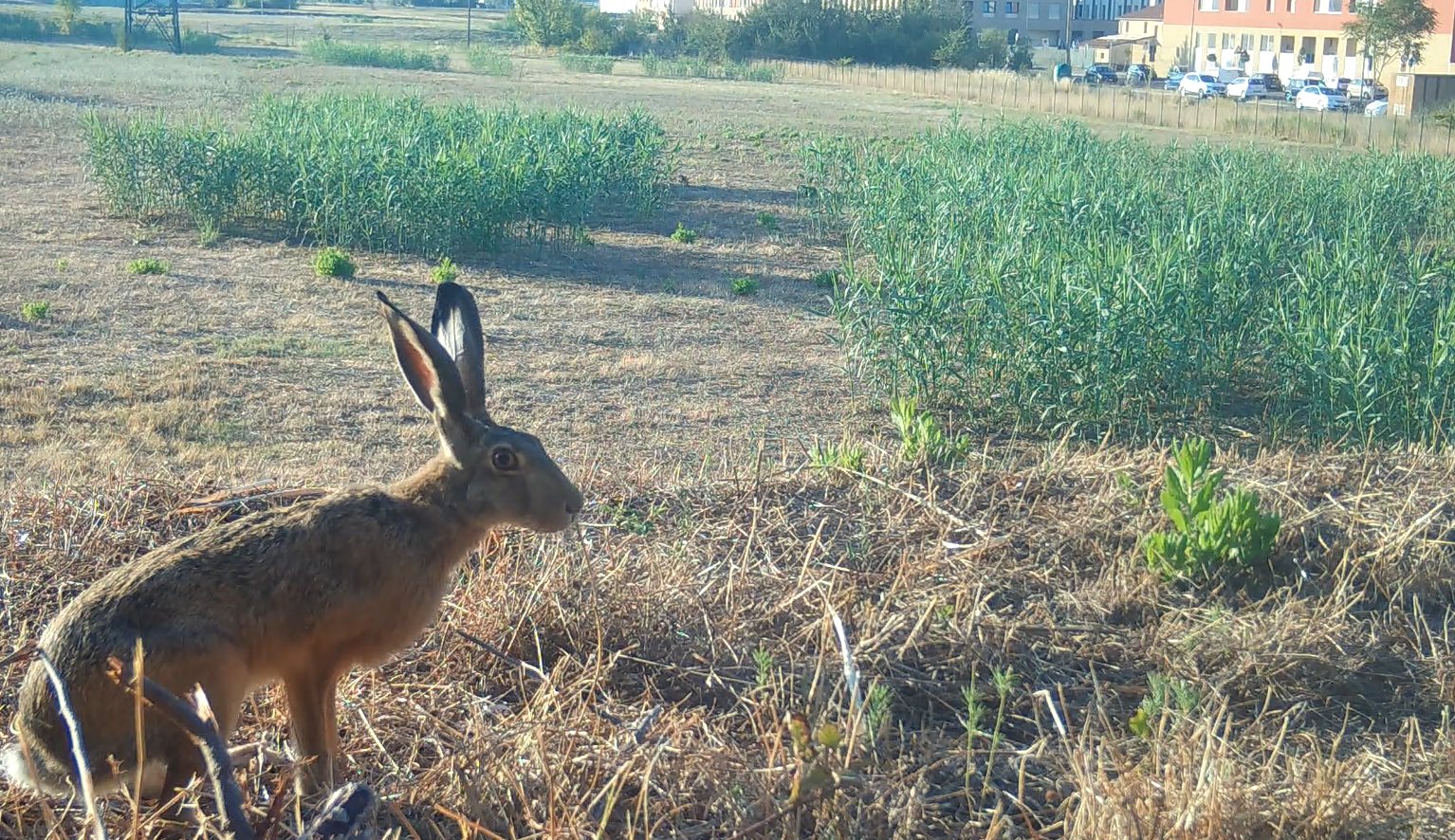
  • A focus on urban biodiversity, including the practical application of related indicators in the field
  • Twinning with a large nearby natural area, managed with increasingly stringent protection measures
Untitled-2-1
Without-bhktitle-2
Florence_3

Project data

cal

DURATION

2023-2027: Study, implementation and scientific monitoring
2028-2032: Scientific monitoring

invest

OUR INVESTMENT

€ 3,000,000.00 (2023-2027)
€ 1,500,000.00 (2028-2032)