Area of Intervention
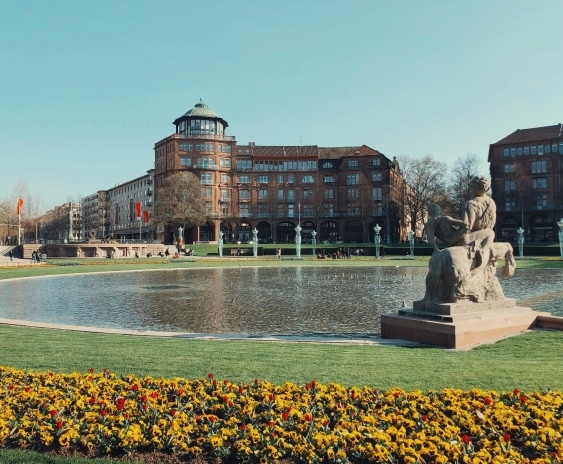
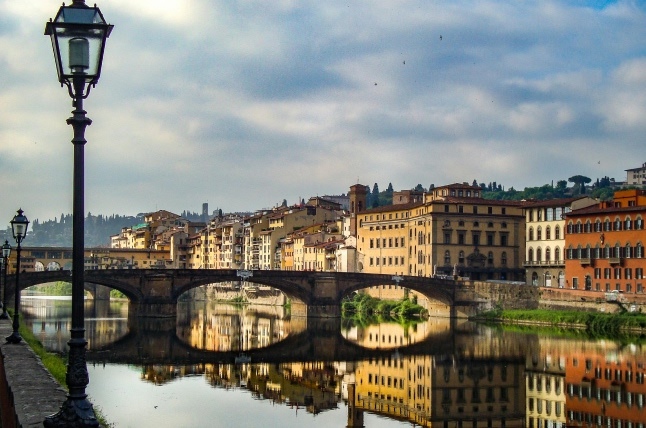
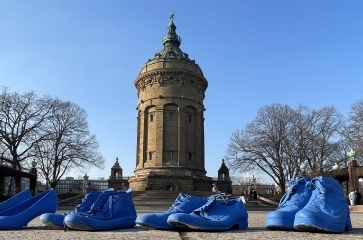
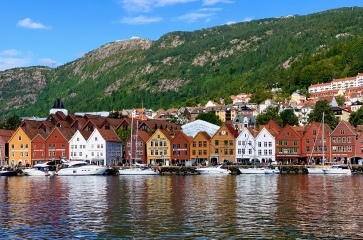
The project engages three model European regions, each with distinct urban characteristics and challenges:
|
|

EduNate Cities promotes simple and replicable solutions to rewild cities, combining ecological restoration, environmental education, and social inclusion to address the challenges of climate change.
Objective
EduNate Cities was created to explore and share solutions for the rewilding of urban and peri-urban areas, integrating these initiatives with educational programs aimed at civil society. Cities are both drivers and victims of climate change: high temperatures, intensified by concrete and asphalt, make sustainable urban planning increasingly urgent.
The project seeks to address these challenges by asking: is it really necessary to rely on complex and costly interventions, or do replicable, accessible, and resilient models already exist? Building on well-established approaches such as urban gardens and the Tiny Forest method, EduNate Cities promotes a holistic strategy that combines environmental education, social inclusion, and ecological regeneration.
The project engages three model European regions, each with distinct urban characteristics and challenges:
|
|

Project
EduNate Cities is a European exchange project that aims to:
Promote environmental awareness and green skills through education
Identify and test urban rewilding solutions adaptable to different local contexts
Create resilient infrastructures to face the impacts of climate change
The main activities include:
Mapping and experimenting with educational and environmental formats across three model regions
Scientific, political, and pedagogical evaluation of results
Direct involvement of citizens and local institutions
The project is supported by:
Starkmacher e.V. (training and inclusion) – consortium lead
Fondazione Capellino (scientific research)
Vestland County Governor’s Office (political guidance)
EduNate Cities represents a European laboratory for sustainable urban innovation, capable of generating scalable and replicable solutions. Its strength lies in the integration of ecology, education, and participation, providing a tangible contribution to the resilience of European cities.
2025 - 2026
FINANCED BY EUROPEAN TENDER