





Elephant Corridor in Tanzania

Objective

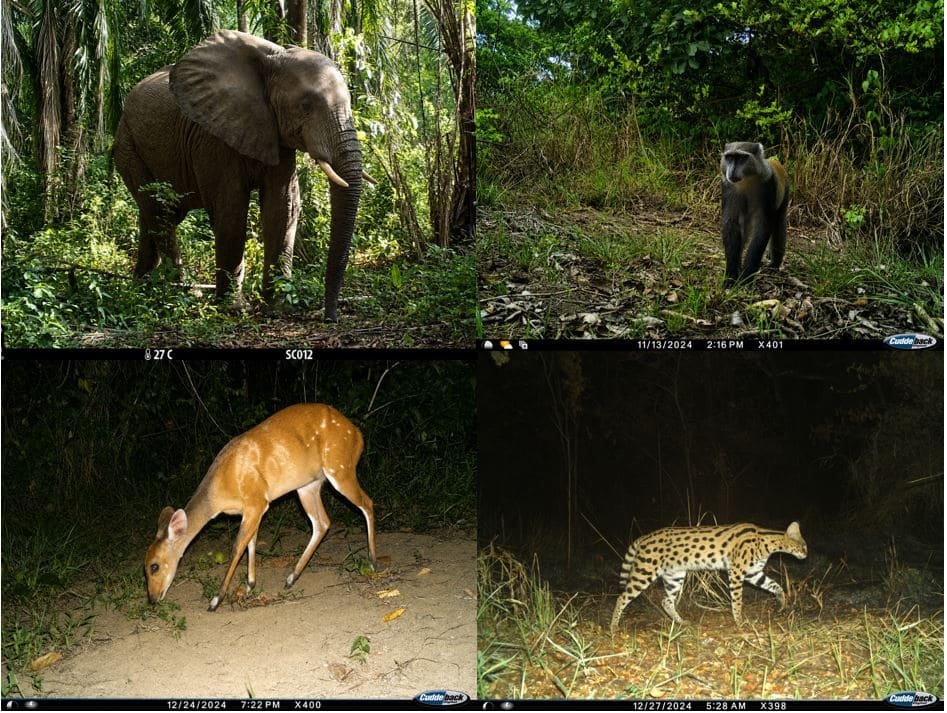
The Kilombero Elephant Corridor (KEC) seeks to restore ecological connectivity disrupted by human pressures and intensive agriculture, while reducing human–elephant conflict and safeguarding biodiversity. The corridor is designed to maintain connectivity for 40% of East Africa’s elephants, enhance community safety and livelihoods, and provide a replicable model of coexistence across Tanzania.

Area of intervention

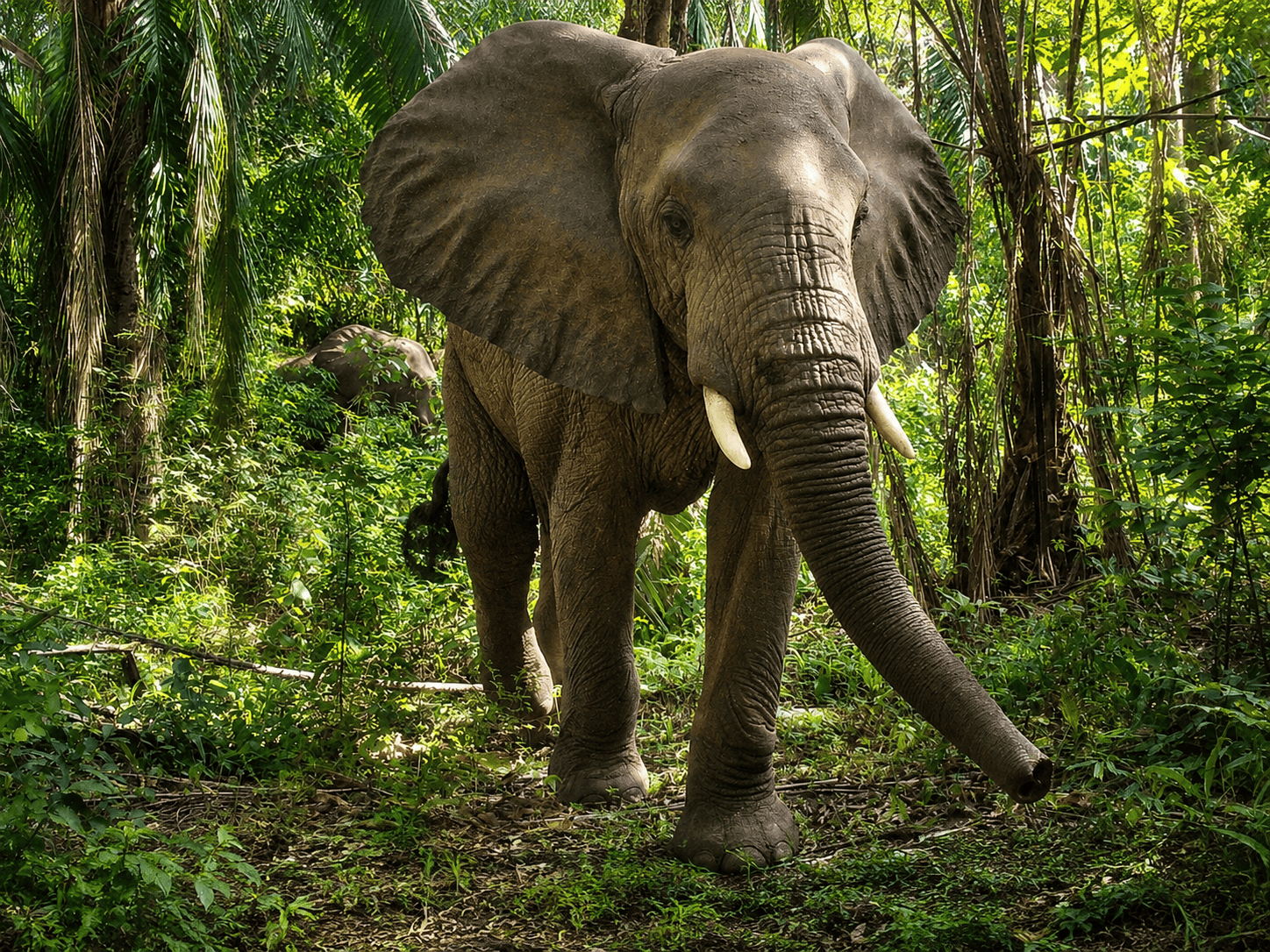
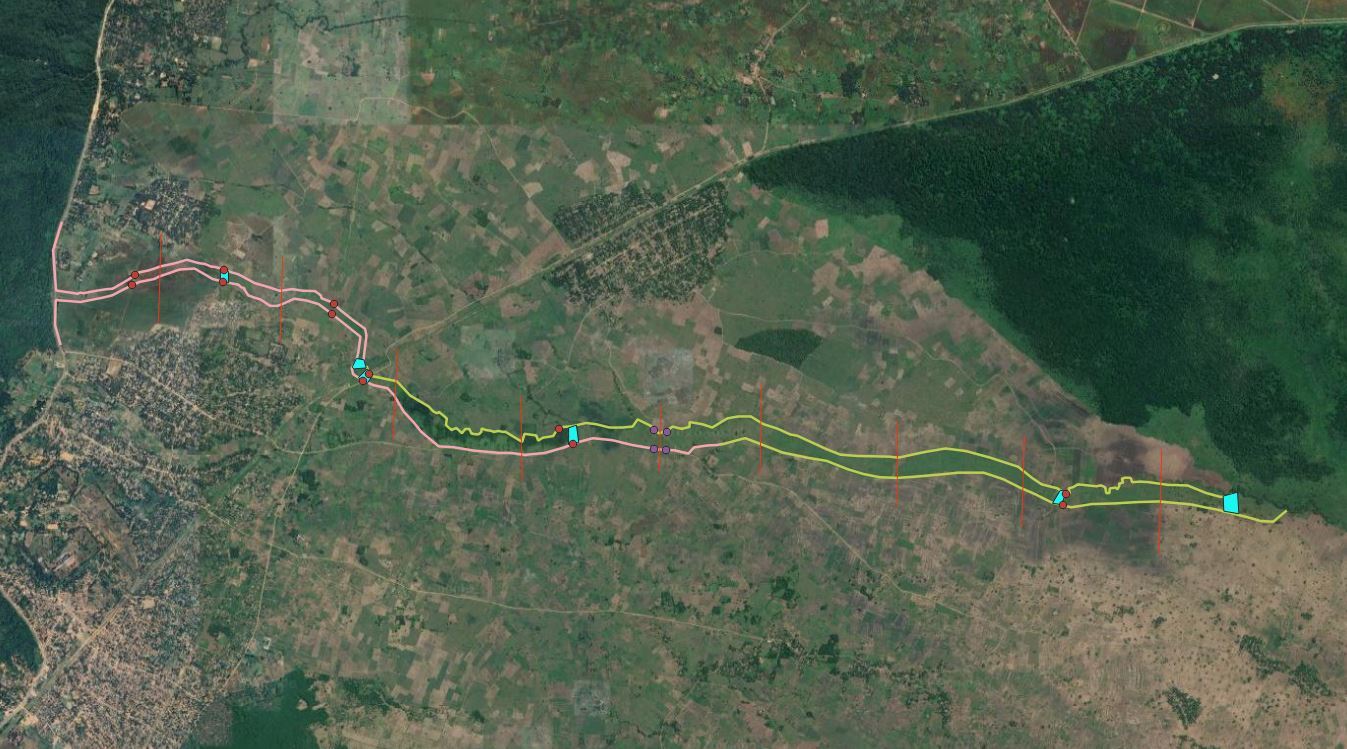
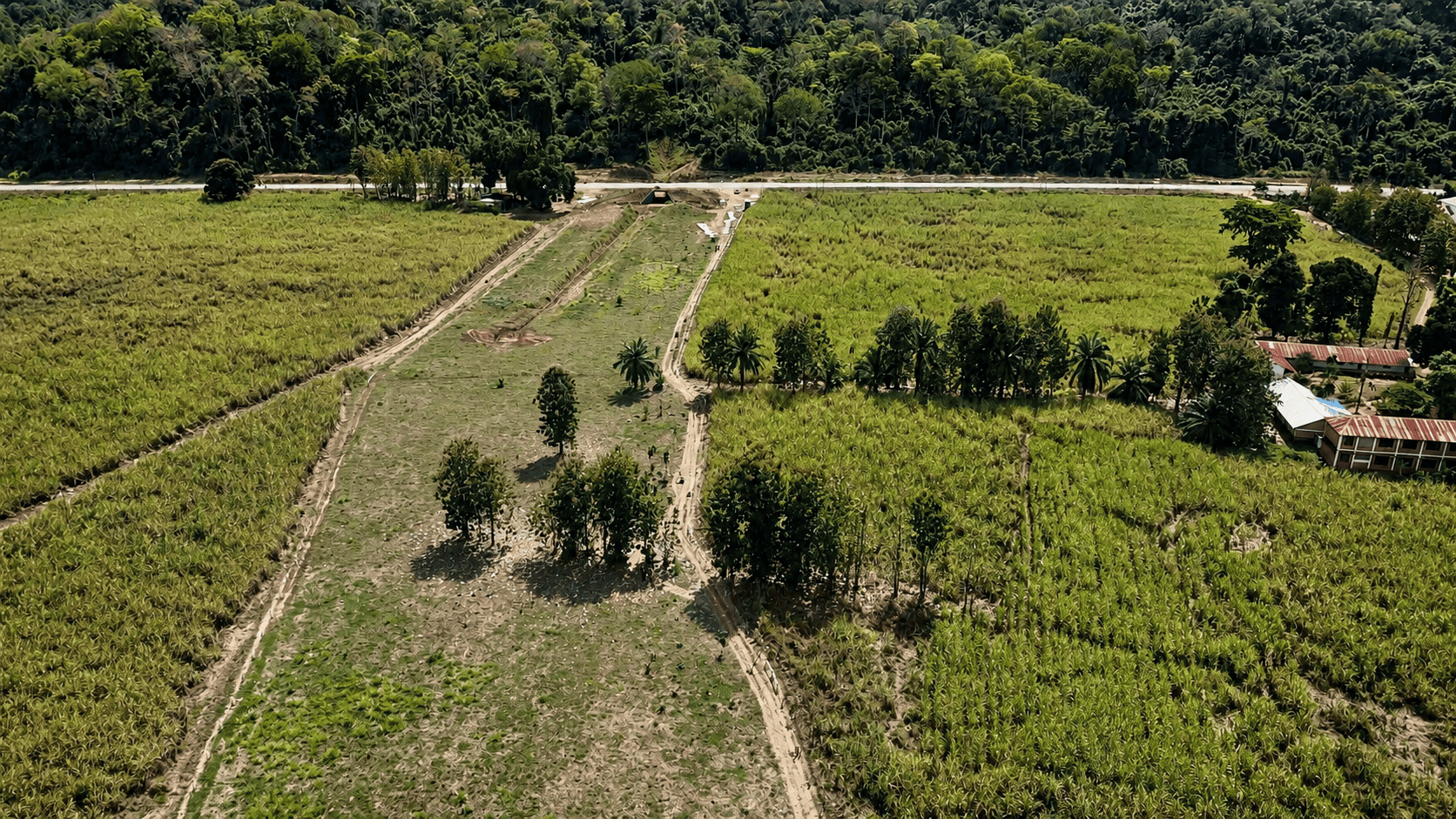
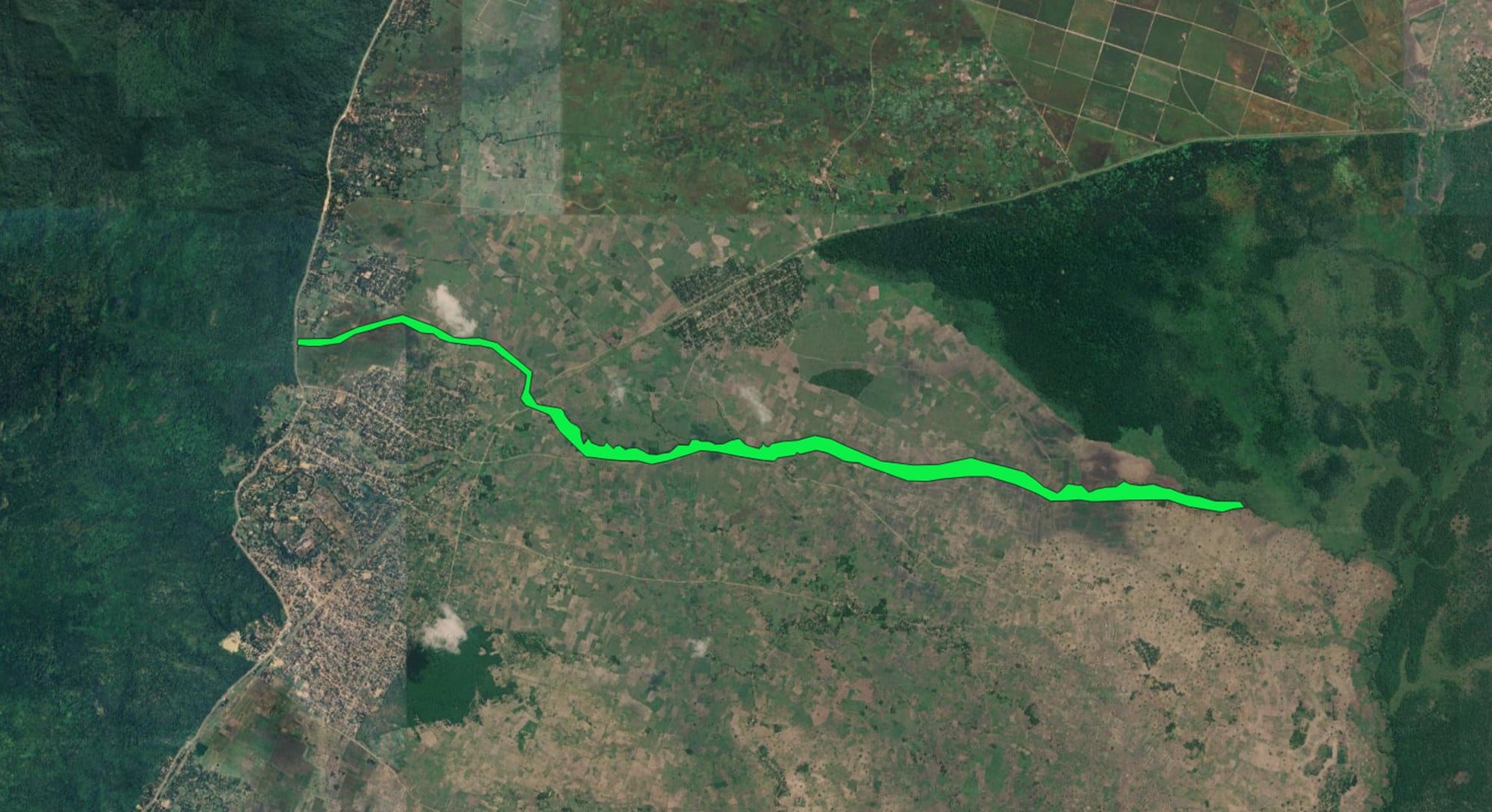
The Nyerere‑Udzungwa Wildlife Corridor (NUWC) connects Udzungwa Mountains National Park with Nyerere (Selous) National Park, passing through the Magombera Nature Forest Reserve. This ancient pathway, stretching approximately 13 km, allows both lowland and mountain elephants to move freely between protected areas.
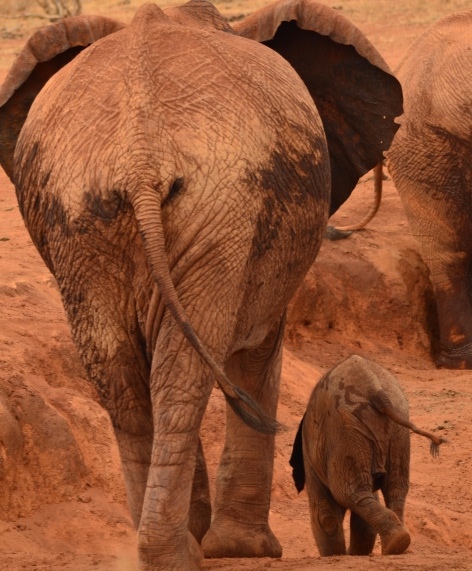
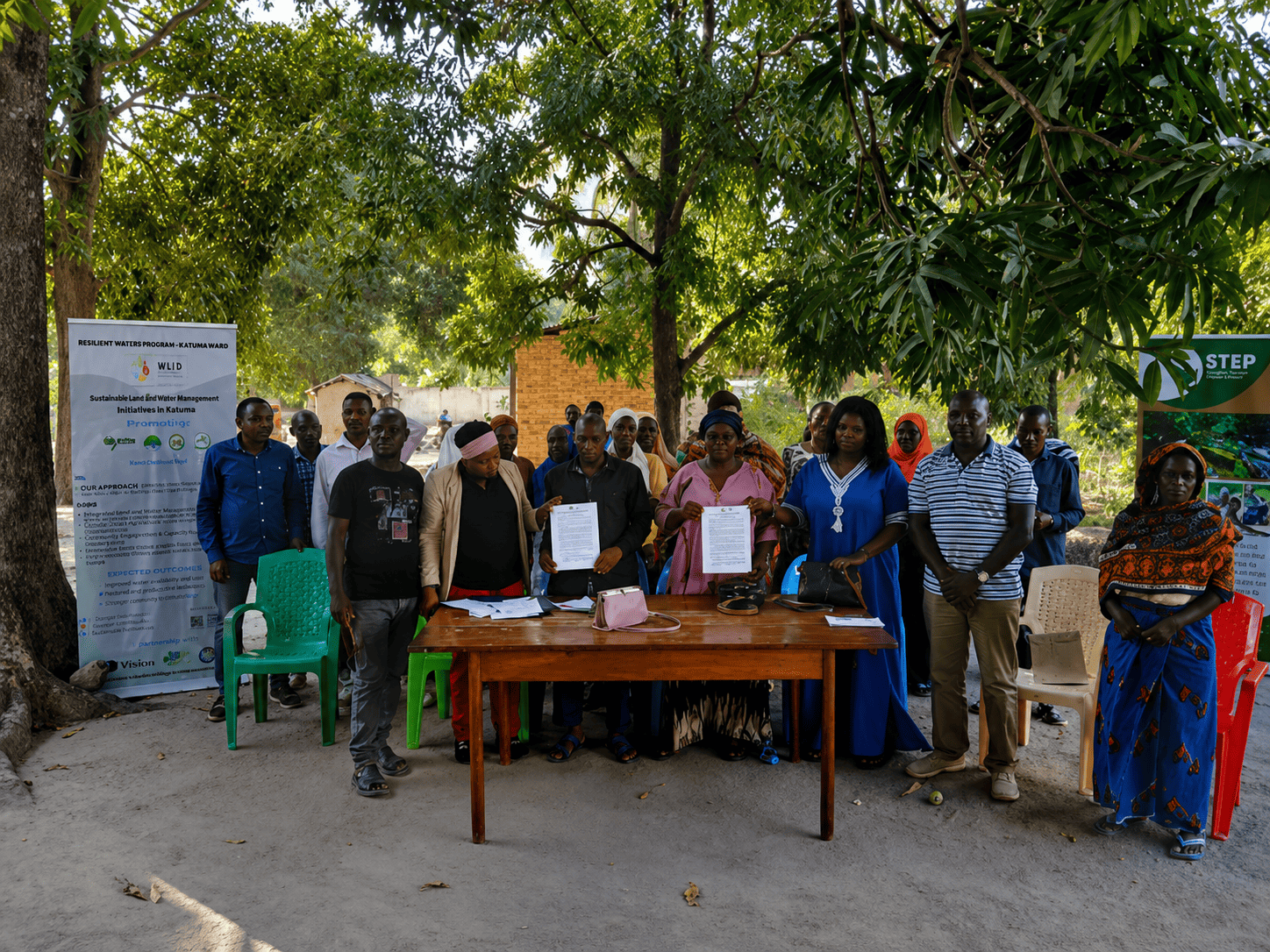
Since 2018, the Southern Tanzania Elephant Program (STEP) has collaborated with local communities, partners, and donors to restore the corridor. Three villages, Sole, Mang’ula A, and Kanyenja, have set aside around 7% of their land, with all plots fully compensated, making this collective vision a reality.

Project


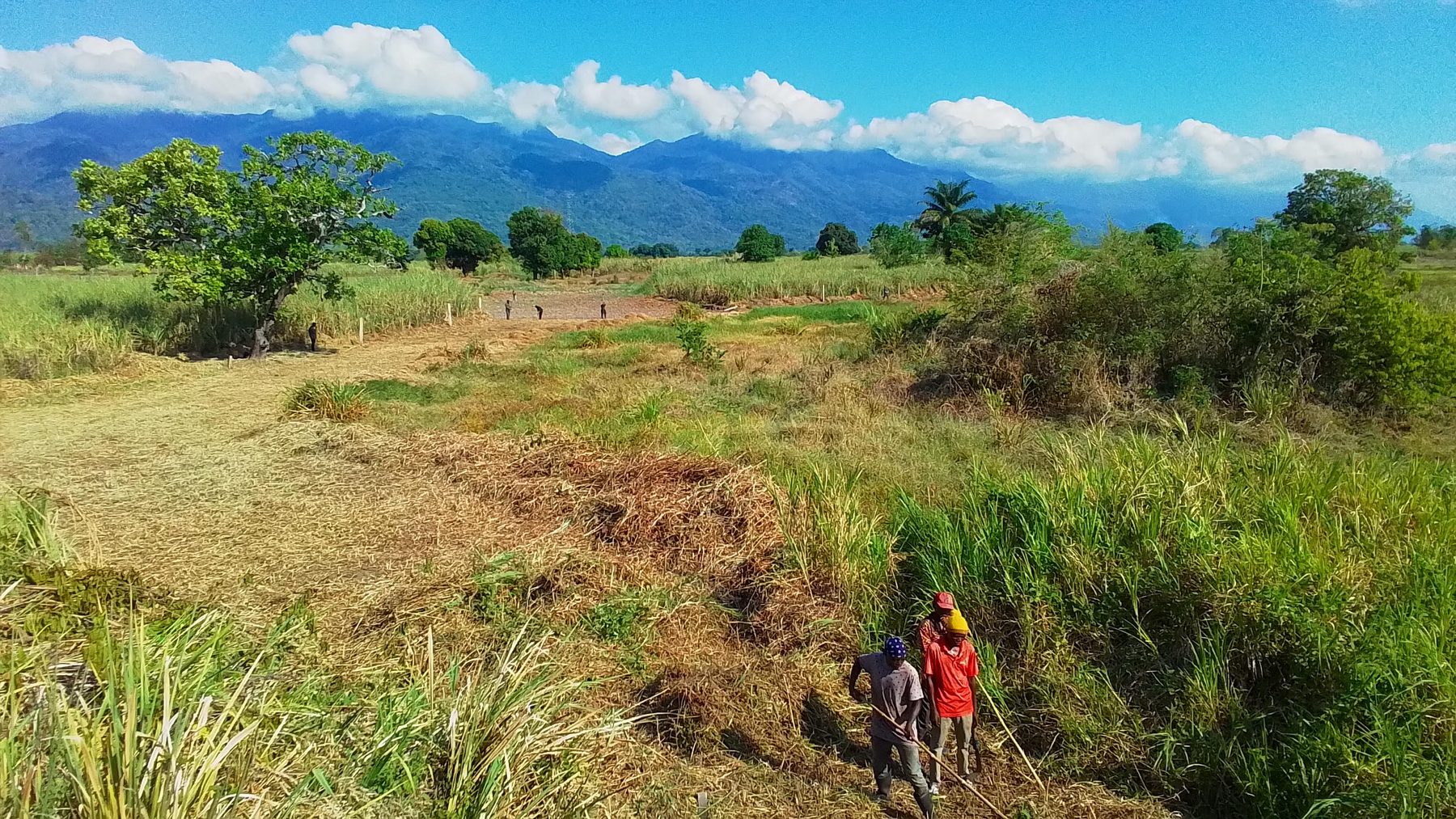
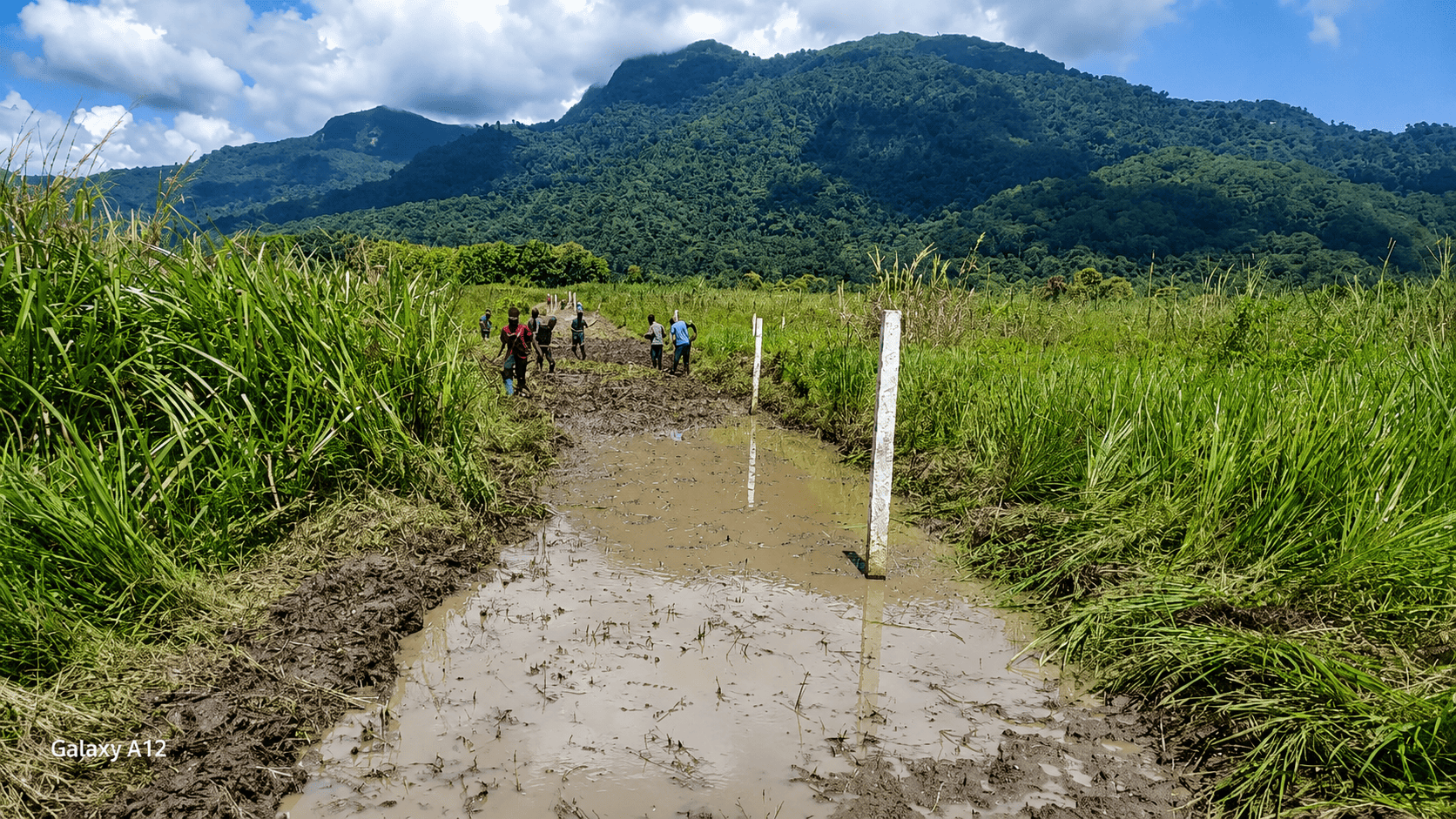
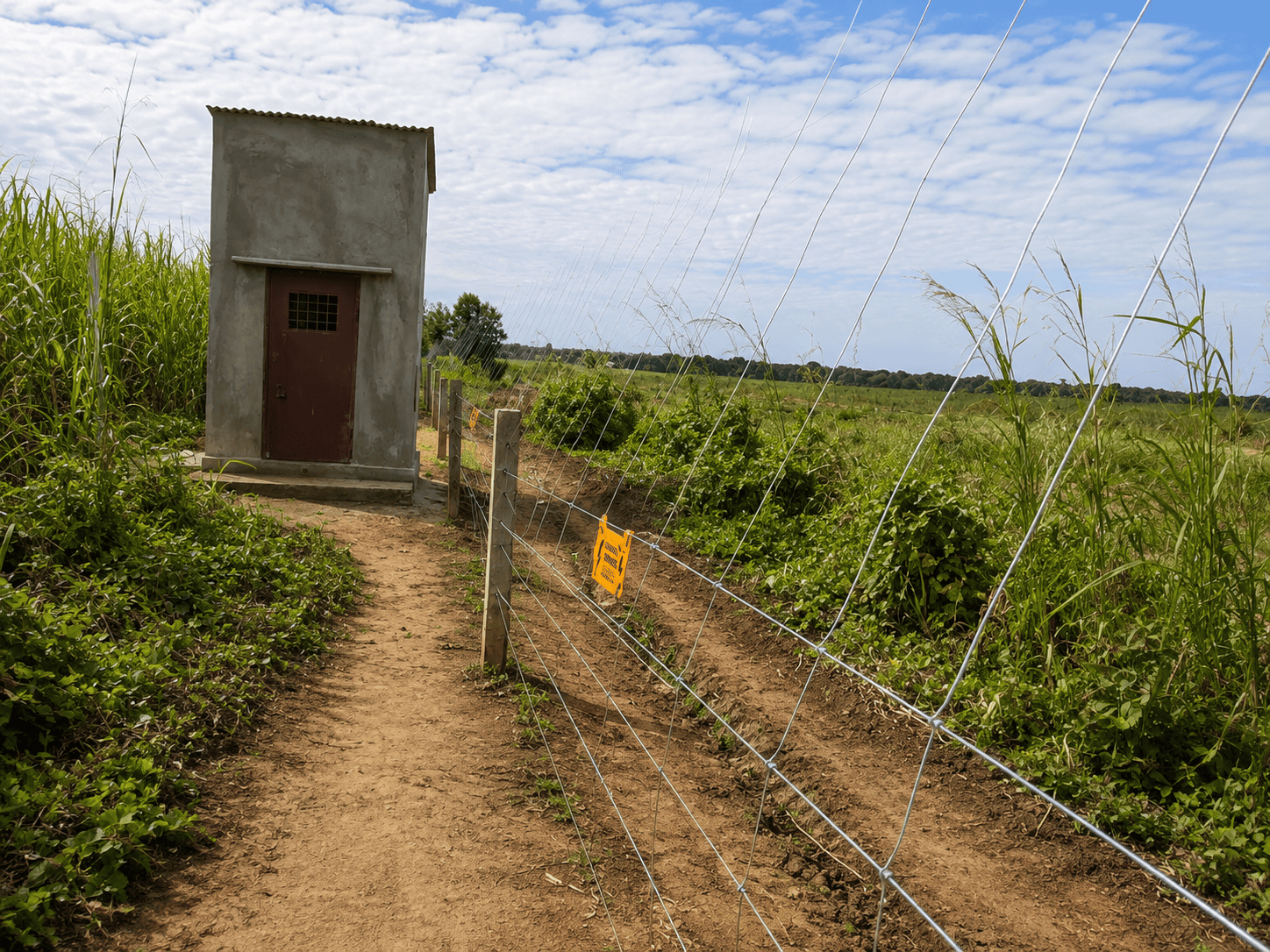
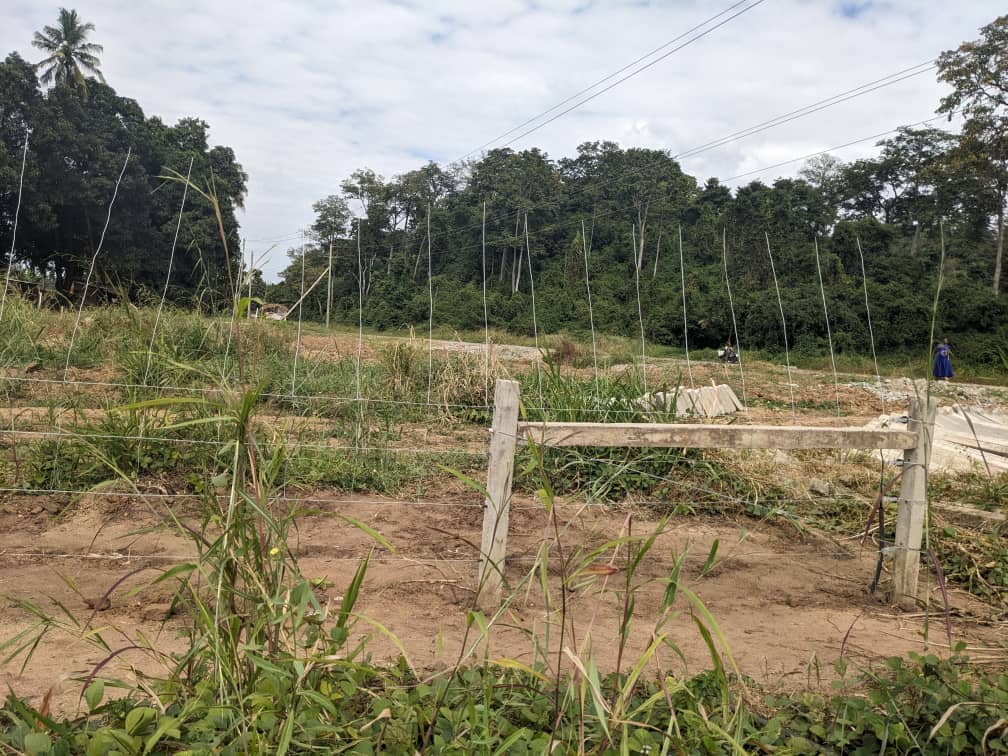
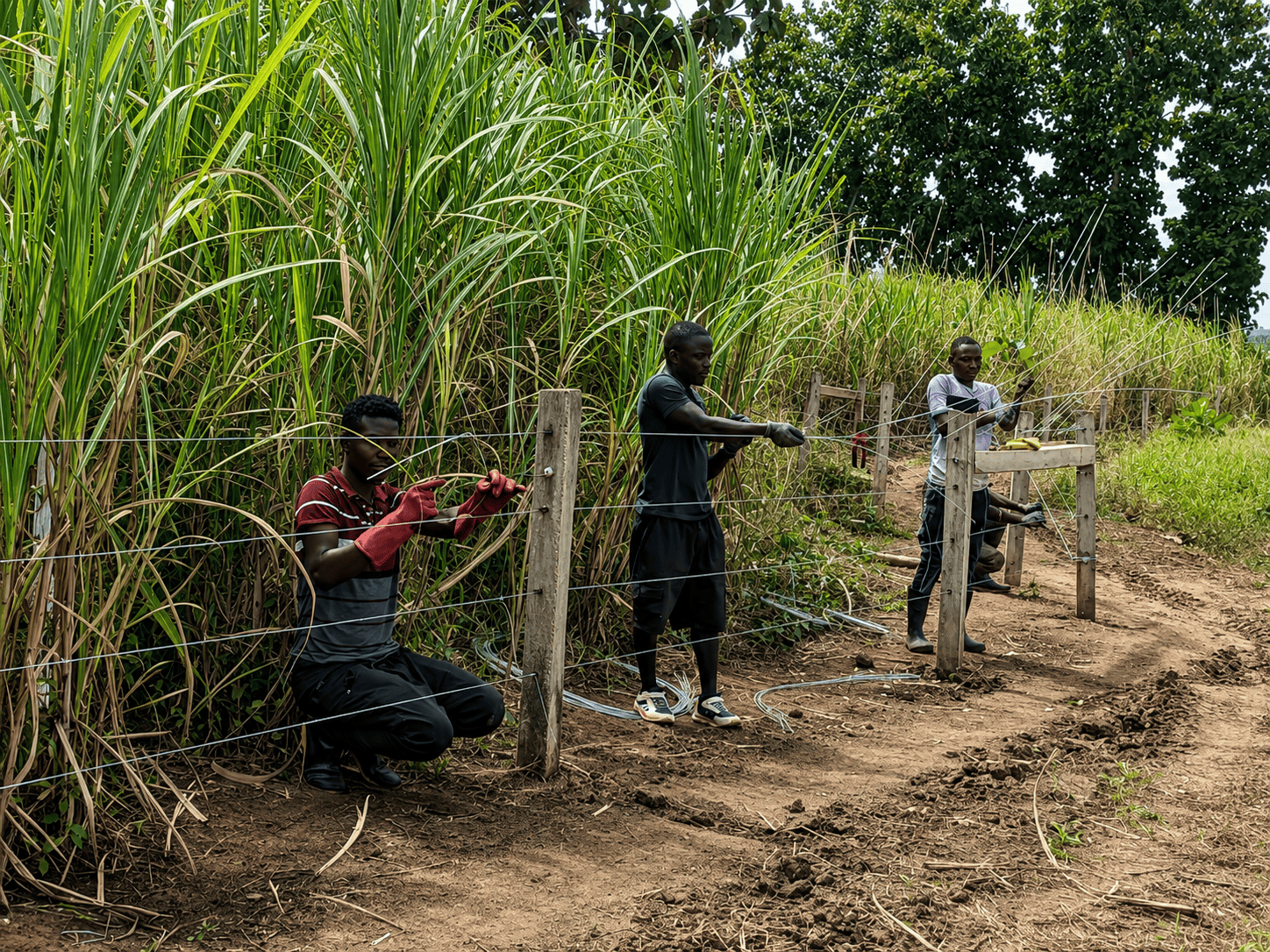
With the support of the Fondazione Capellino, the initiative is establishing a 13 km ecological corridor, recognised nationally as an area of major conservation importance. Secured as a protected landscape and backed by local communities, the corridor maintains the continuity of wildlife movement, particularly for elephants between Nyerere National Park and the Udzungwa Mountains National Park. At the heart of the project is Tanzania’s first large‑scale electric fencing system, introduced as a primary measure to mitigate human–elephant conflict, and ensure their protection.

Launched in 2024, the project has already delivered some significant results by 2025:

  • Elephant Use and Behaviour

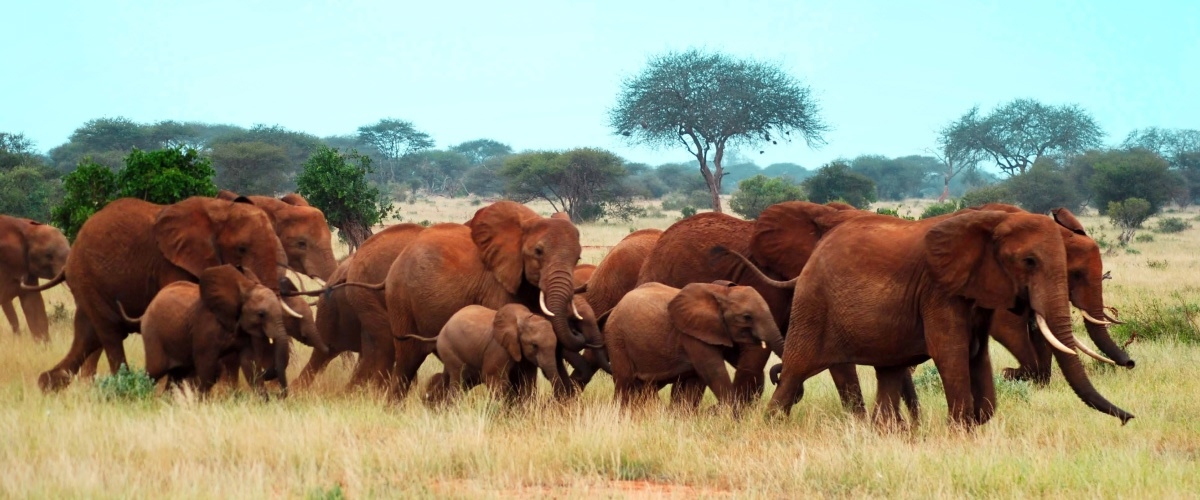
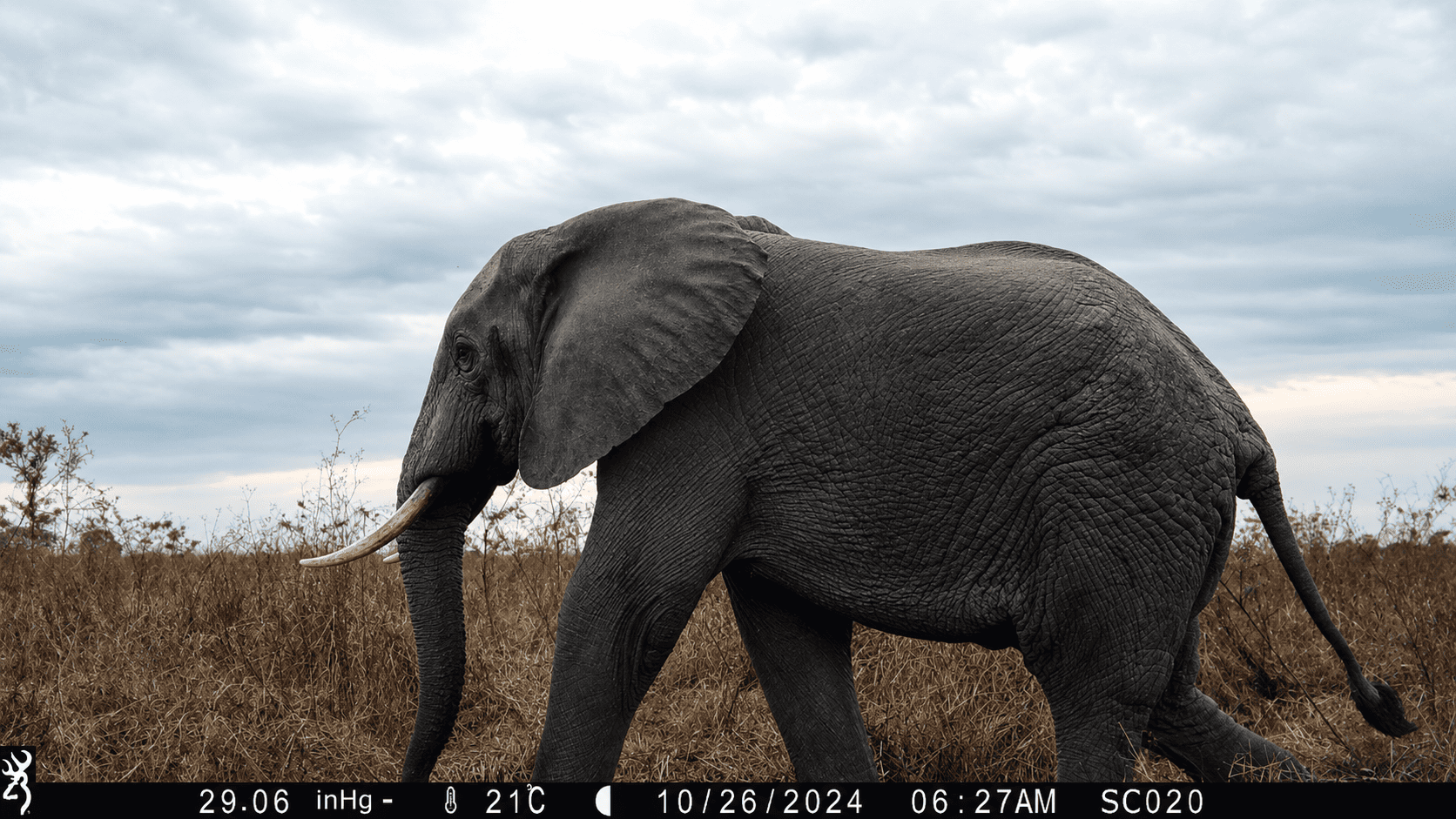
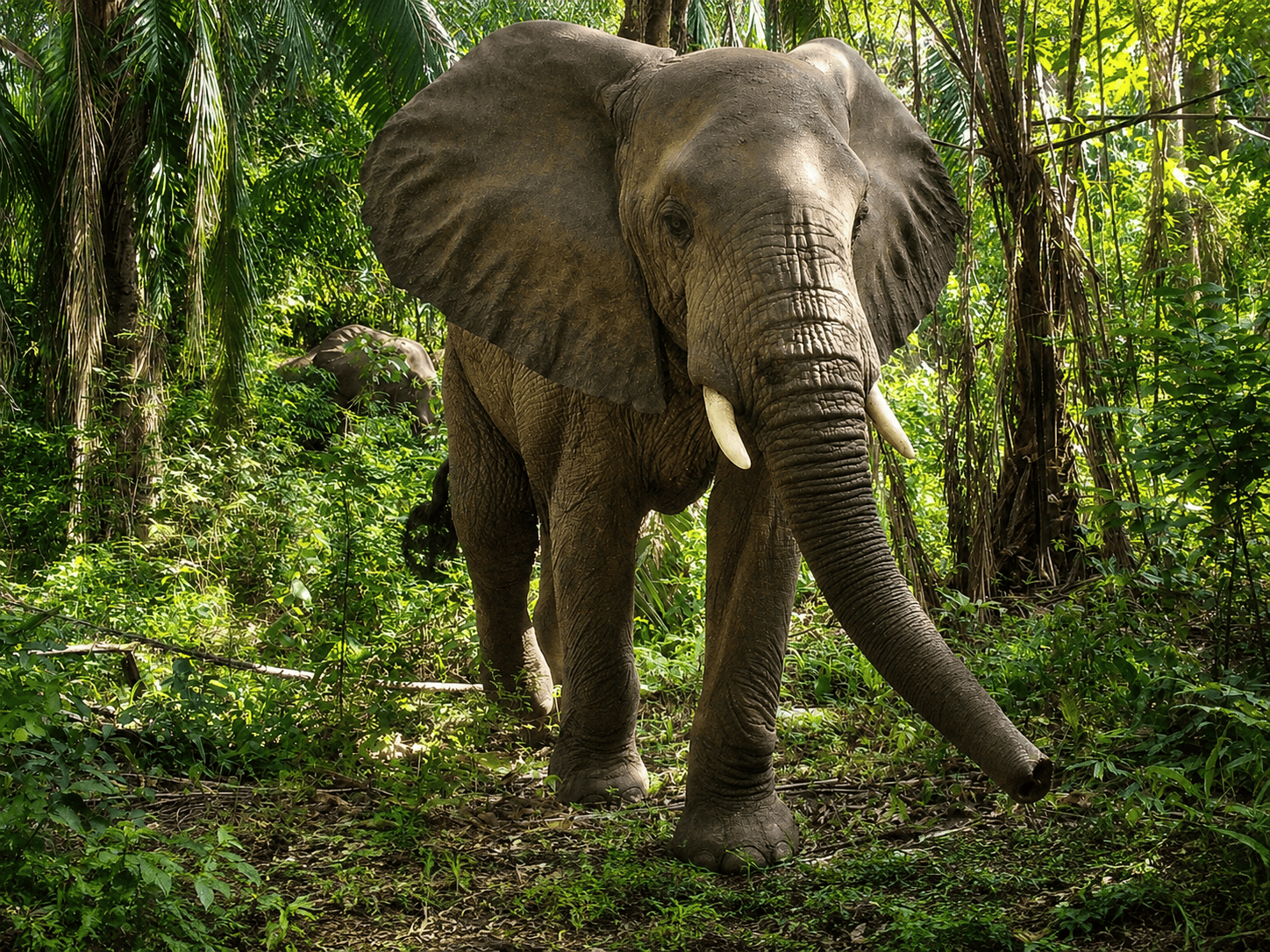
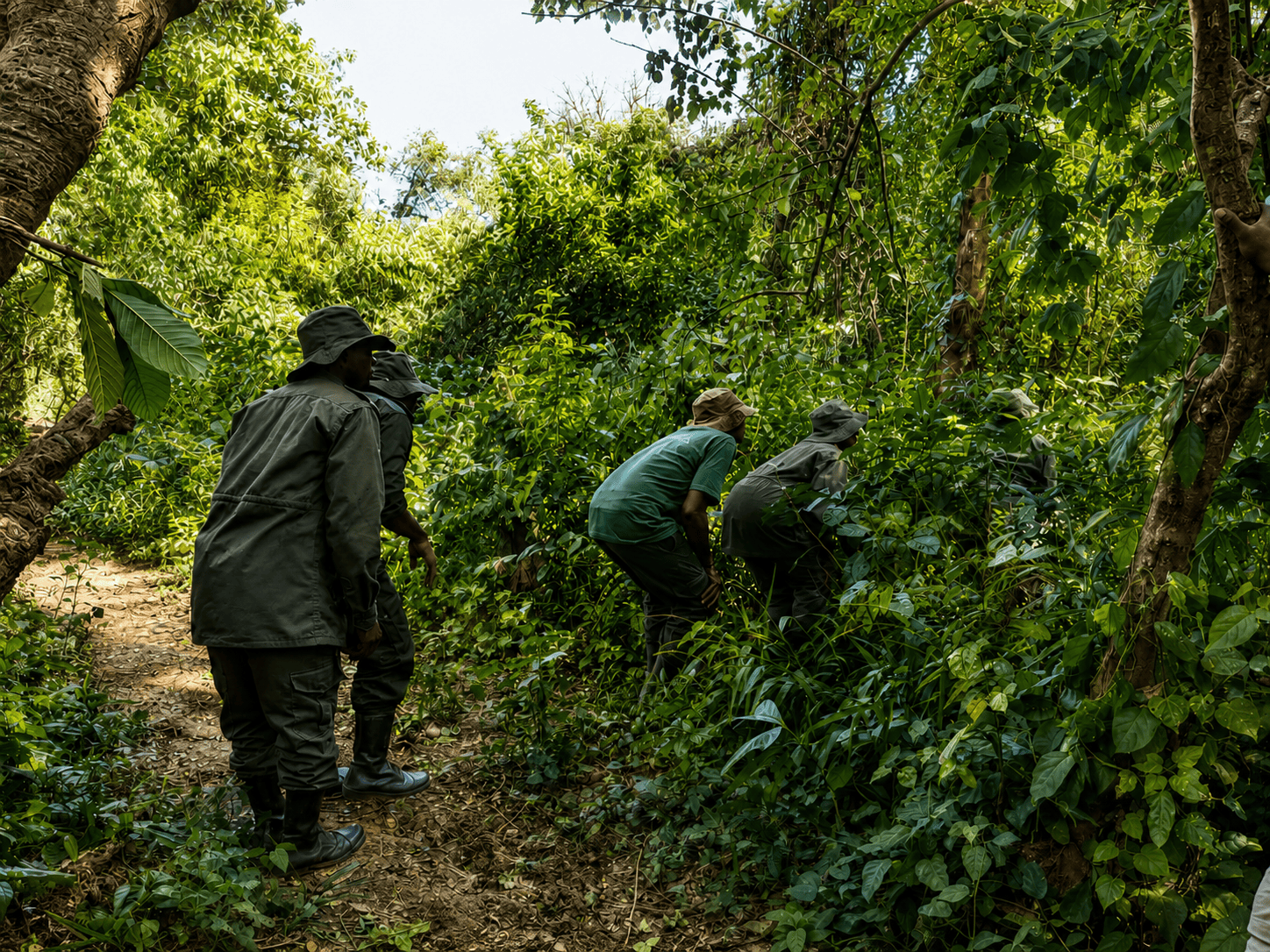
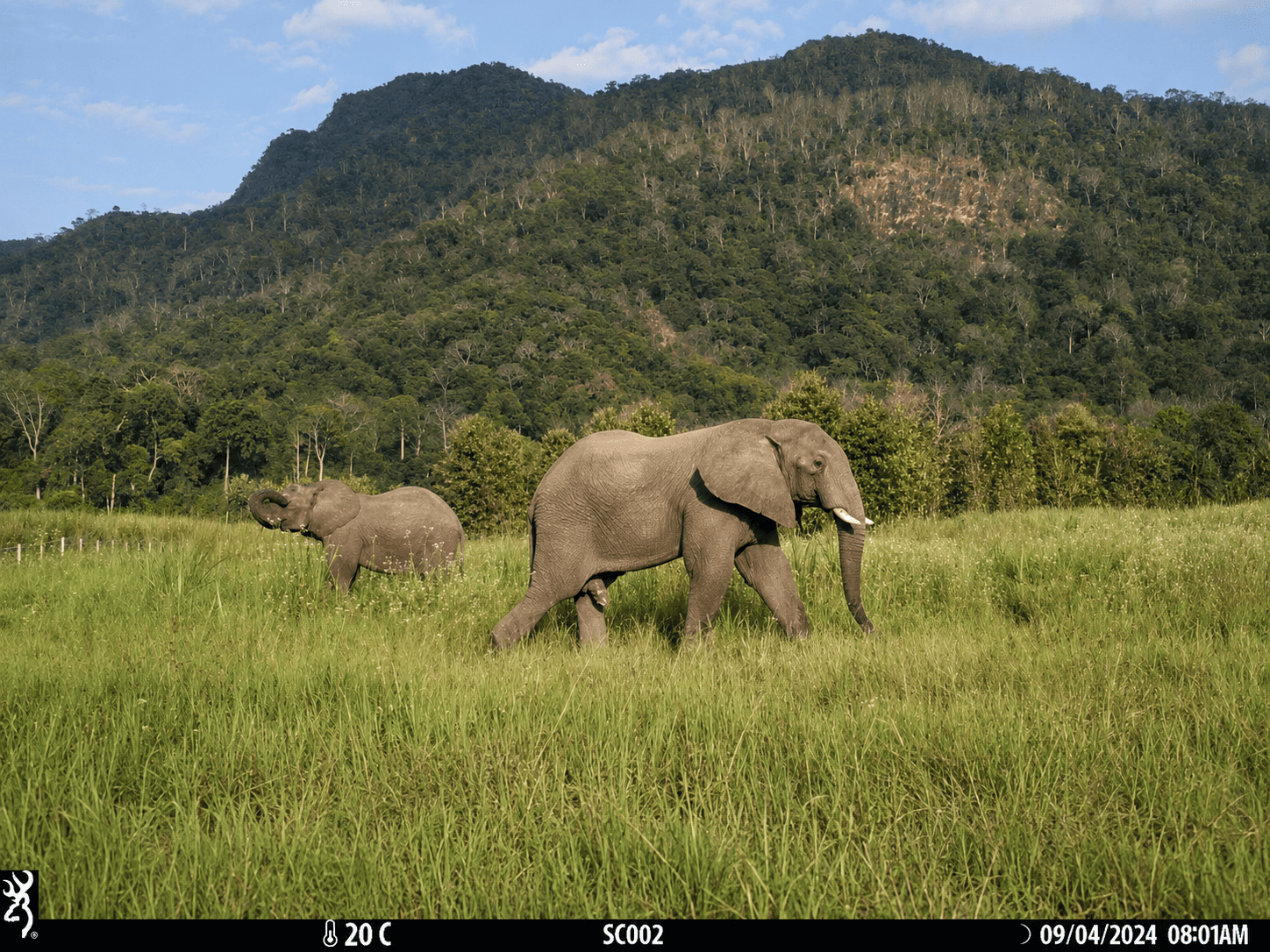
    Village Game Scouts report that elephants now remain within the corridor during daylight hours, gathering in shaded areas and along streams. The fence has successfully guided them back to their intended habitat without confining their natural movements.

  • National Recognition

    The success at Magombera has influenced government policy. The Minister for Natural Resources and Tourism publicly referenced the project, signalling the intention to replicate this model in other corridors where conflict hinders connectivity. This marks a shift in national perception, inspiring a rethink of how coexistence can be achieved in practice. The project was highlighted in the Ministry’s 2025-2026 budget speech and featured on the the Minister’s Instagram account.

  • Community Safety and Livelihoods

    In Upogoroni sub‑village, elephants previously crossed farmland in broad daylight, forcing residents to abandon their fields by late afternoon to avoid conflict. Since the installation of the fence, villagers can now work safely throughout the day, while elephant movements have returned to their natural corridor. This transformation is restoring both biodiversity and a sense of security and dignity that awareness campaigns alone could never achieve.

  • Social Perception

    Coexistence is increasingly seen as a daily reality. The project has fostered tolerance, strengthened trust in conservation authorities, and encouraged active community support for elephant protection.

Updates

On 4th April 2025, the Kilombero Elephant Corridor was formally recognised in the Official Gazette as Tanzania’s first designated wildlife corridor under the Wildlife Conservation Act, 2009 (No. 5 of 2009) and its 2018 Regulations on Wildlife Corridors, Dispersal Areas, Buffer Zones, and Migratory Routes. This legal status secures the corridor as a protected landscape, ensuring long‑term connectivity between Nyerere and Udzungwa National Parks.

The implications are far‑reaching:

  • Expansion of corridor committees to include village and national representatives.

  • Improved livelihoods through sustainable land‑use and conservation‑linked benefits.

  • Reduced human–elephant conflict through regulated management, habitat restoration, and revegetation.

  • Strengthened case for ecological monitoring.

  • Contribution to national and regional biodiversity and climate resilience targets.

As of today, 7 km of the planned 13 km fence have been completed, consolidating security and laying the foundation for full corridor functionality. Gazettement represents a significant milestone, formalising and safeguarding the ecological and social value of the Kilombero Ecological Corridor for generations to come, while delivering tangible benefits for local communities.

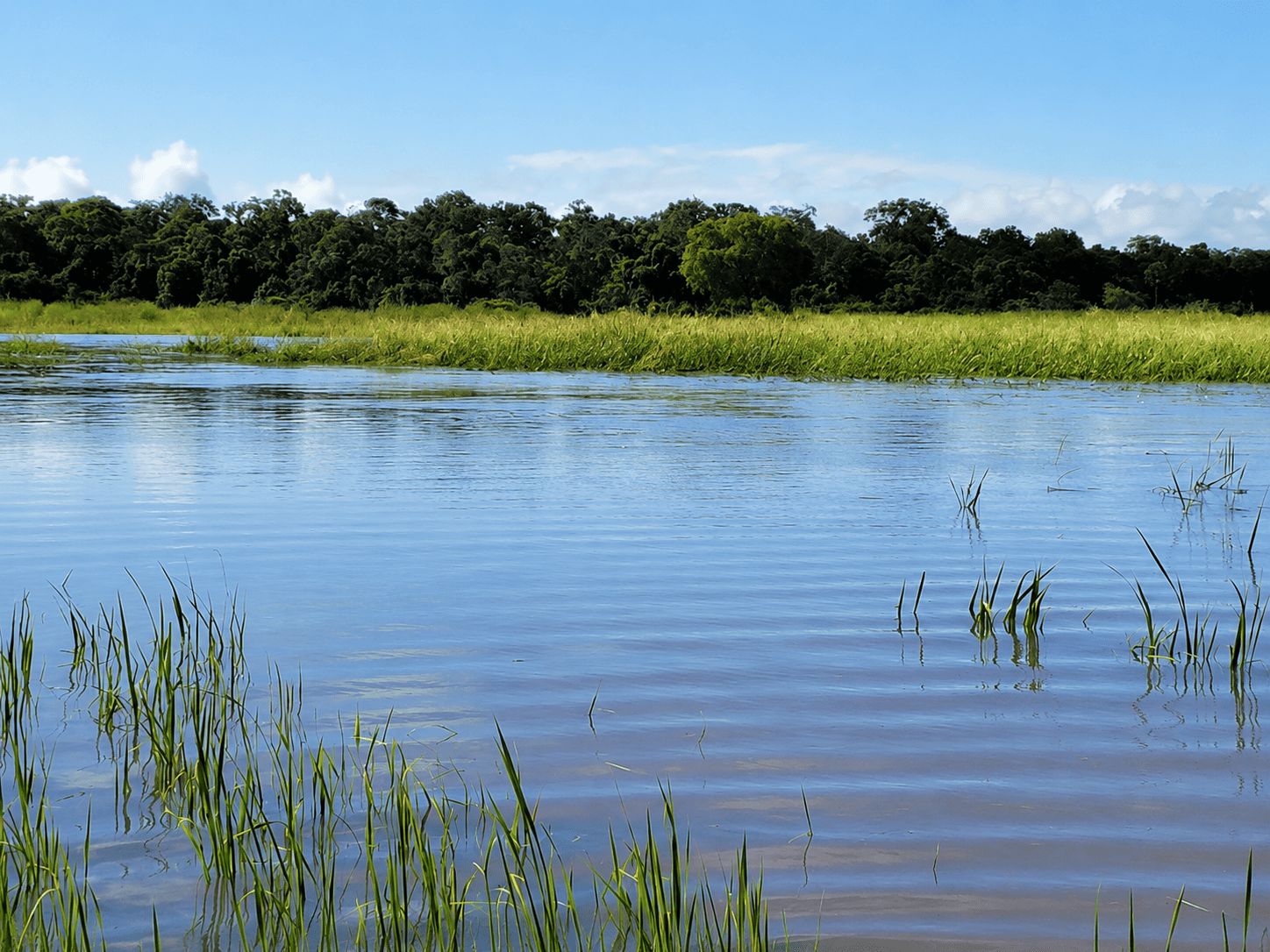
The next phase will focus on securing existing infrastructure, enhancing operational effectiveness, and addressing major challenges in the far eastern floodplain, where climate change has intensified flooding  in order to manage this critical area and ensure long‑term resilience for both wildlife and communities.

DSC_4363
ele_img_2
2015_01_23,24,25_TsavoAmboseli_174

Project Data


cal

DURATION

2024/2026

invest

OUR INVESTMENT

215.000,00