



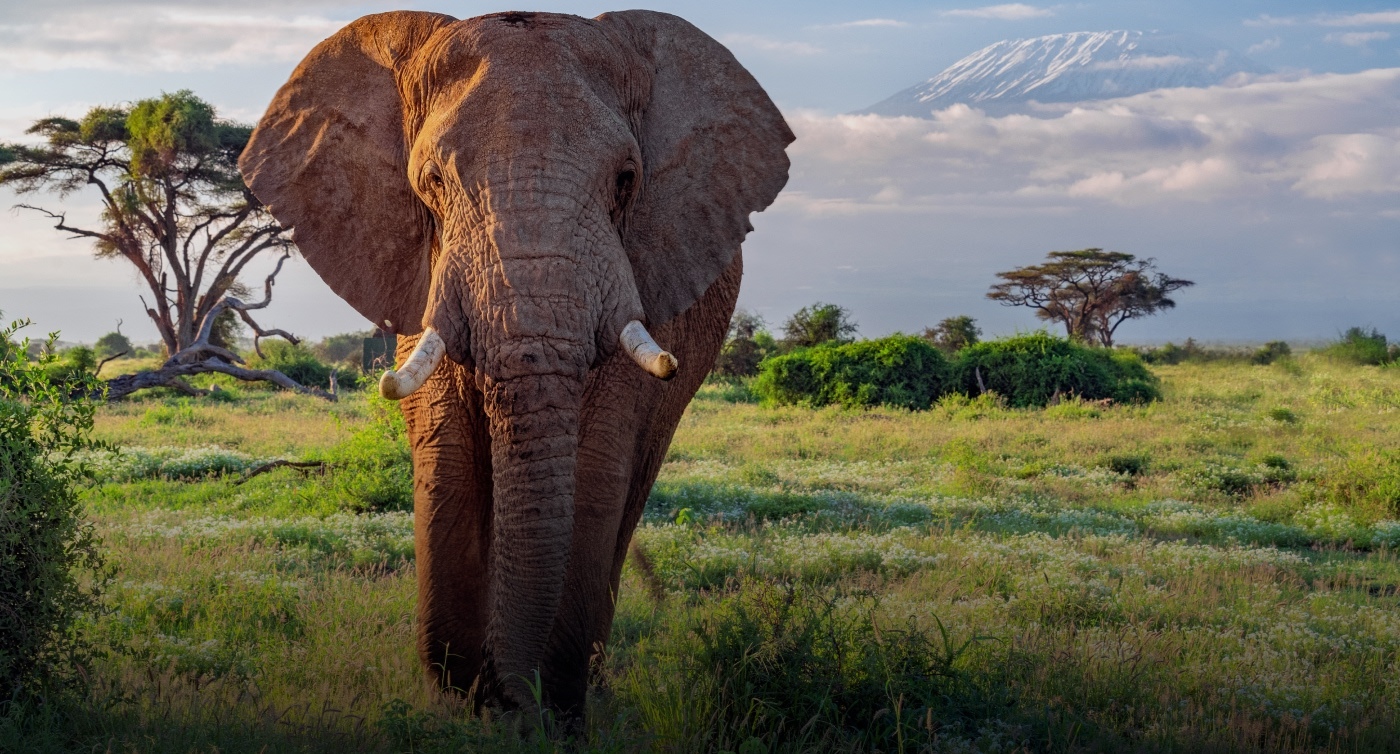
Elephant Corridor in Tanzania-Hero

Elephant Corridor
in Tanzania

The Kilombero Elephant Corridor (KEC) is a project aimed at restoring ecological connectivity between fragmented habitats, reducing conflicts between local communities and elephants.

Partnership

Objective

The Kilombero Elephant Corridor (KEC) seeks to restore ecological connectivity disrupted by human pressures and intensive agriculture, while reducing human–elephant conflict and safeguarding biodiversity. The corridor is designed to maintain connectivity for 40% of East Africa’s elephants, enhance community safety and livelihoods, and provide a replicable model of coexistence across Tanzania.

Project

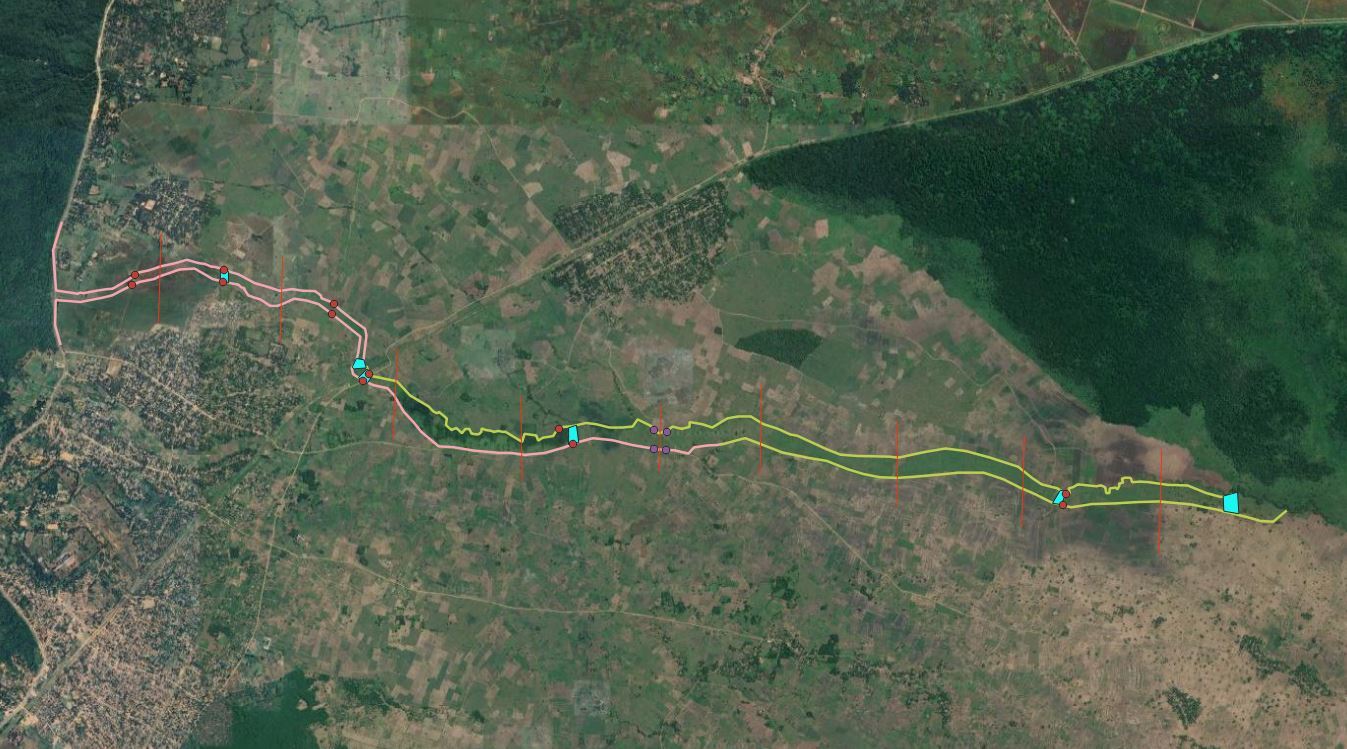
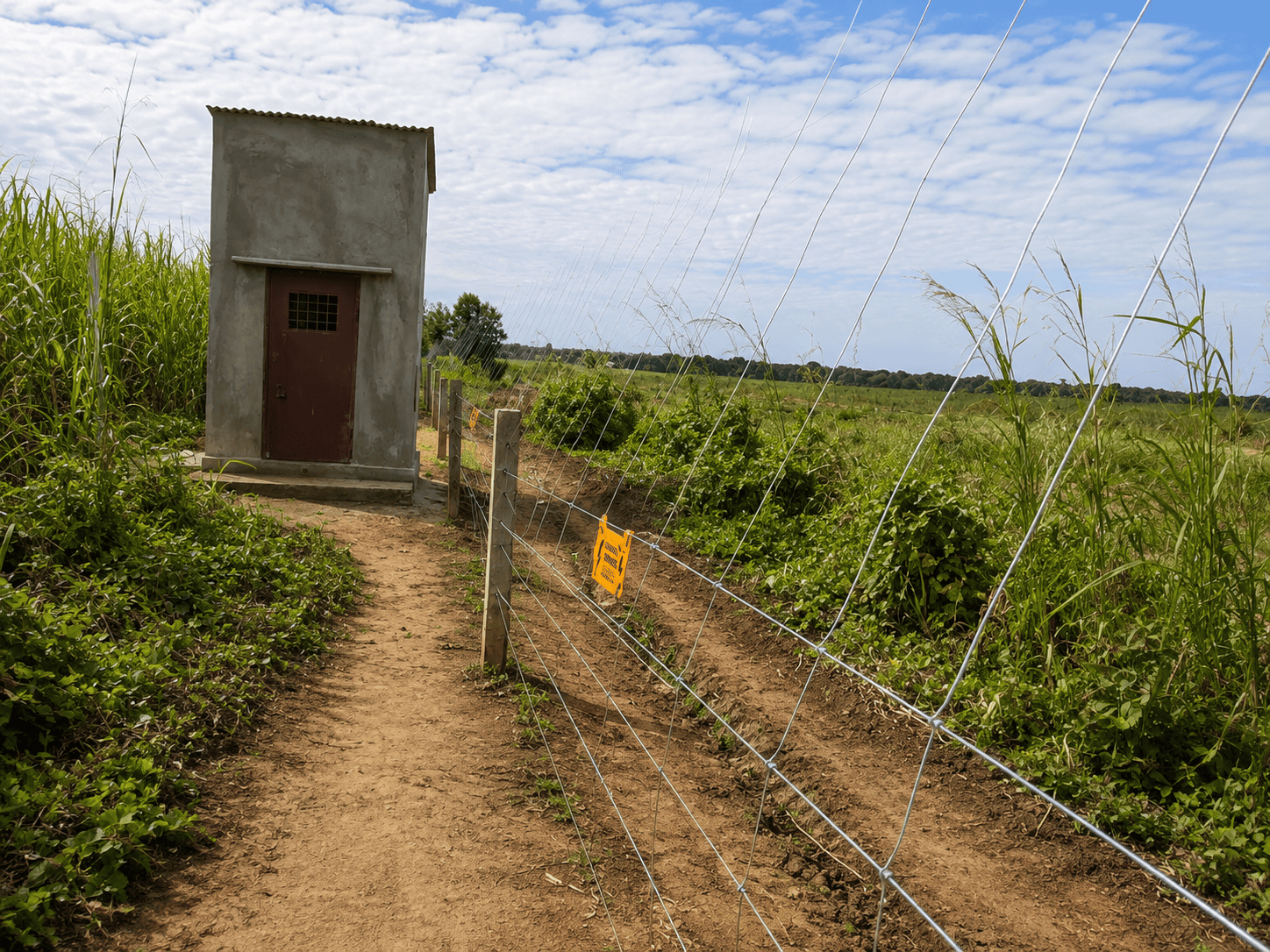
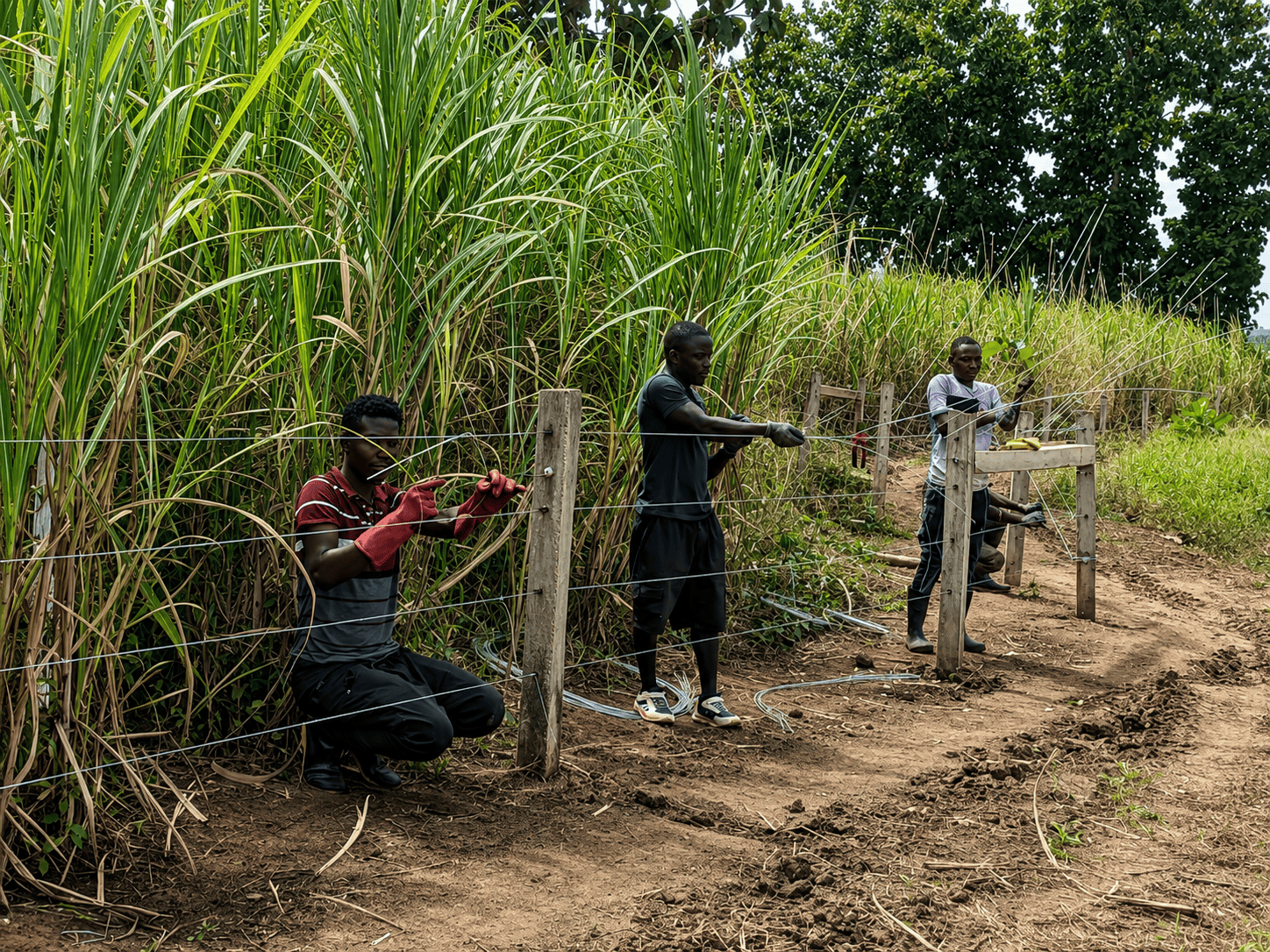
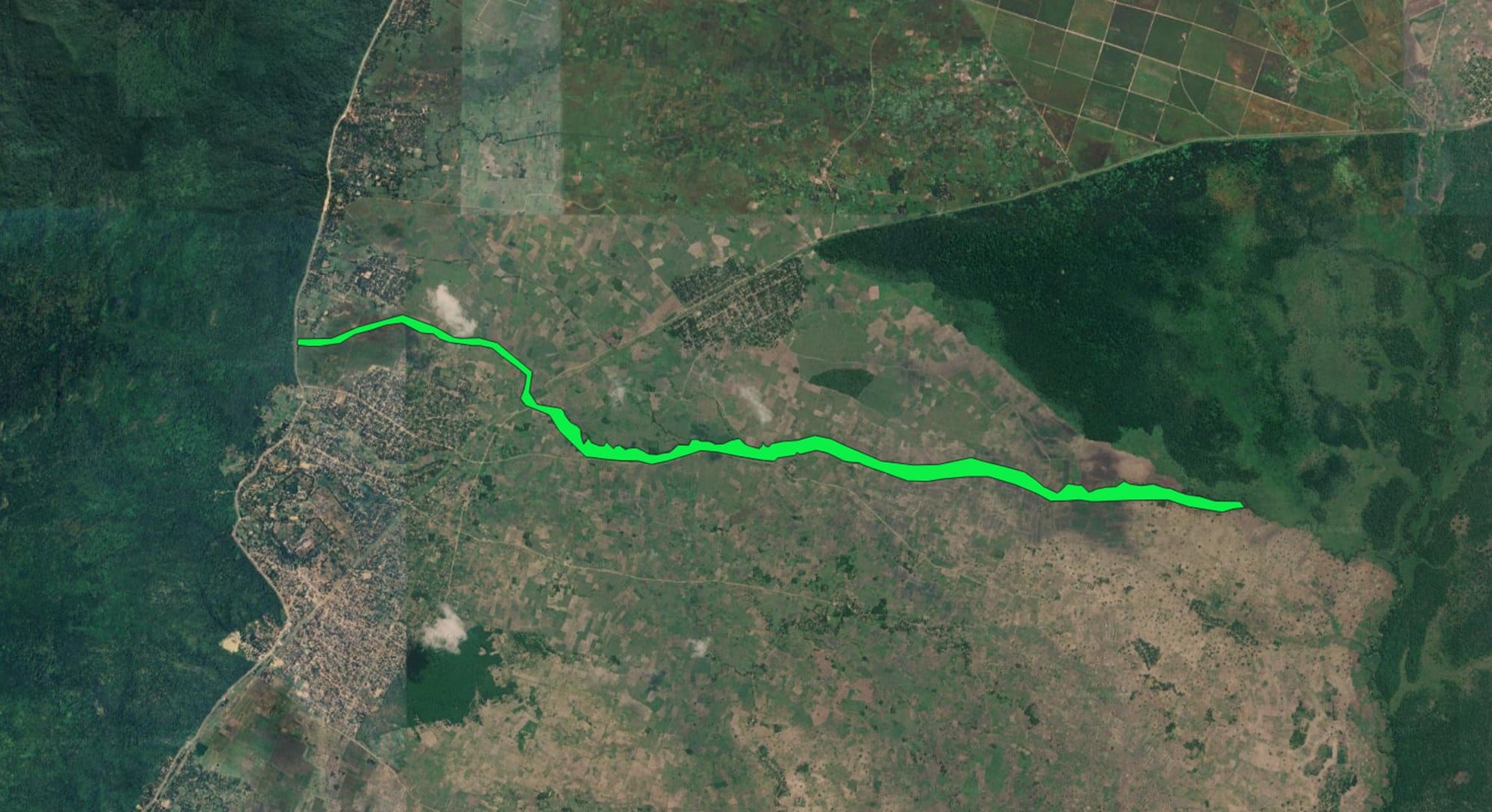
With the support of the Fondazione Capellino, the initiative is establishing a 13 km ecological corridor, recognised nationally as an area of major conservation importance. Secured as a protected landscape and backed by local communities, the corridor maintains the continuity of wildlife movement, particularly for elephants between Nyerere National Park and the Udzungwa Mountains National Park. At the heart of the project is Tanzania’s first large‑scale electric fencing system, introduced as a primary measure to mitigate human–elephant conflict, and ensure their protection.

Launched in 2024, the project has already delivered some significant results by 2025:

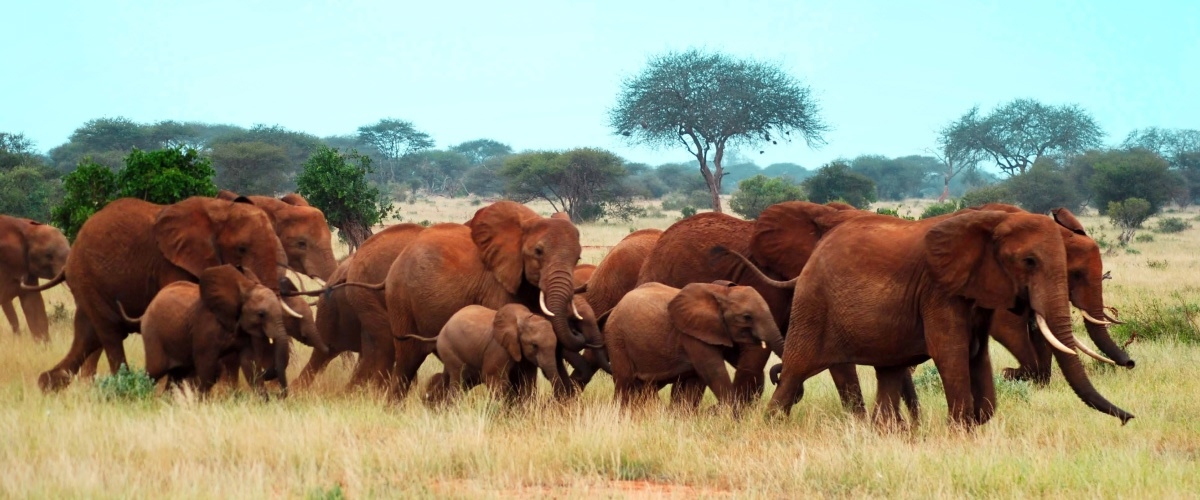
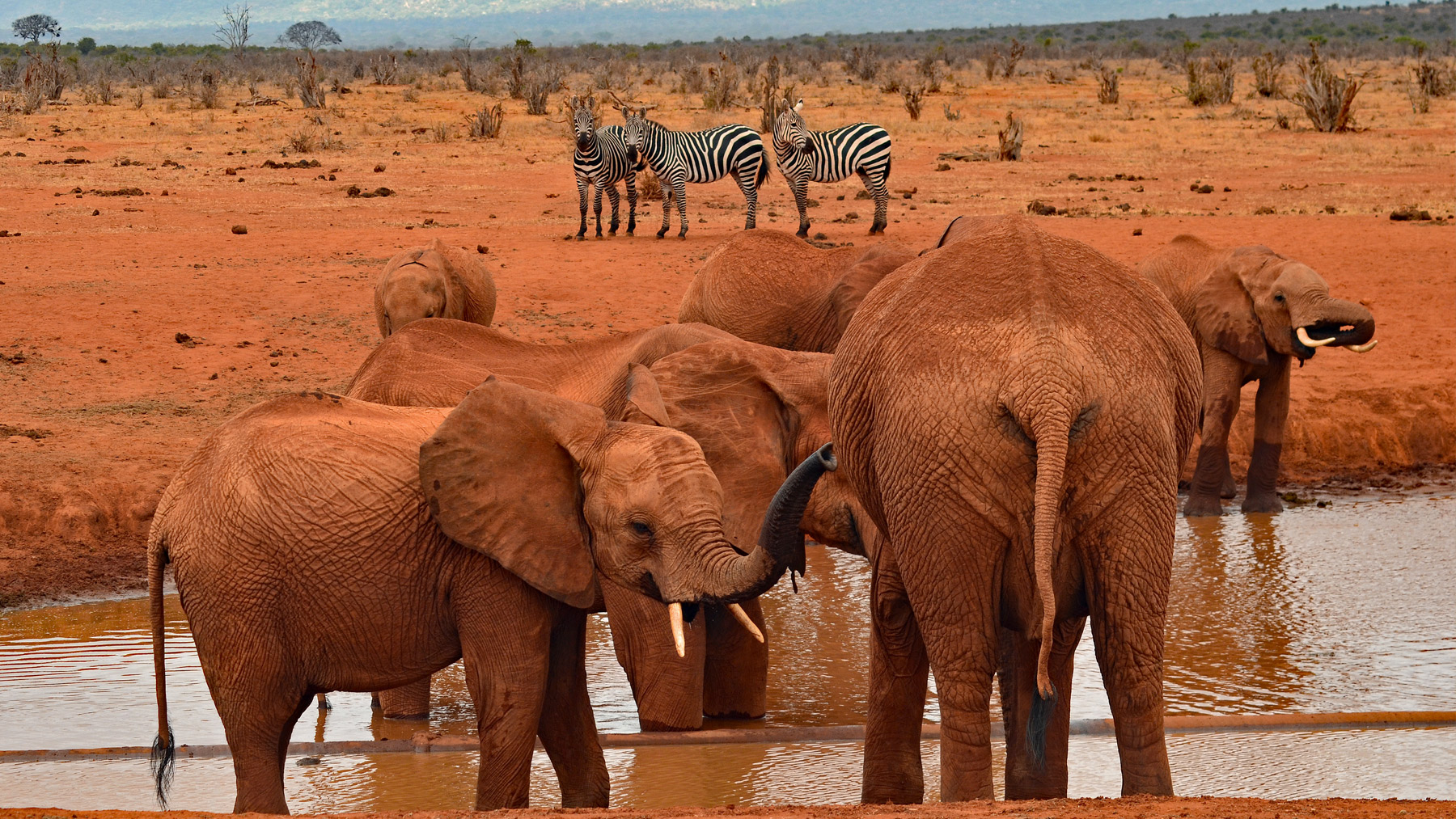
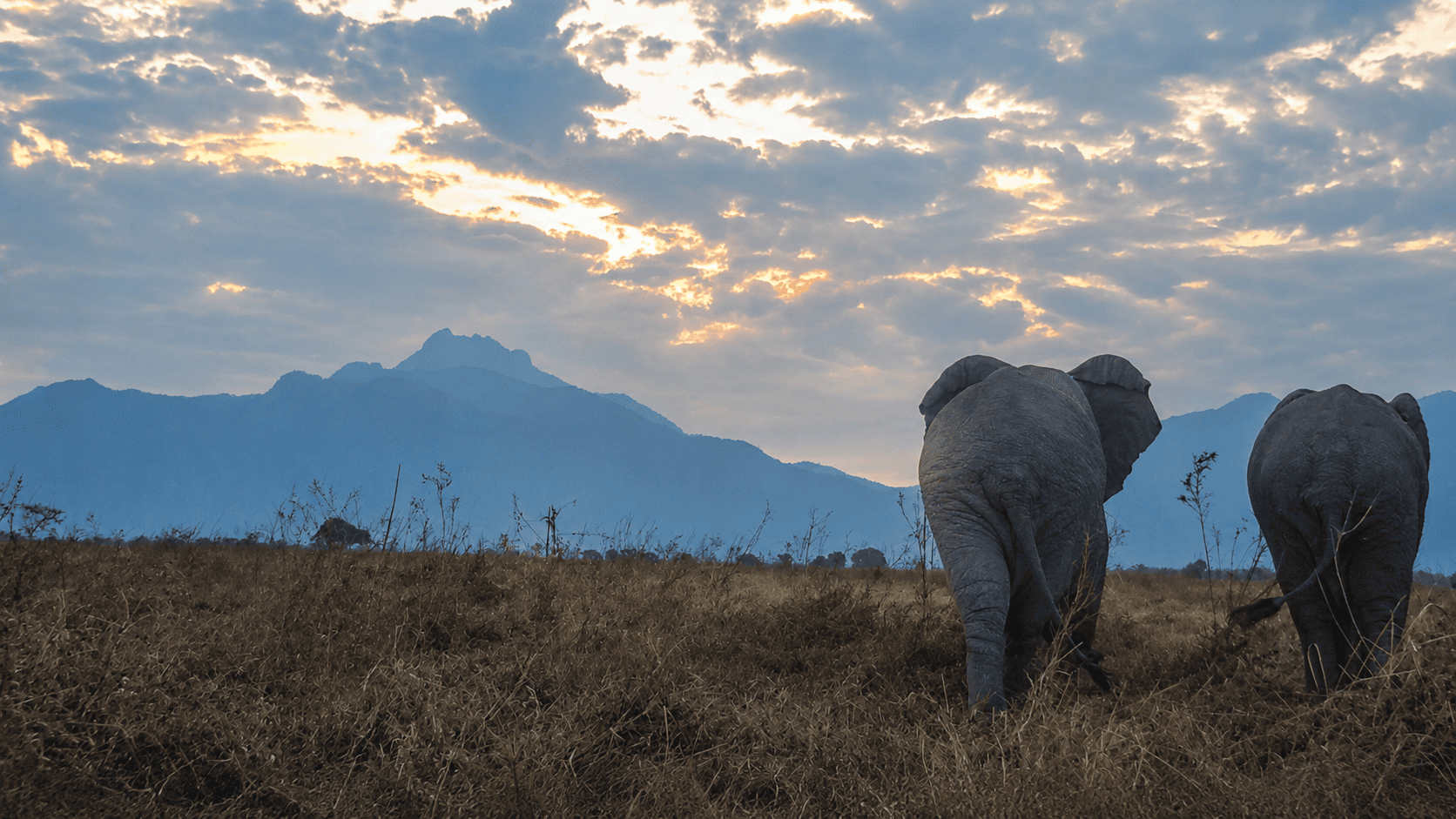
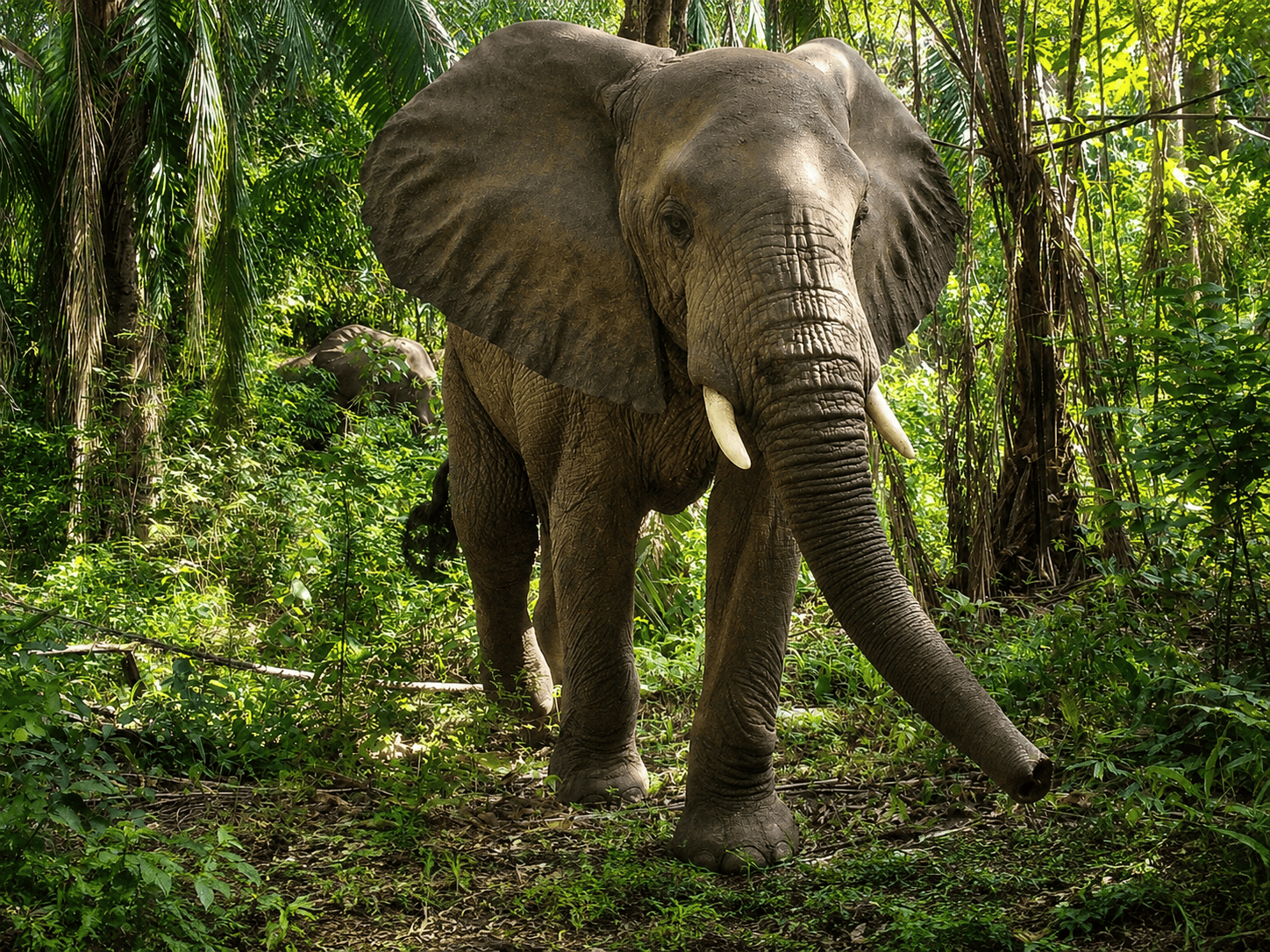
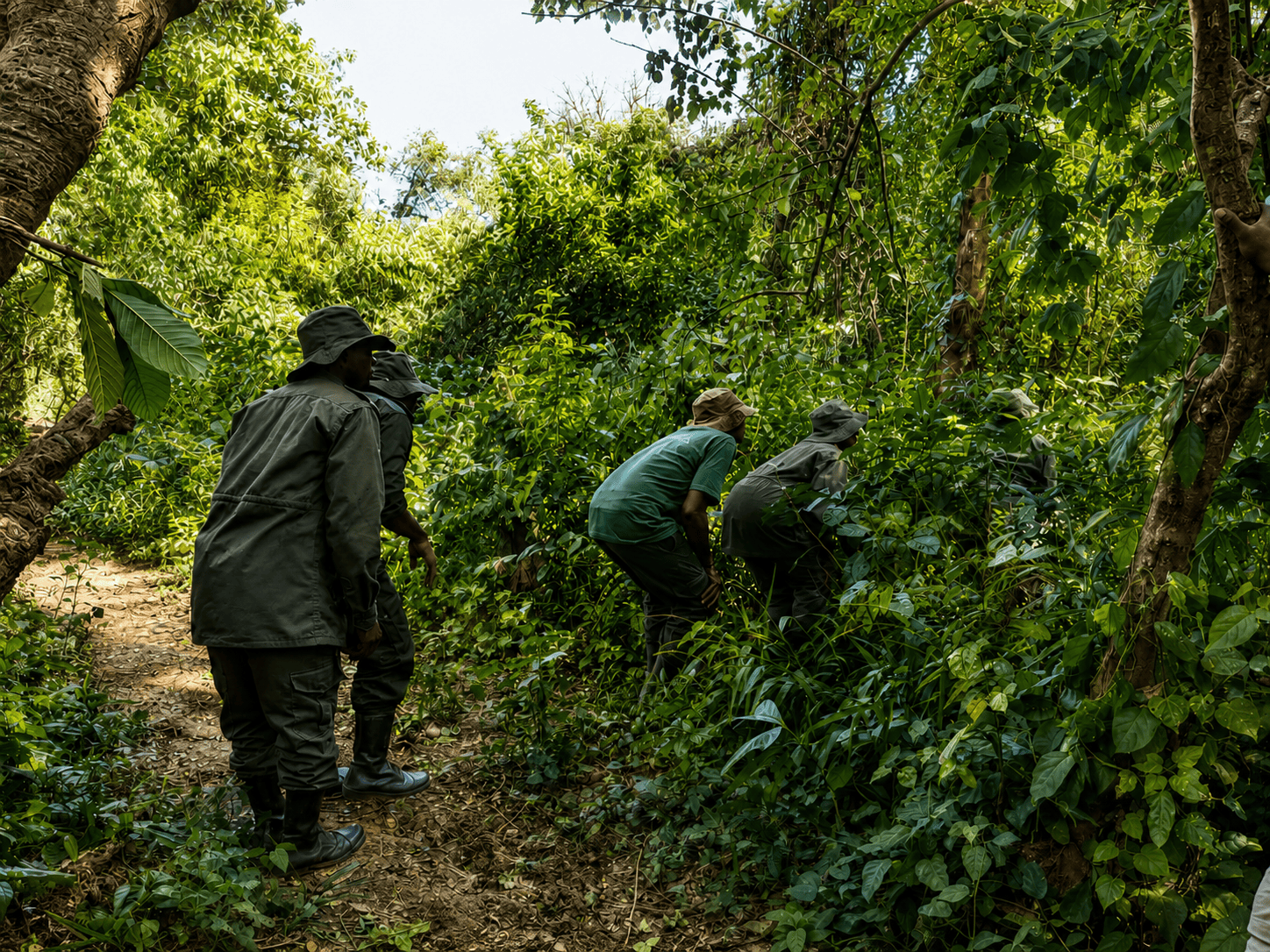
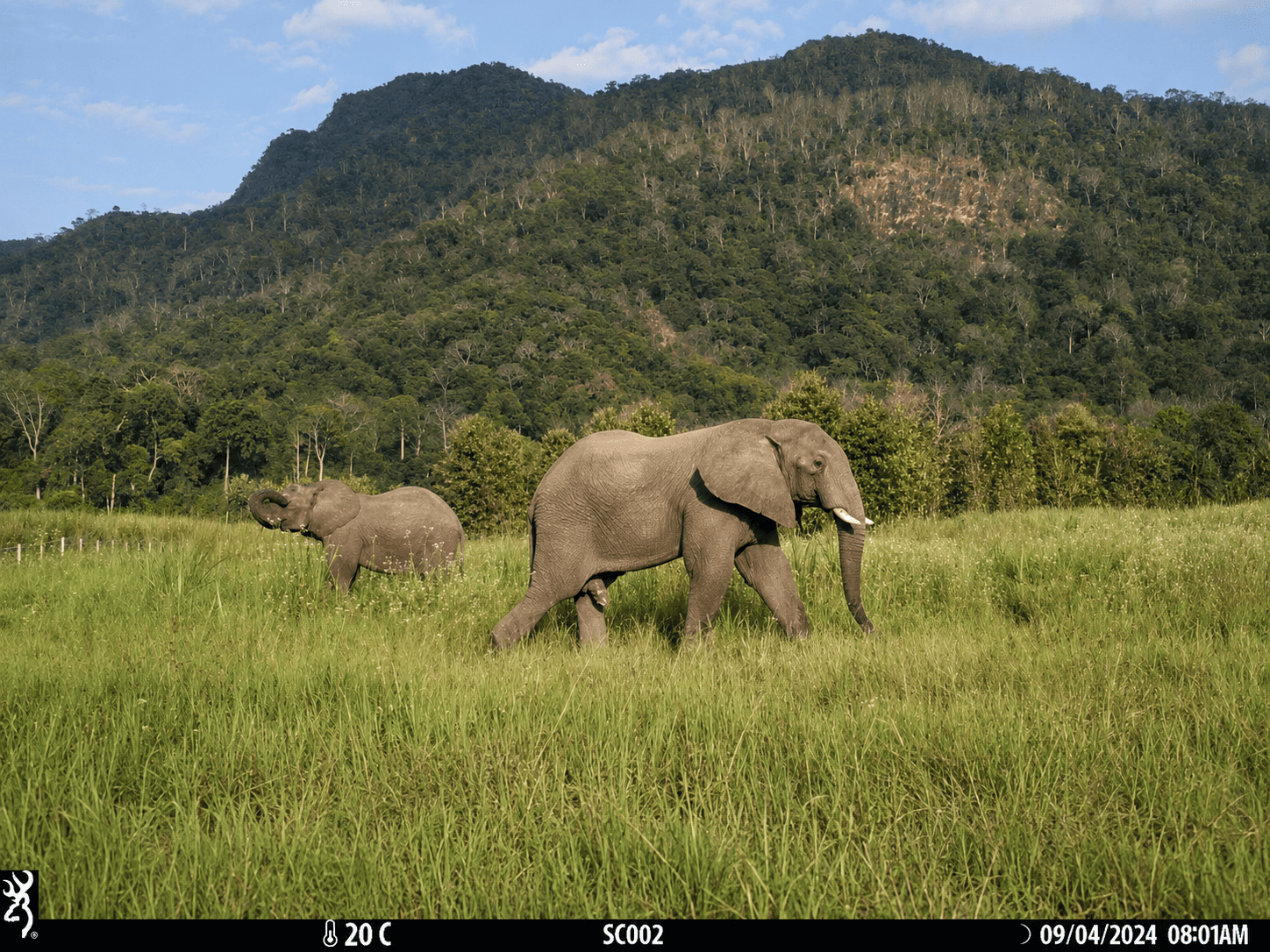
Village Game Scouts report that elephants now remain within the corridor during daylight hours, gathering in shaded areas and along streams. The fence has successfully guided them back to their intended habitat without confining their natural movements.
The success at Magombera has influenced government policy. The Minister for Natural Resources and Tourism publicly referenced the project, signalling the intention to replicate this model in other corridors where conflict hinders connectivity. This marks a shift in national perception, inspiring a rethink of how coexistence can be achieved in practice. The project was highlighted in the Ministry’s 2025-2026 budget speech and featured on the the Minister’s Instagram account.
In Upogoroni sub‑village, elephants previously crossed farmland in broad daylight, forcing residents to abandon their fields by late afternoon to avoid conflict. Since the installation of the fence, villagers can now work safely throughout the day, while elephant movements have returned to their natural corridor. This transformation is restoring both biodiversity and a sense of security and dignity that awareness campaigns alone could never achieve.
Coexistence is increasingly seen as a daily reality. The project has fostered tolerance, strengthened trust in conservation authorities, and encouraged active community support for elephant protection.

Area of intervention


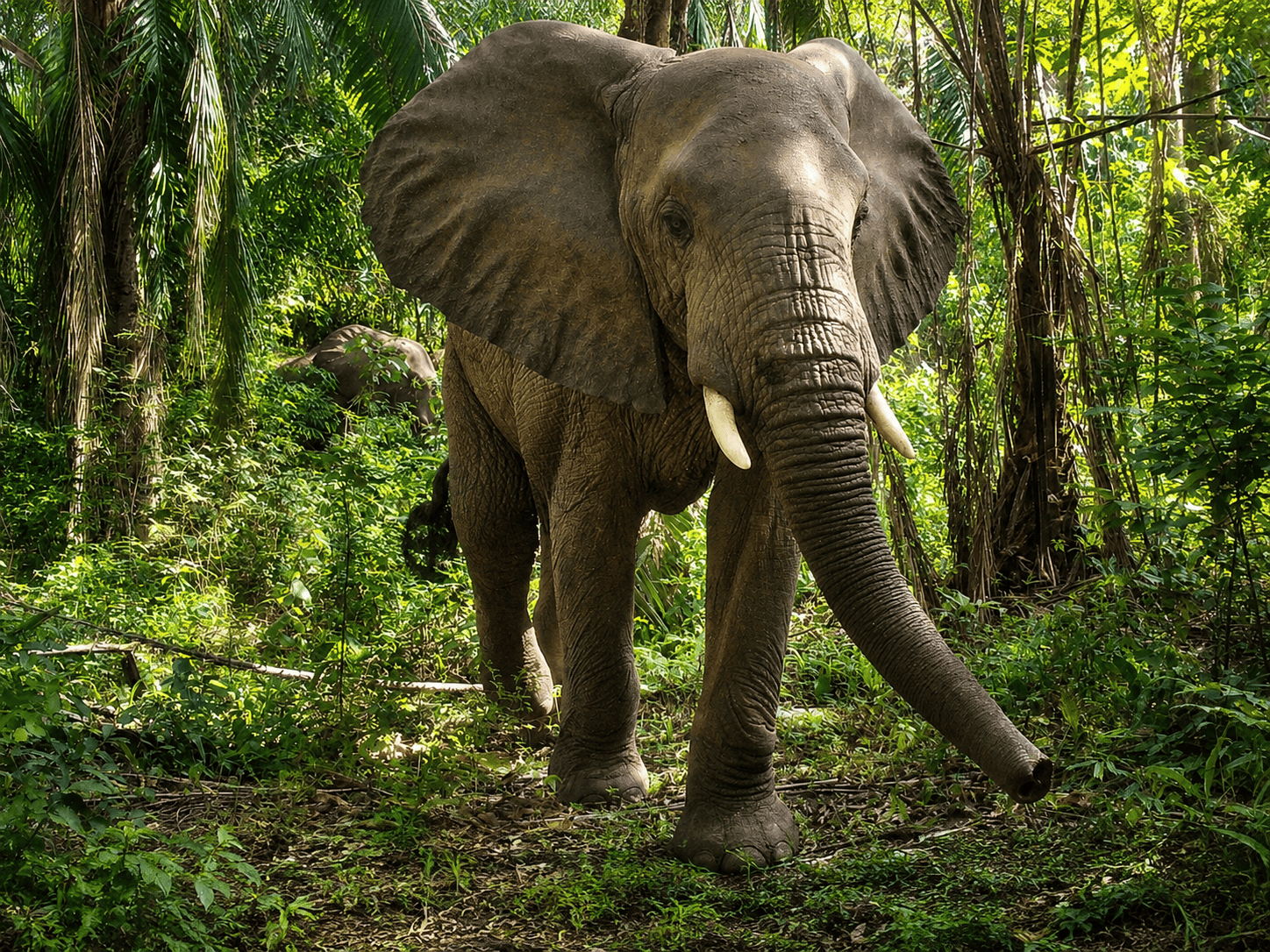
The Nyerere‑Udzungwa Wildlife Corridor (NUWC) connects Udzungwa Mountains National Park with Nyerere (Selous) National Park, passing through the Magombera Nature Forest Reserve. This ancient pathway, stretching approximately 13 km, allows both lowland and mountain elephants to move freely between protected areas.
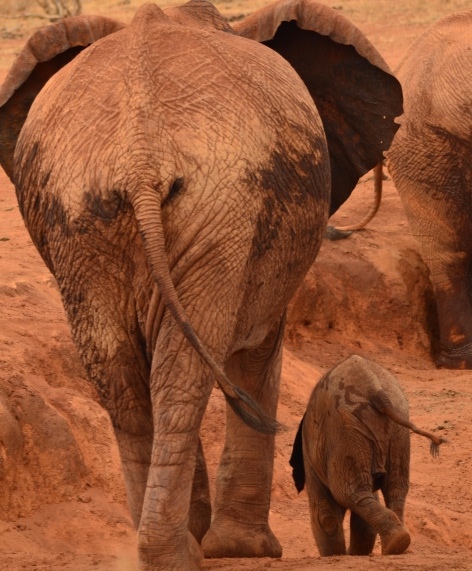
Since 2018, the Southern Tanzania Elephant Program (STEP) has collaborated with local communities, partners, and donors to restore the corridor. Three villages, Sole, Mang’ula A, and Kanyenja, have set aside around 7% of their land, with all plots fully compensated, making this collective vision a reality.
Elephant Corridor in Tanzania-Area-di-int
ff3a41e0-5e18-41f1-b1e1-2e0eb934e944
2024 – 2026

Elephant Corridor
in Tanzania

Project updates

Key developments along the ecological corridor in Tanzania, from January 2024 to today. Use the arrows or the bar below to navigate.

Jan – Mar 2026

New planning phase with Fondazione Capellino

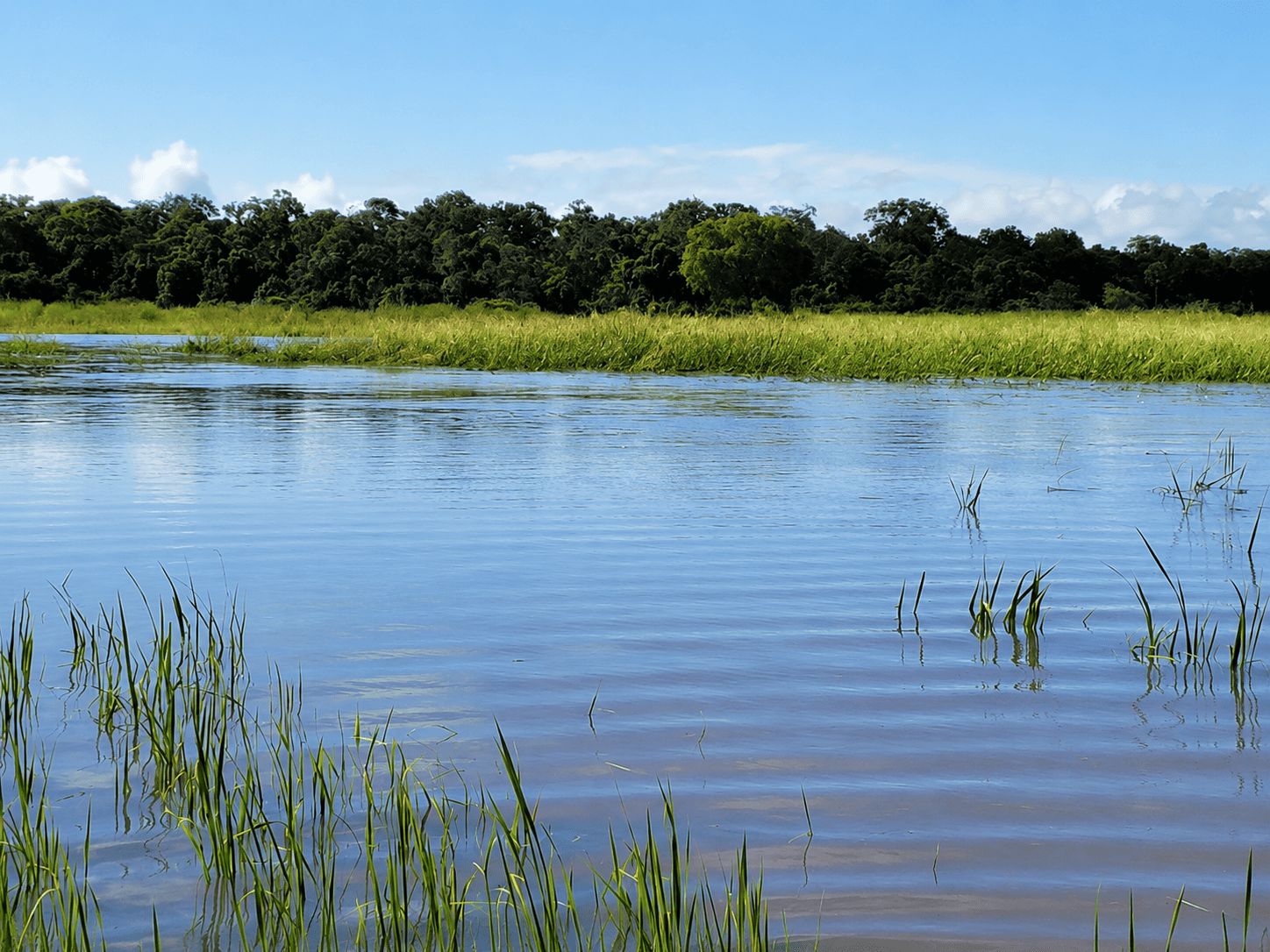
Severe flooding brings the project back into a technical planning phase, with the support of Fondazione Capellino. The aim is to translate the challenges that emerged into stronger solutions, improving resilience, adapting to water dynamics, and improving functionality for elephant movement.

baf9c55f-f1b3-4a57-a5f6-7a27aeb7231e
Jan – Mar 2026

Corridor coverage fence reached: 12.6 km

The project consolidates a fence constructed along the approximately 12.6 km corridor. Management continues through fence maintenance, village wildlife ranger patrols, and elephant monitoring.

4270eaa7-6108-40f2-bb8e-f958a0ccd528
Oct – Dec 2025

New agreement with Mang’ula A

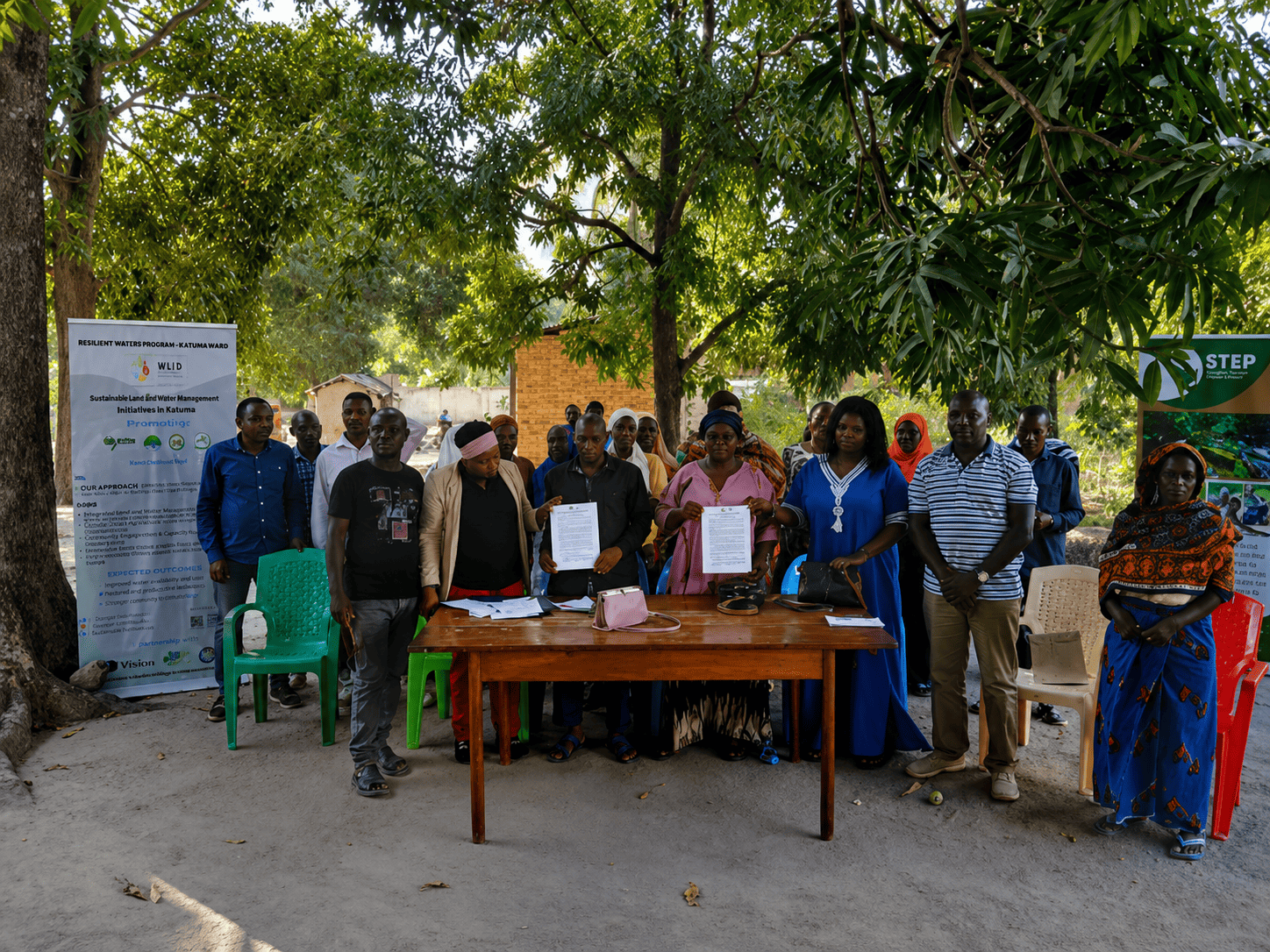
STEP signs a conservation agreement with the village of Mang’ula A, aimed at improving school facilities and access to basic services. The corridor continues to generate local benefits, linking conservation work, community engagement and quality of life.

55345734-1dbd-4892-ba9b-1c80c50324bf
Jul – Sep 2025

Wildlife monitoring fully reactivated

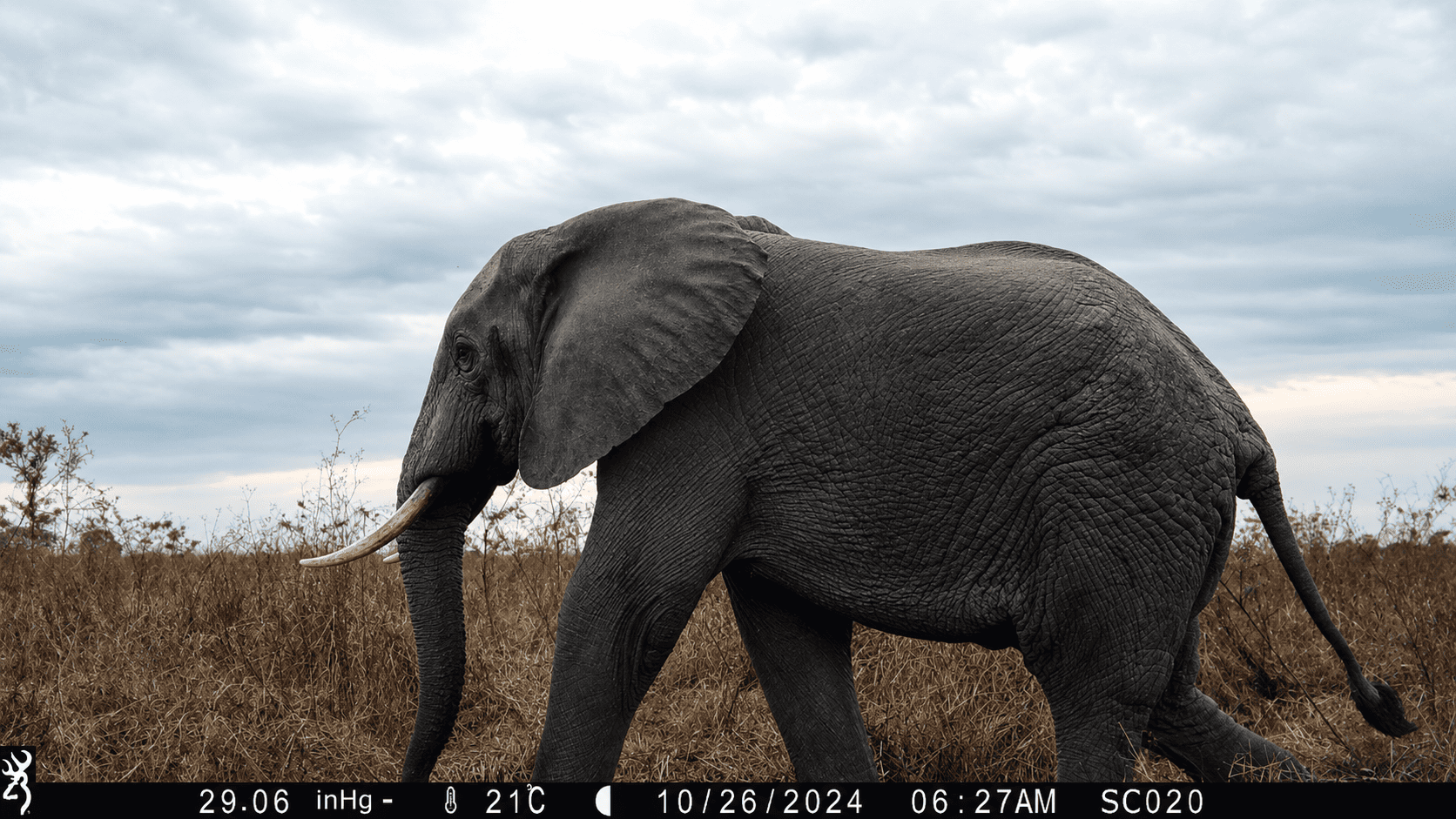
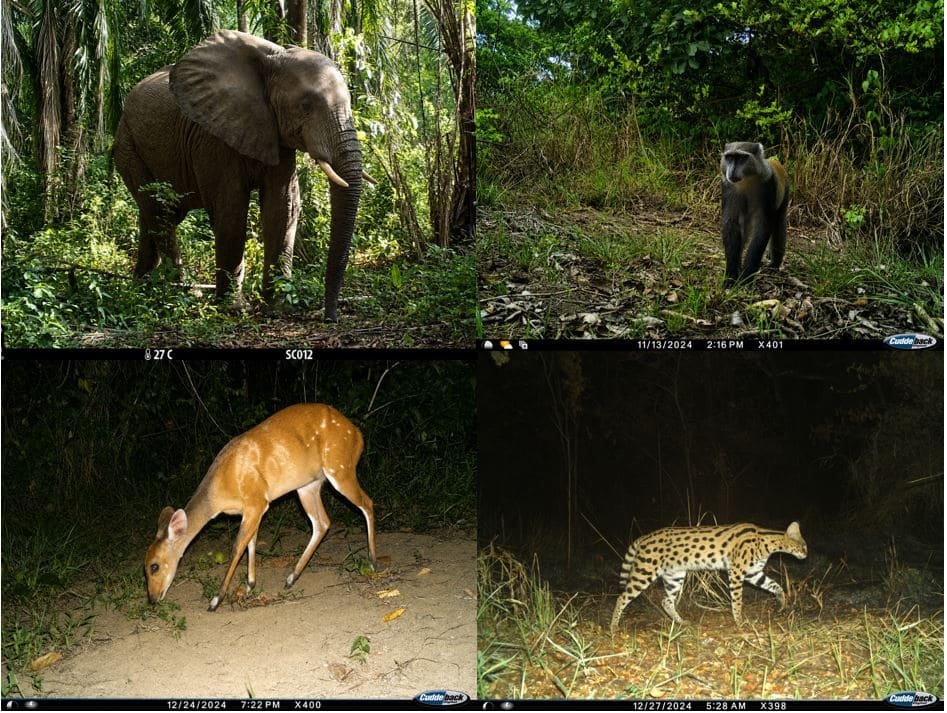
As field conditions improve, STEP reinstalls 32 camera trap stations along the corridor and resumes monthly transects. Monitoring activities confirm elephant presence, strengthening the project’s evidence.

Fototrappole
Jul – Sep 2025

Communities, management, and conservation agreements

On site education activities resume, and a new conservation agreement is signed with the village of Sole. STEP also takes part in regional and national discussions to support land use planning and protect the corridor from incompatible developments.

7e5ac57c-6b75-4536-ad97-7f091f02753e
Apr – Jun 2025

The corridor is officially recognized

In April 2025, the Nyerere-Udzungwa Wildlife Corridor was officially recognised in law. In May, the management committee met and acknowledged the role of district and local institutions in protecting the corridor and managing surrounding areas sustainably.

tanzania-w
Apr – Jun 2025

Technical planning for a more effective system

The quarter is used to assess how the corridor functions under different seasonal conditions. The technical team and consultants analyse the most sensitive points, particularly those related to water management and fence performance, to improve future management.

89a3277b-b57e-49e5-8670-80905056b85a-1
Jan – Mar 2025

Moving toward legal recognition of the corridor

The official recognition process makes significant progress. The government notice is approved by the Attorney General and enters the final stage before official publication, strengthening legal protection of the corridor.

ff3a41e0-5e18-41f1-b1e1-2e0eb934e944-1
Oct – Dec 2024

Second solar house and more resilient infrastructure

Construction of a second solar house, approximately 8.4 km from the first, strengthens the fence energy system. The project shifts from a construction project approach towards more structured infrastructure management, with coordinated maintenance, patrols, and monitoring.

820661d1-2b14-4584-bdca-f94cb9308bd2
Jul – Sep 2024

Underpass better suited to elephant movement

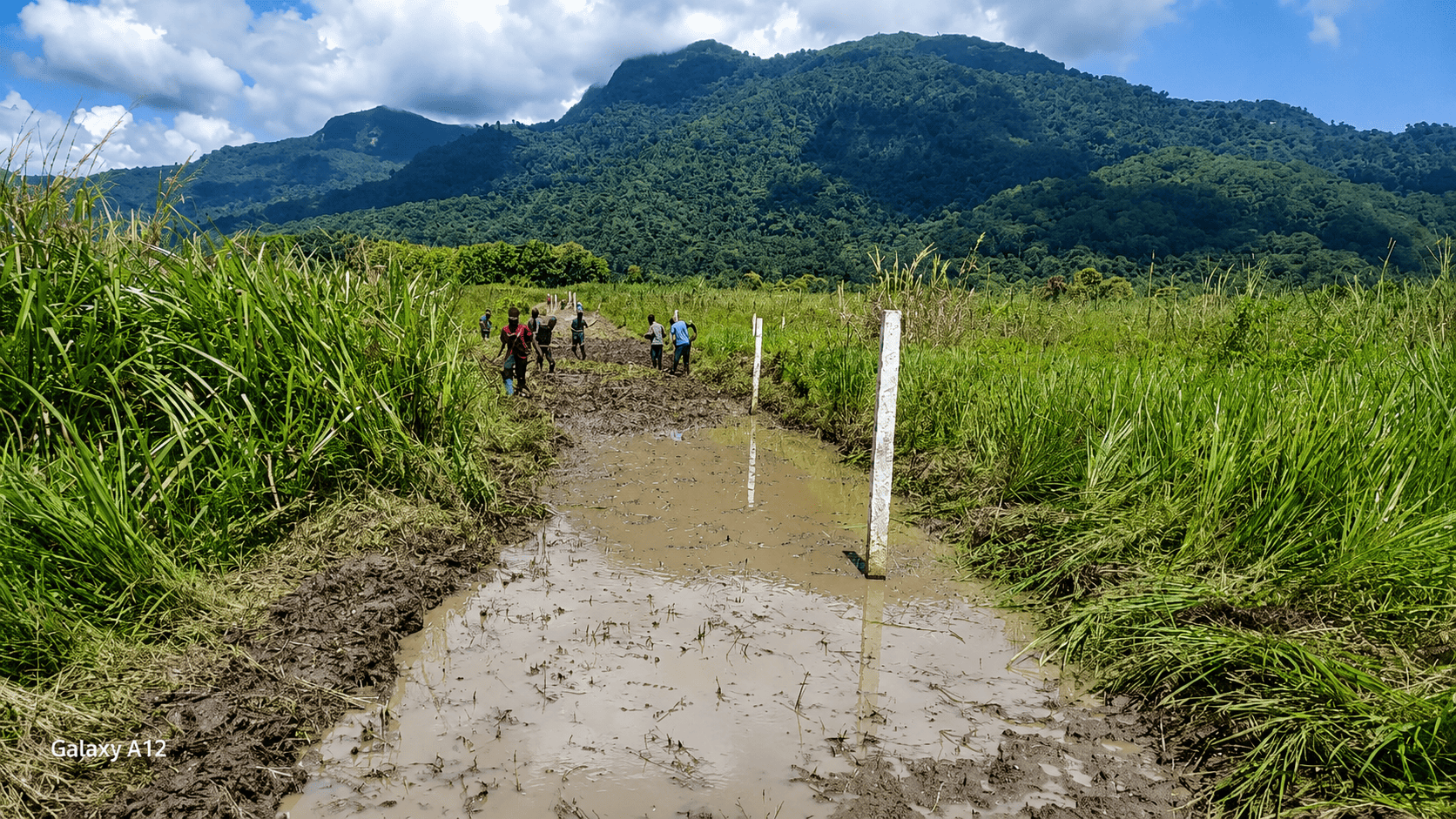
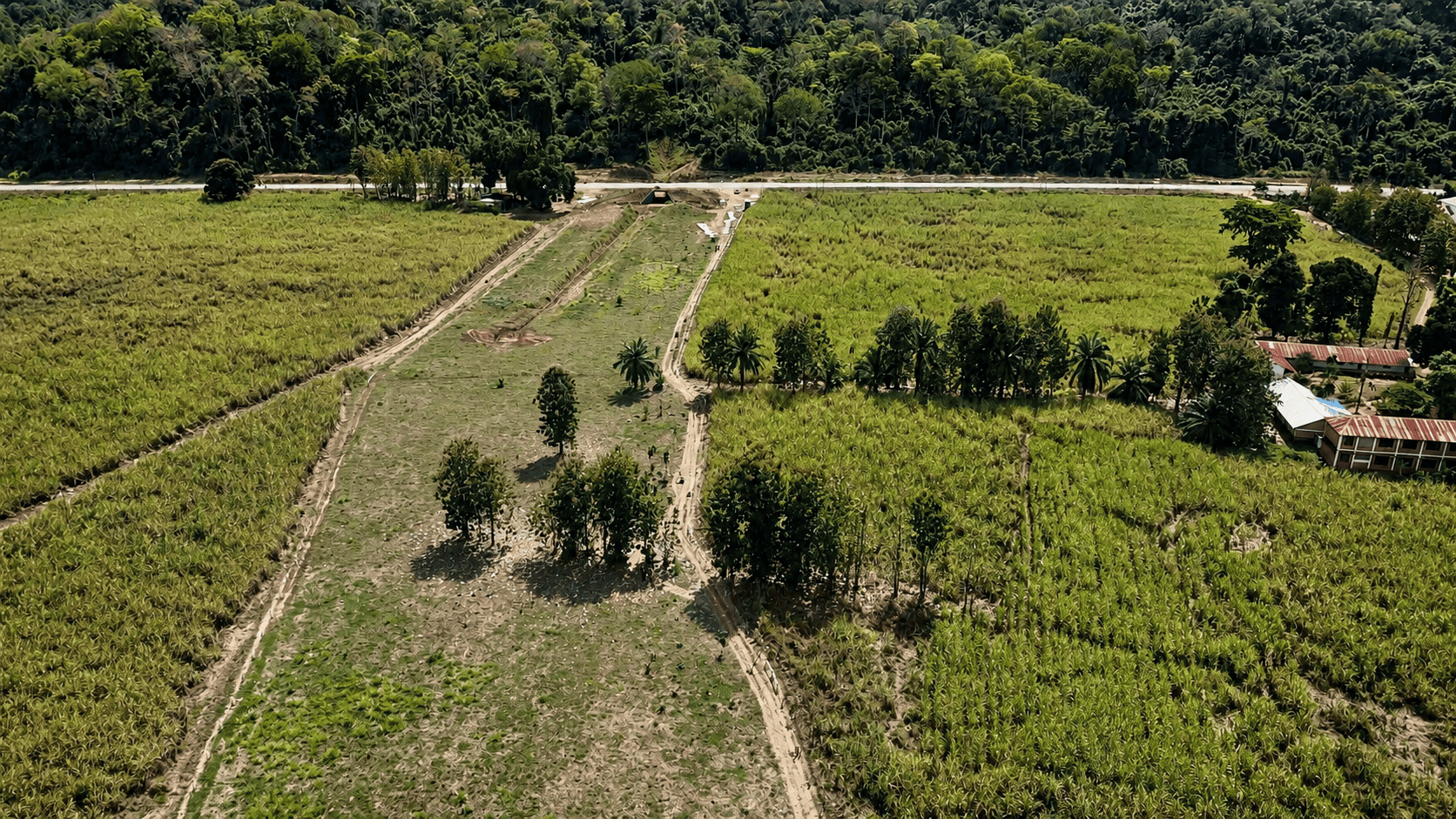
STEP works directly on the underpass area to improve drainage, slopes, and soil stability. Natural erosion control methods are used, with support from Reforest Africa, making the crossing more functional and easier for elephants to navigate.

5bcf22cb-56b7-4792-b851-5492e4c23b03
Jul – Sep 2024

Fence progress and public recognition of the corridor

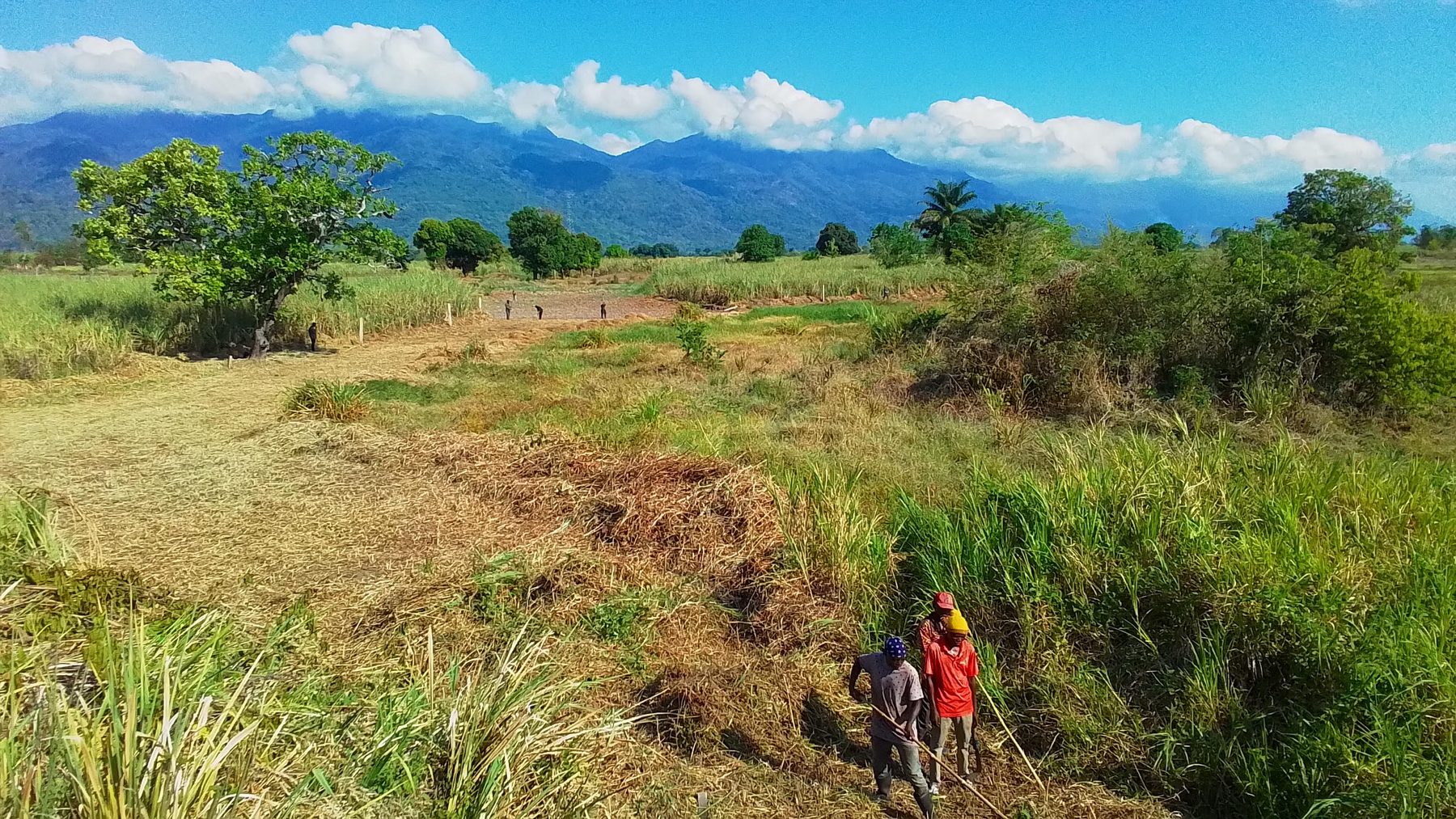
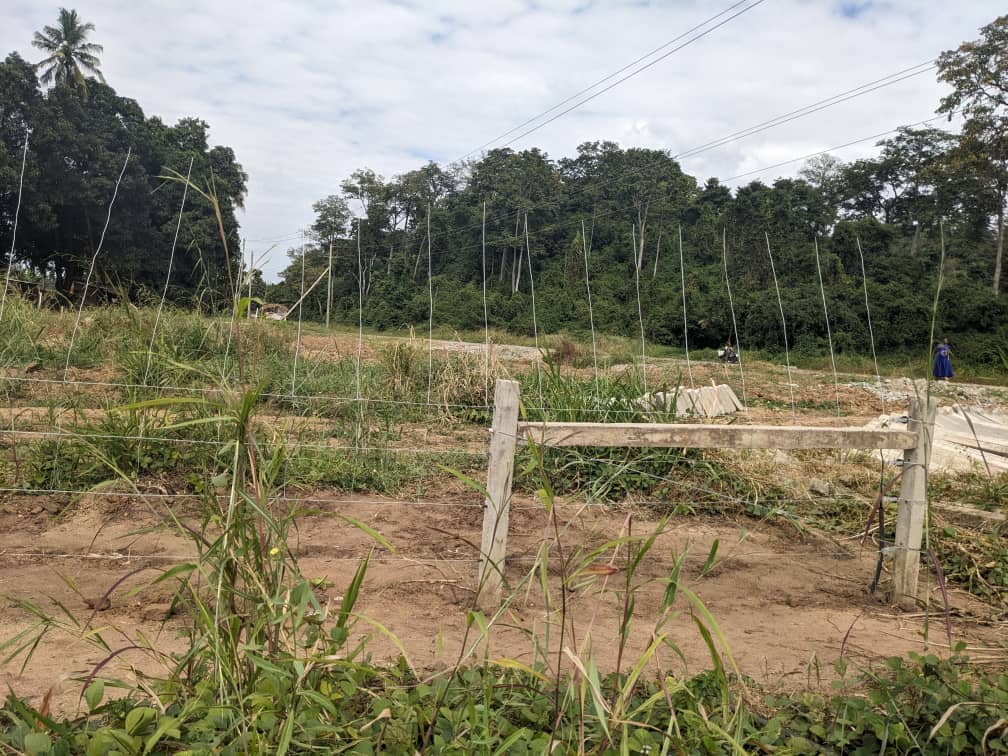
Fence work accelerates, with new sections cleared, holes dug, posts installed, and cables laid. At the same time, the Government begins the formal recognition process for the corridor, involving communities and clarifying the role of the future community managed area.

IMG-20240702-WA0041
Apr – Jun 2024

Work resumes and preparation for the dry season

After the wettest period, STEP gradually restarts field activities. Fence construction continues on the agricultural side, while material organisation, logistics, and technical preparation support a stronger operational base for the dry season.

e55c7de6-f20d-4d5f-8dd2-de0037401343
Apr – Jun 2024

Training and patrols strengthened

Village game scouts receive training on safety around elephants and continue corridor patrols. Patrolling becomes a stable tool for monitoring, education, and prevention, linking wildlife protection with community participation.

e5abb86c-9fa7-4b6e-8a6b-4fd07c55f069
Jan – Mar 2024

The project enters the operational phase

The Kilombero Elephant Corridor is consolidated as an ecological corridor infrastructure between Udzungwa Mountains National Park and Nyerere National Park. The first phase supported by Fondazione Capellino focuses on building the strategic fence, protecting local communities, and the joint management of the corridor.

cc409abd-3186-4199-ad1d-d4a34237d615
Jan – Mar 2024

Monitoring and community presence

Fieldwork combines infrastructure, scientific monitoring, and local participation. Camera traps and transects are activated, early wildlife presence data is collected, and village game scouts support corridor protection and community engagement.

elephant_corridor_tanzania_map_first_image
2026
Jan – Mar 2026
2025
Oct – Dec 2025
Jul – Sep 2025
Apr – Jun 2025
Jan – Mar 2025
2024
Oct – Dec 2024
Jul – Sep 2024
Apr – Jun 2024
Jan – Mar 2024
Elephant Corridor in Tanzania-page
Elephant Corridor in Tanzania-project-date

DURATION


2024/2026

OUR INVESTMENT

€ 215.000,00

Fondazione Capellino AI