

Yellowstone to Yukon (Y2Y) Project

Objective

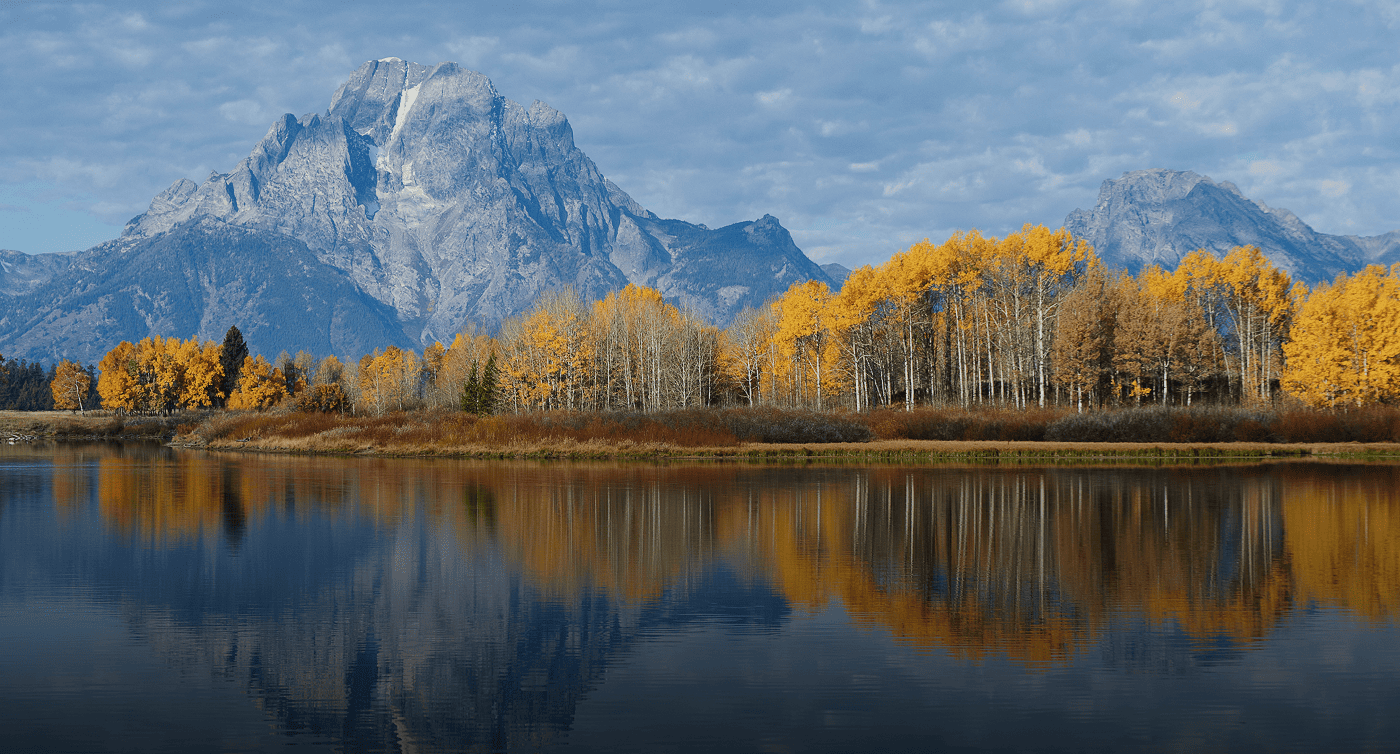
Starting in January 2025, Fondazione Capellino is supporting an ambitious conservation project: the creation of a vast biodiversity corridor stretching between the United States and Canada.
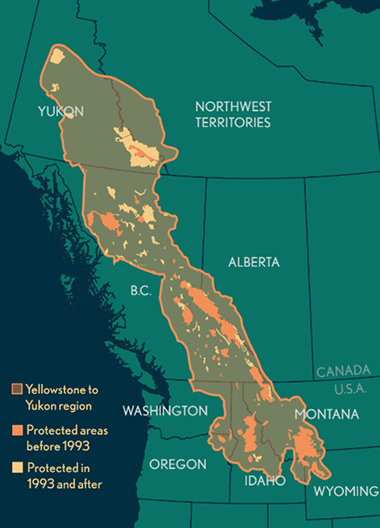
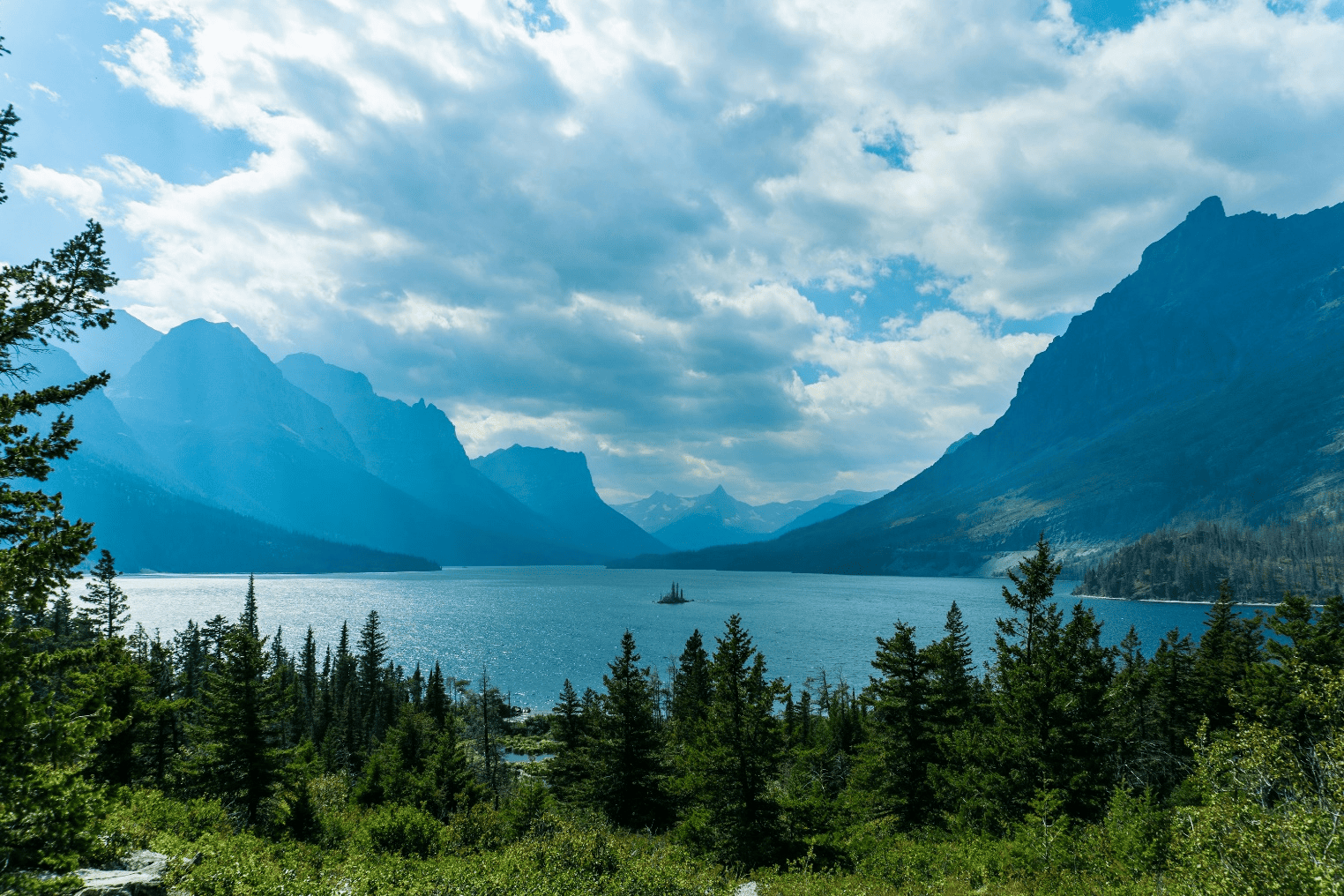
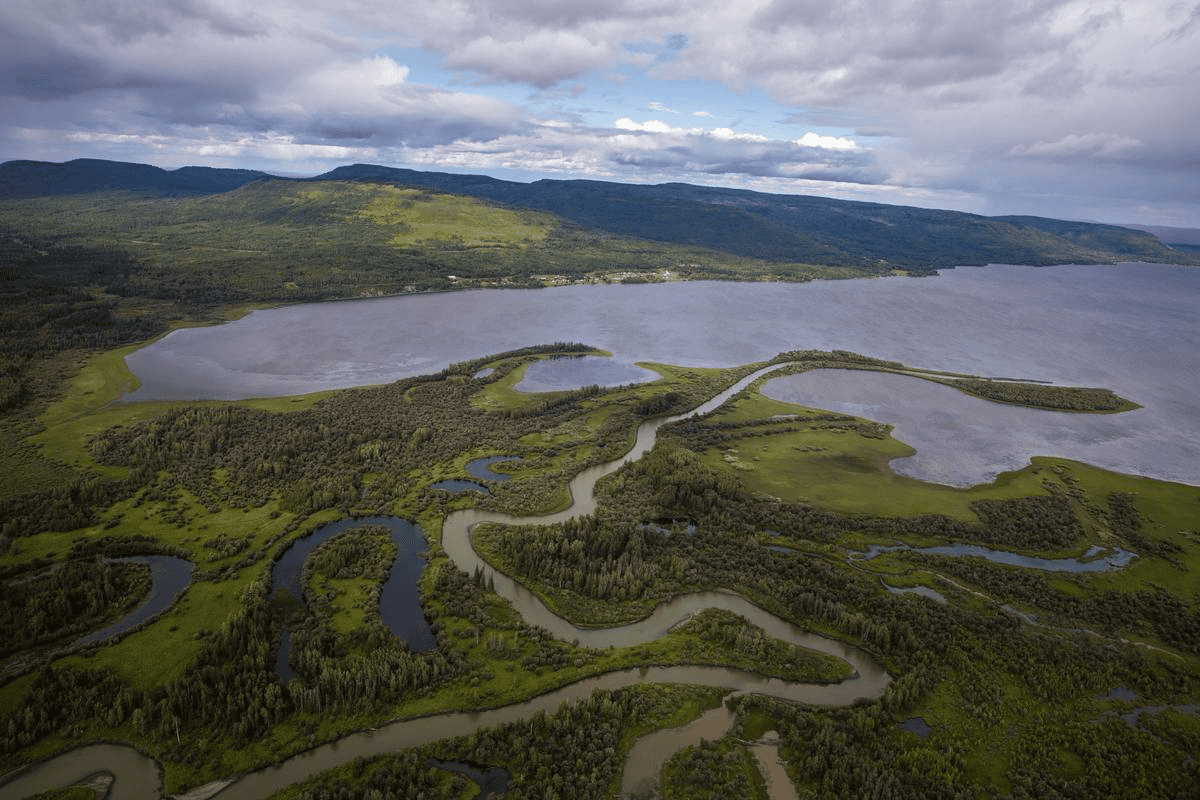
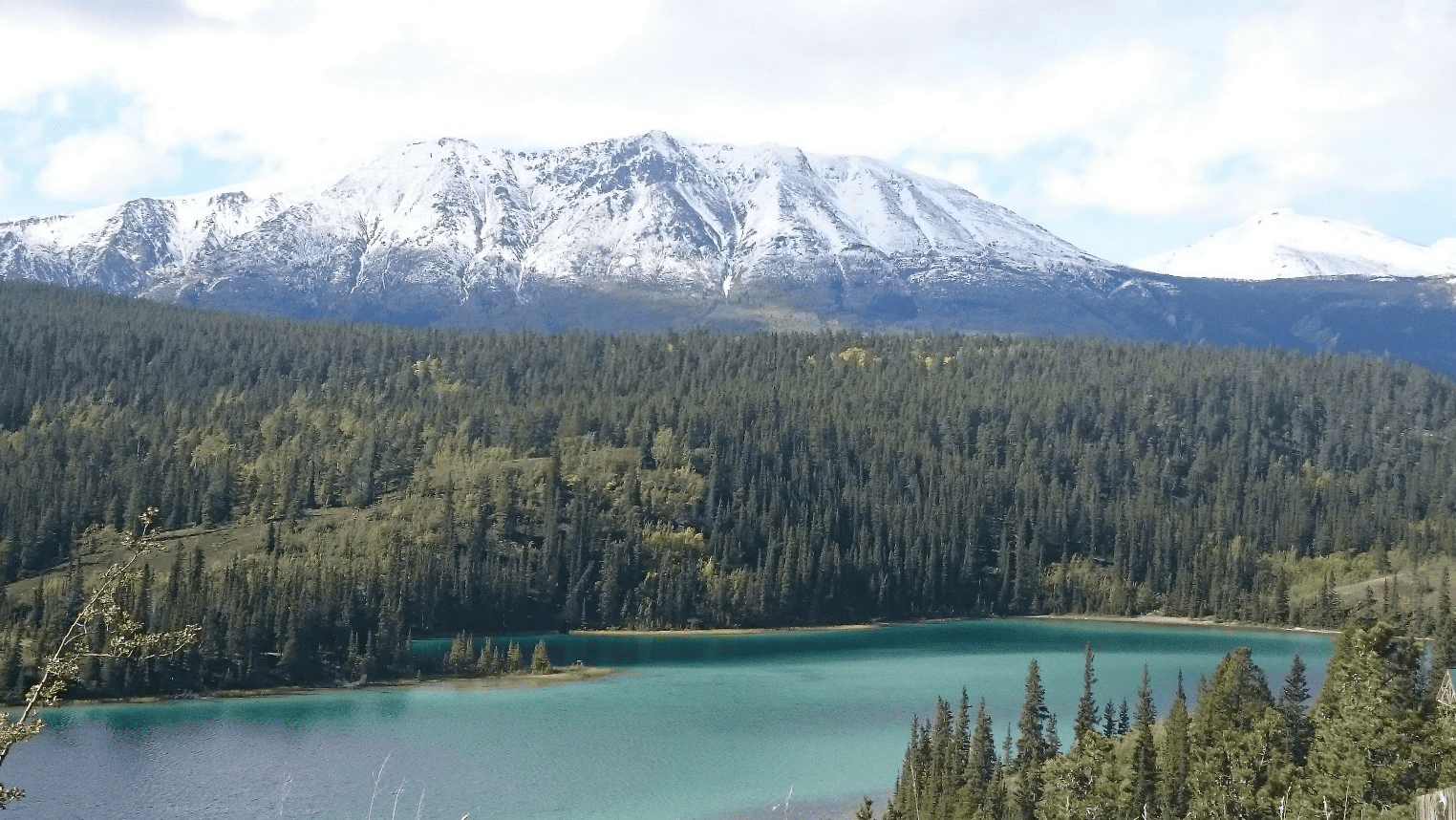
The goal of the Yellowstone to Yukon (Y2Y) project is to connect and protect an extensive 3,400-km area between Yellowstone National Park in the United States and the Yukon Territory in Canada.

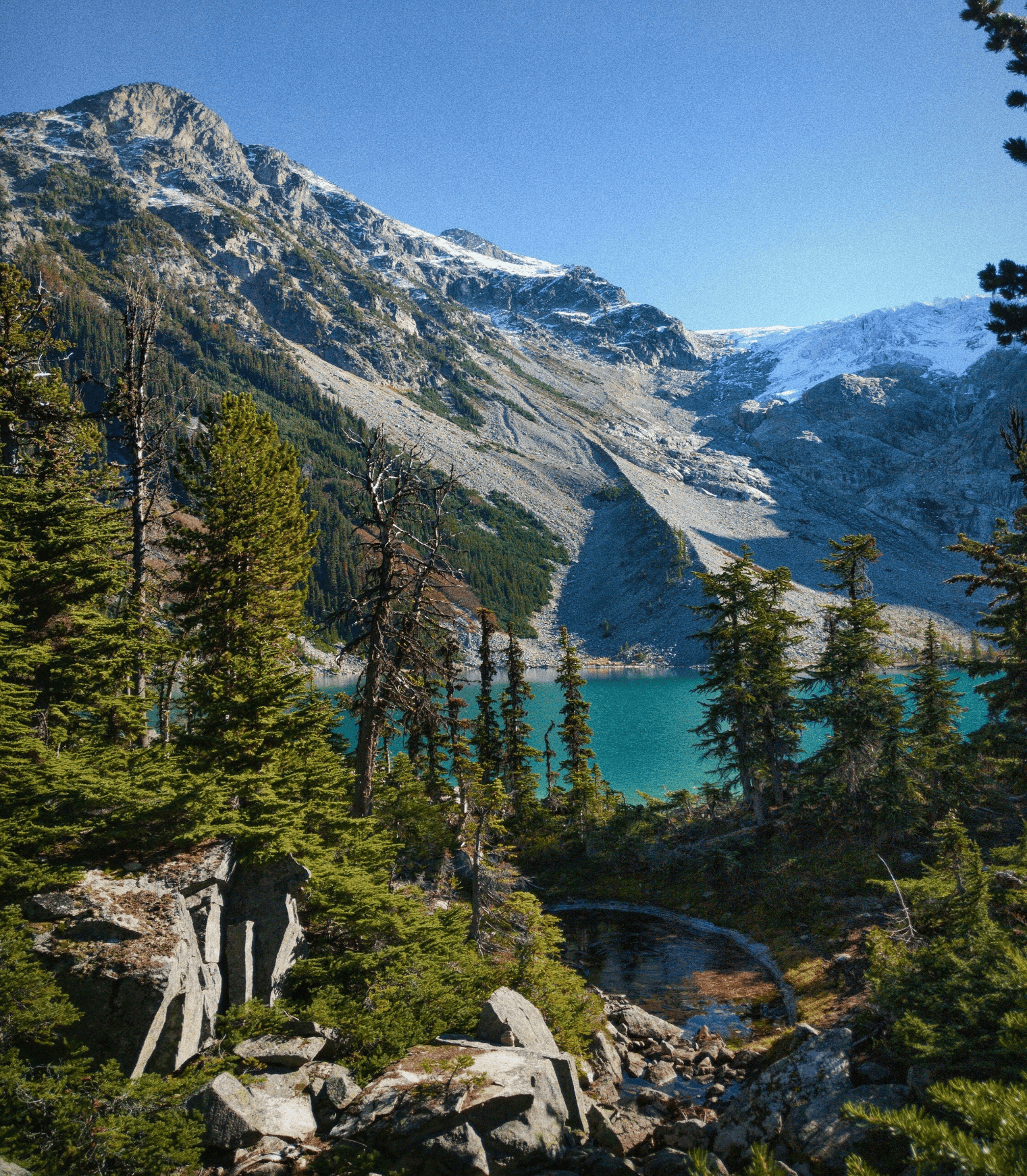
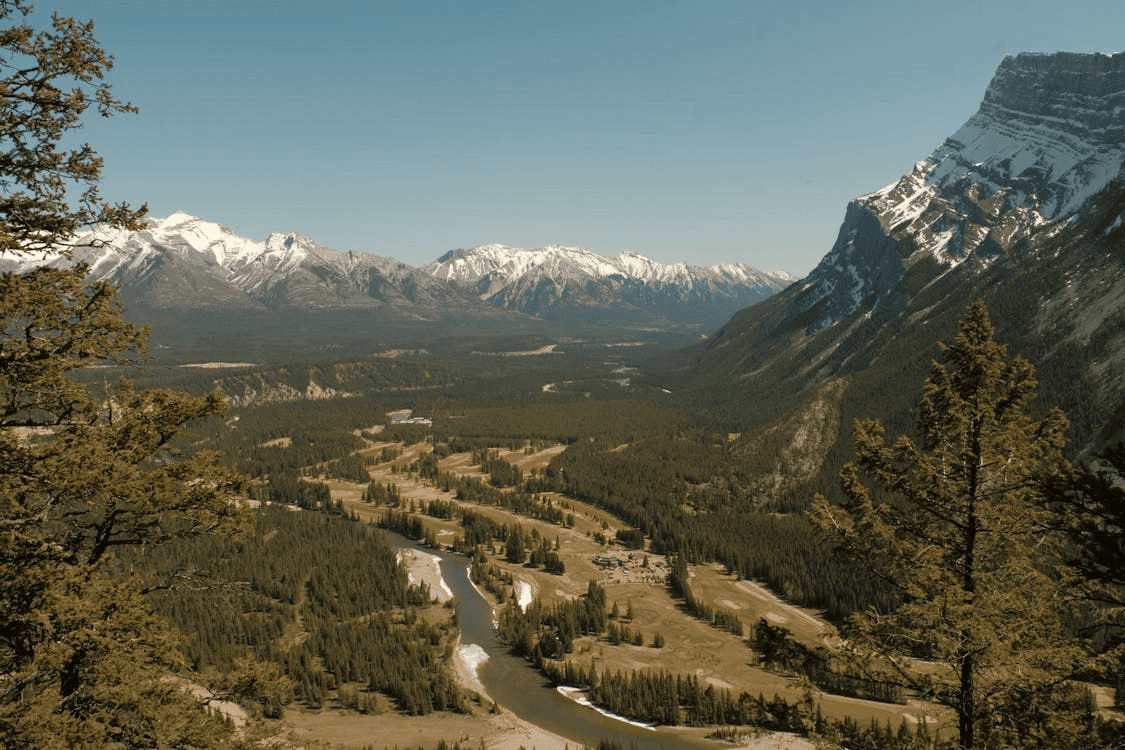
Y2Y is committed to large-scale conservation, preserving the integrity and restoring the connectivity of habitats along the Rocky Mountain range, from the Greater Yellowstone Ecosystem to the Yukon Territory.
Through a system of wildlife corridors, central protected areas are connected and new buffer zones are created to further safeguard the system from the impacts of industrial and urban development.

Area of intervention

The project covers an area of over 1.3 million km² (130 million hectares) and involves five U.S. states (Montana, Idaho, Wyoming, Washington, and Oregon — Yellowstone National Park is located primarily in Wyoming, but it also extends slightly into Montana and Idaho), two Canadian provinces, two Canadian territories, and at least 75 Indigenous territories (in Alberta, British Columbia, Yukon, and the Northwest Territories).
One third of the project is therefore located in the United States and two thirds in Canada.
 

Project


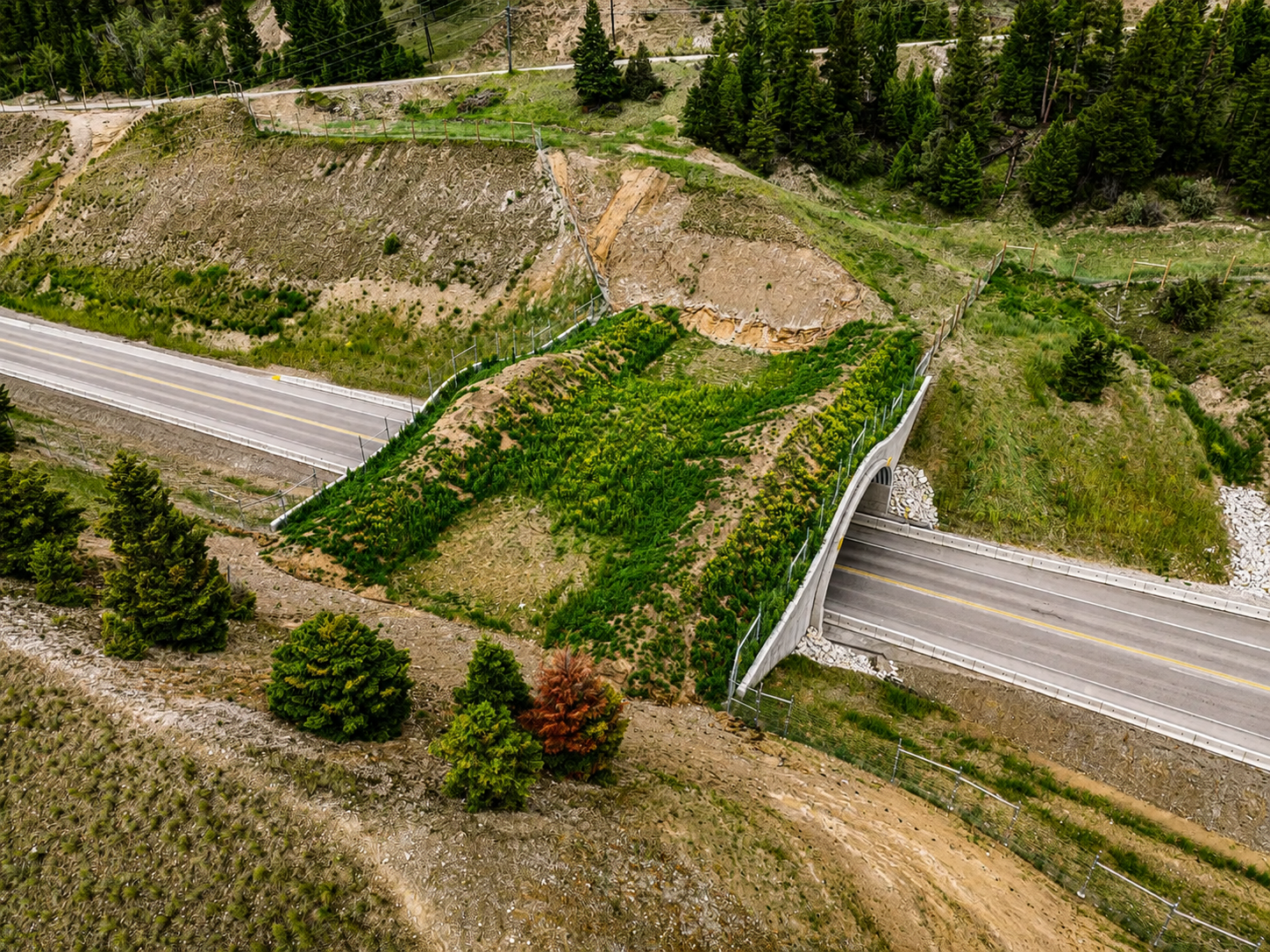
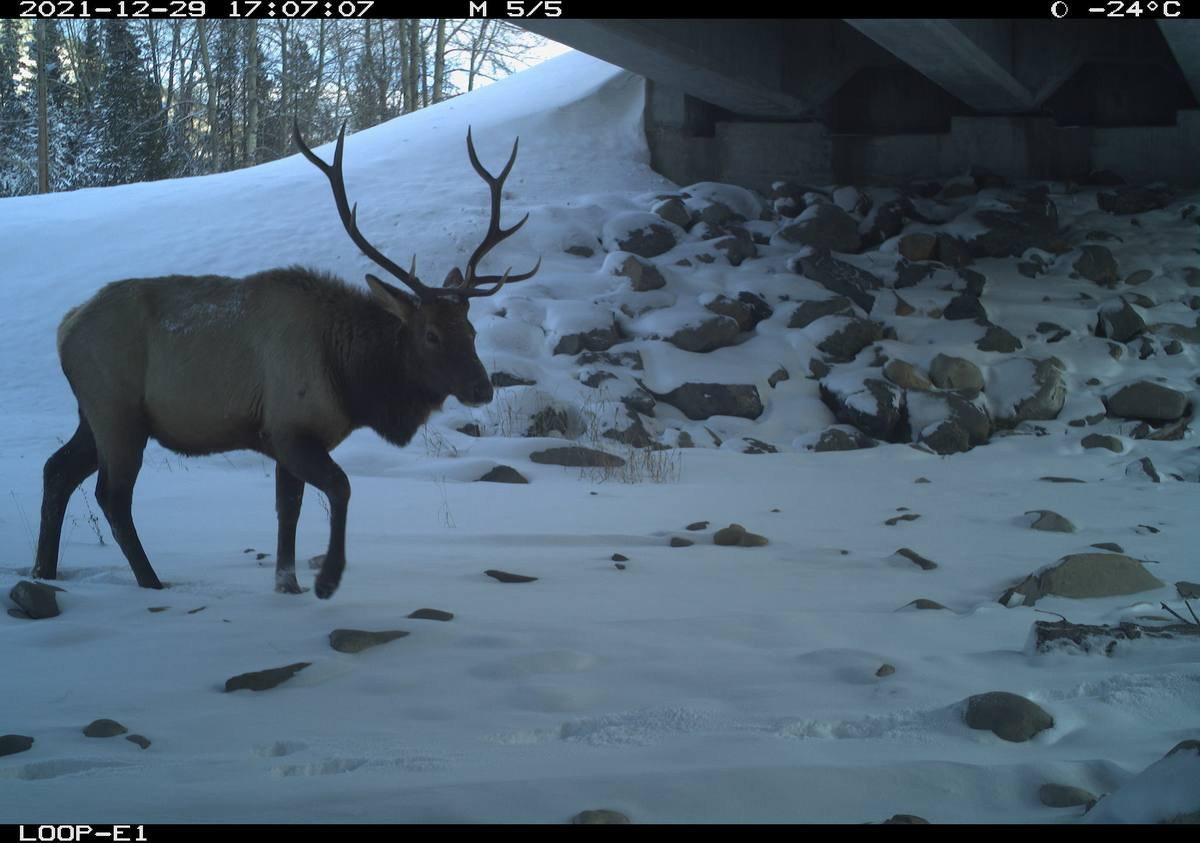
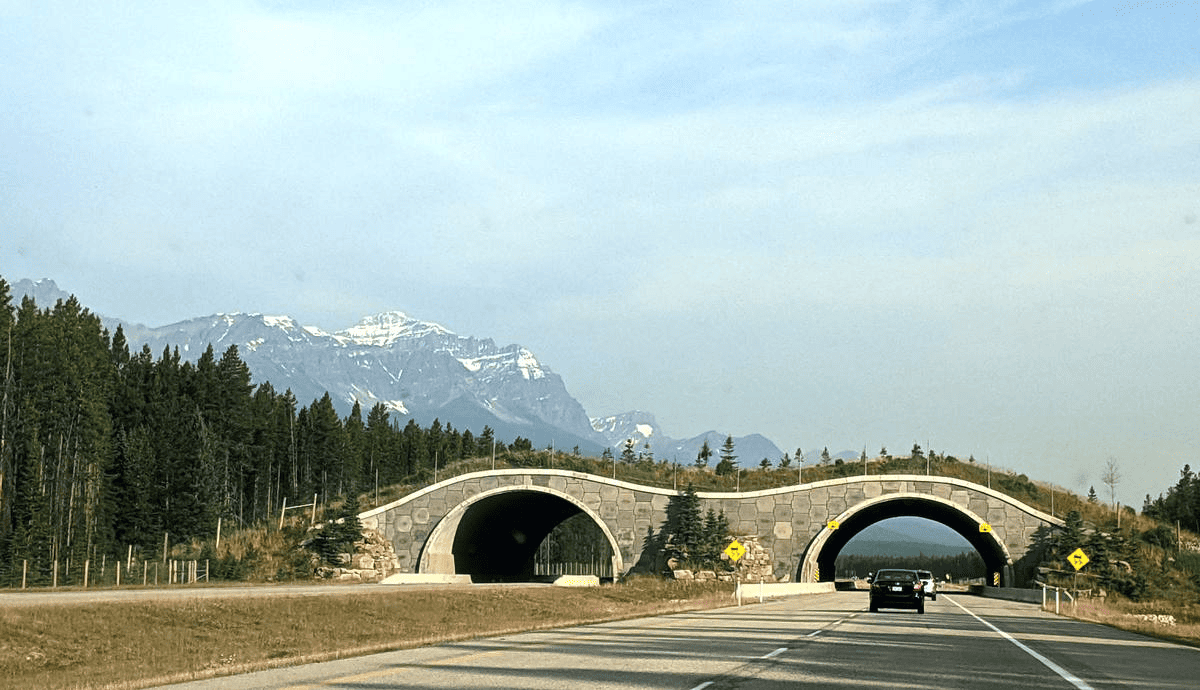
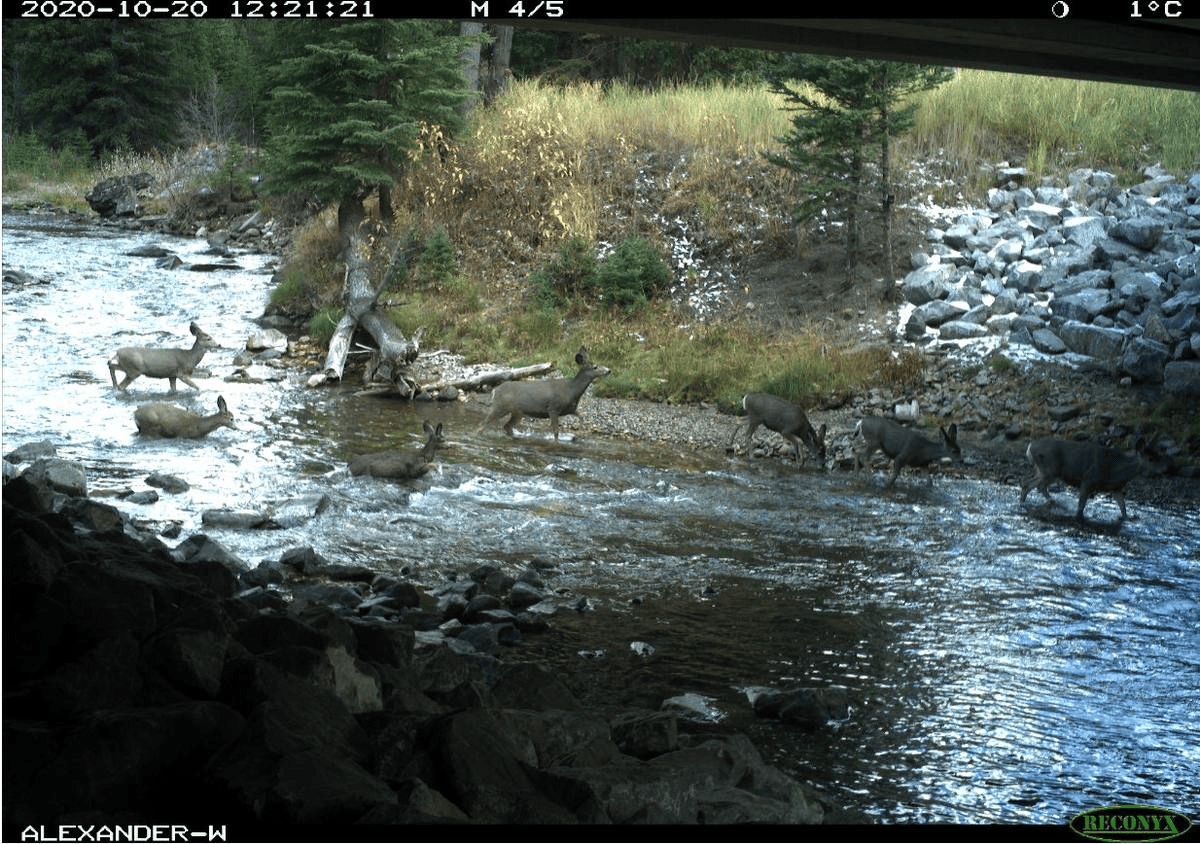
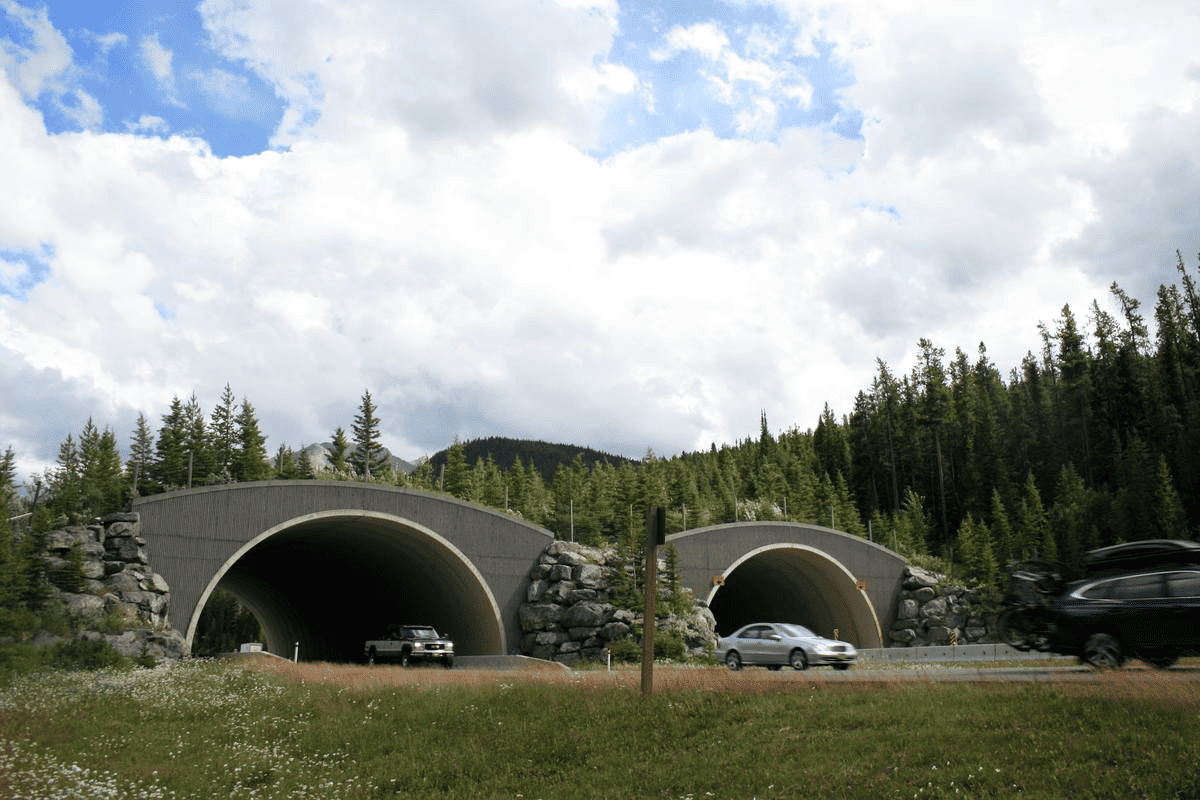
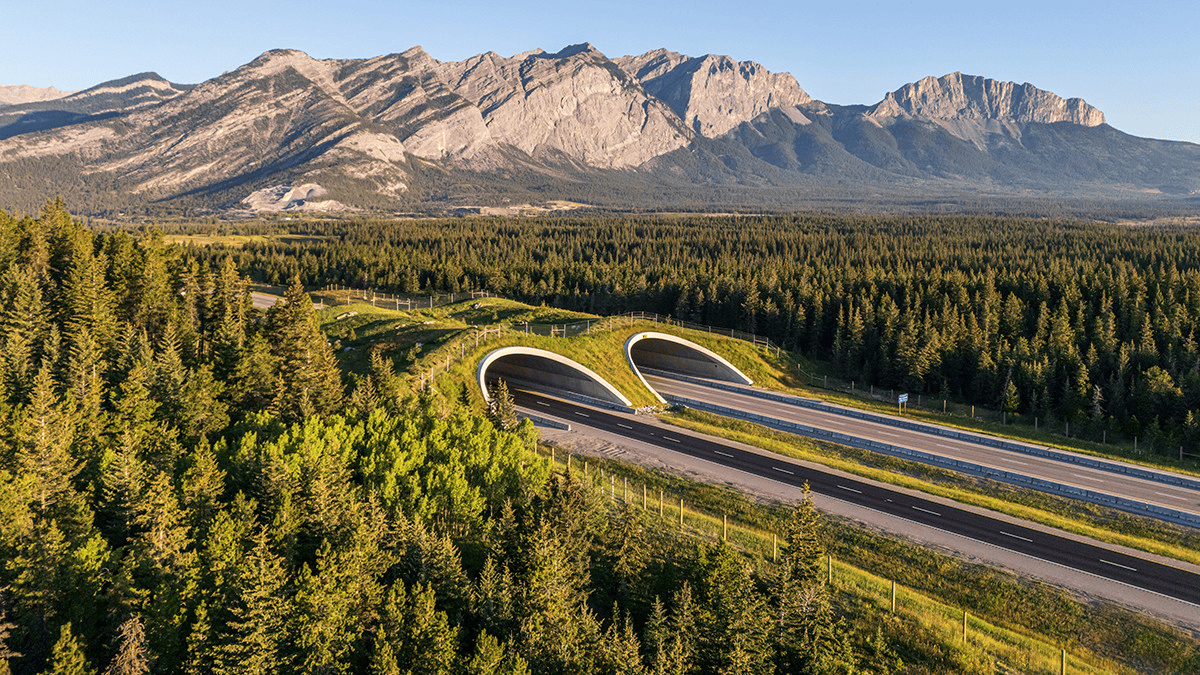
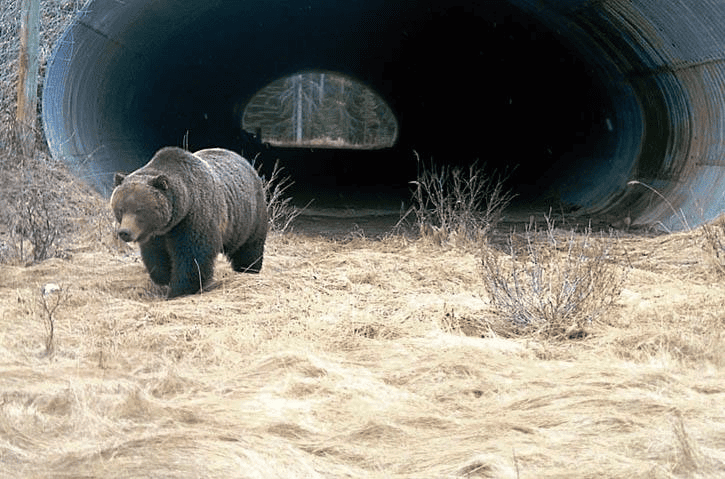
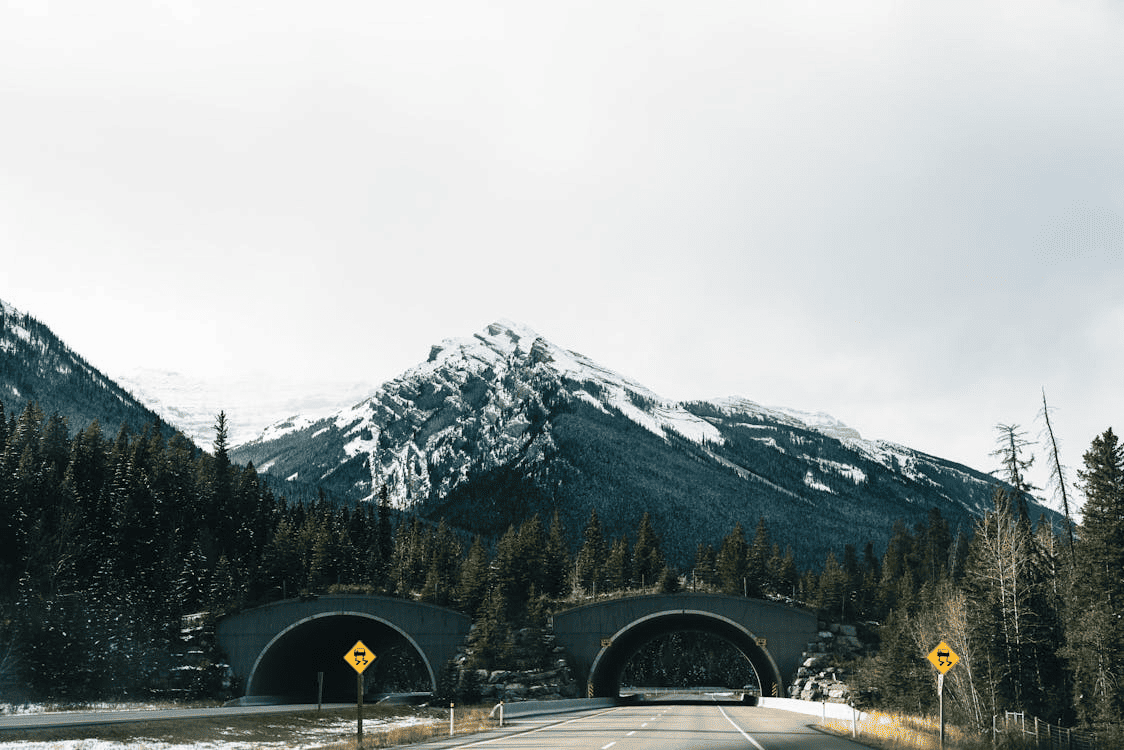
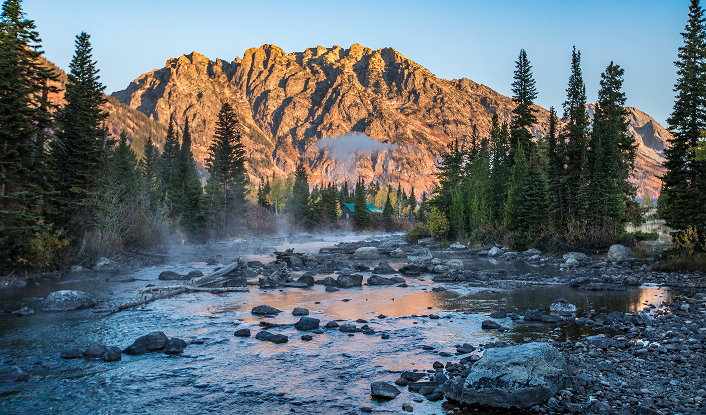
Y2Y works to protect crucial habitats, create protected areas (primarily in Canada), and establish safe wildlife corridors through defragmentation actions (mainly in the USA), removing barriers and building overpasses and underpasses, as well as collaborating with local communities to implement actions that benefit both nature and people.

This work represents a collaboration among conservation groups, government agencies, Indigenous governments, landowners, and wildlife scientists.

Existing national, state, and provincial parks form the foundation of the system, while the creation of new protected areas and special management zones provides the additional core areas and corridors needed to complete this network.

All of this is grounded in scientific principles of conservation biology, focal species assessments, and the knowledge of local communities, also with the goal of promoting sustainable economies.


Updates

This is a selection of updates on the project:

• In November 2025, we renewed our partnership with the Yellowstone–Yukon (Y2Y) project until December 2026, supported by a total commitment of 720,000 $CAN.

The Y2Y region now has at least 179 wildlife crossings, with dozens more in the design and planning stages. Some of the key milestones achieved in 2025 are:

  • Alberta, Canada: Trans-Canada Highway, Bow Valley Corridor – First wildlife overpass outside national parks
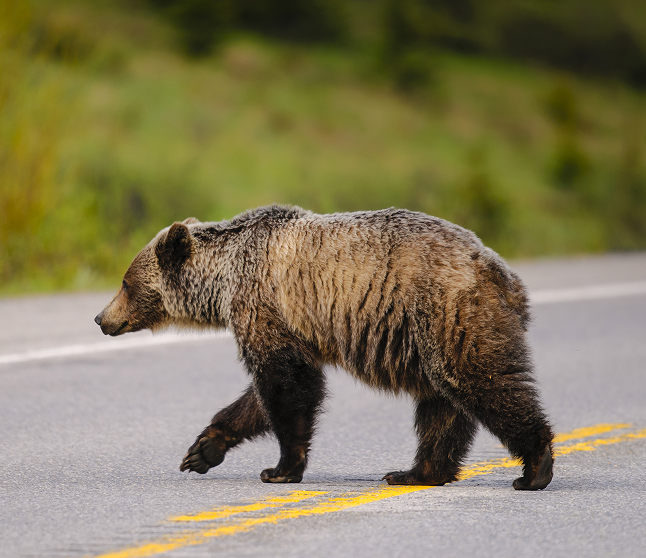
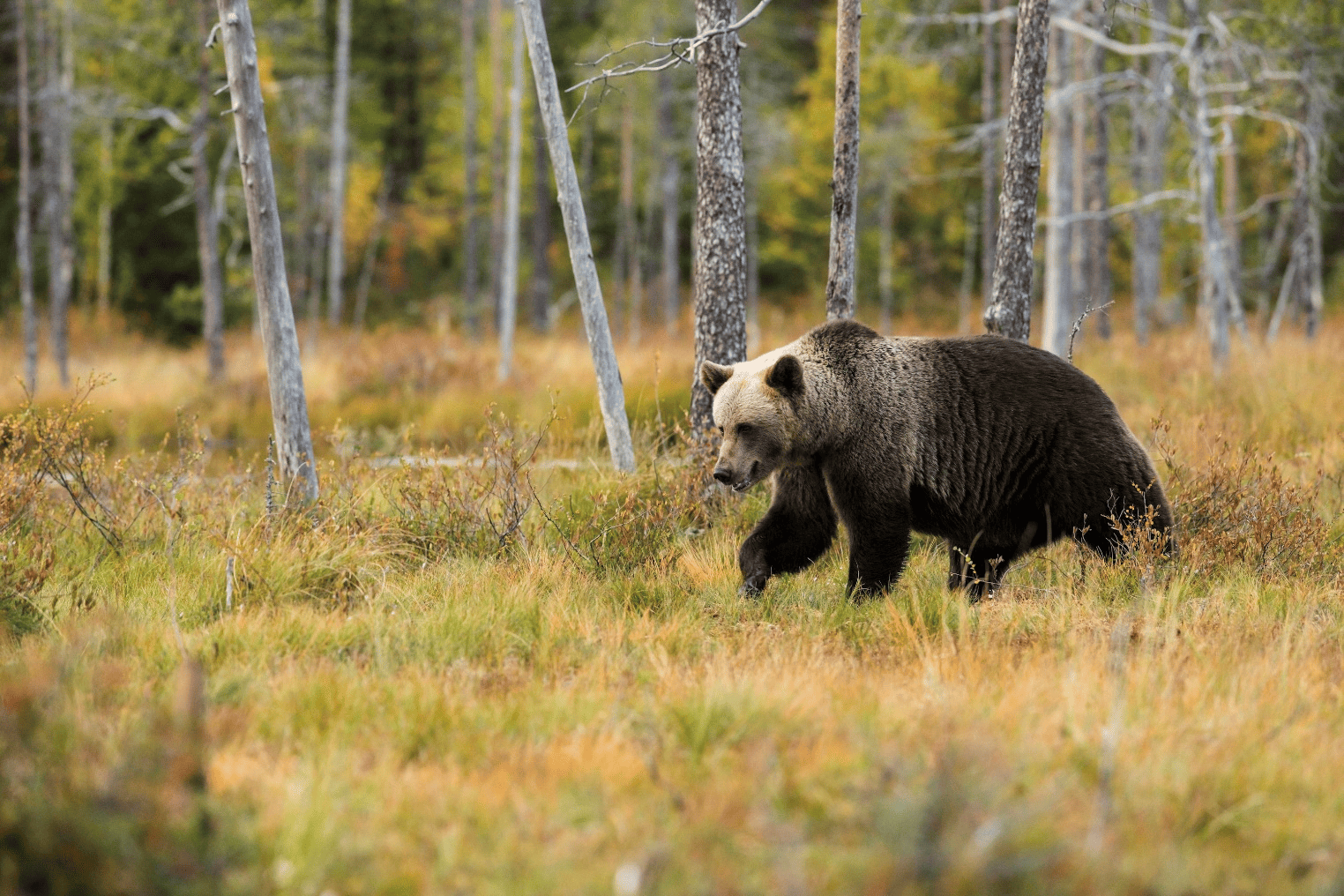
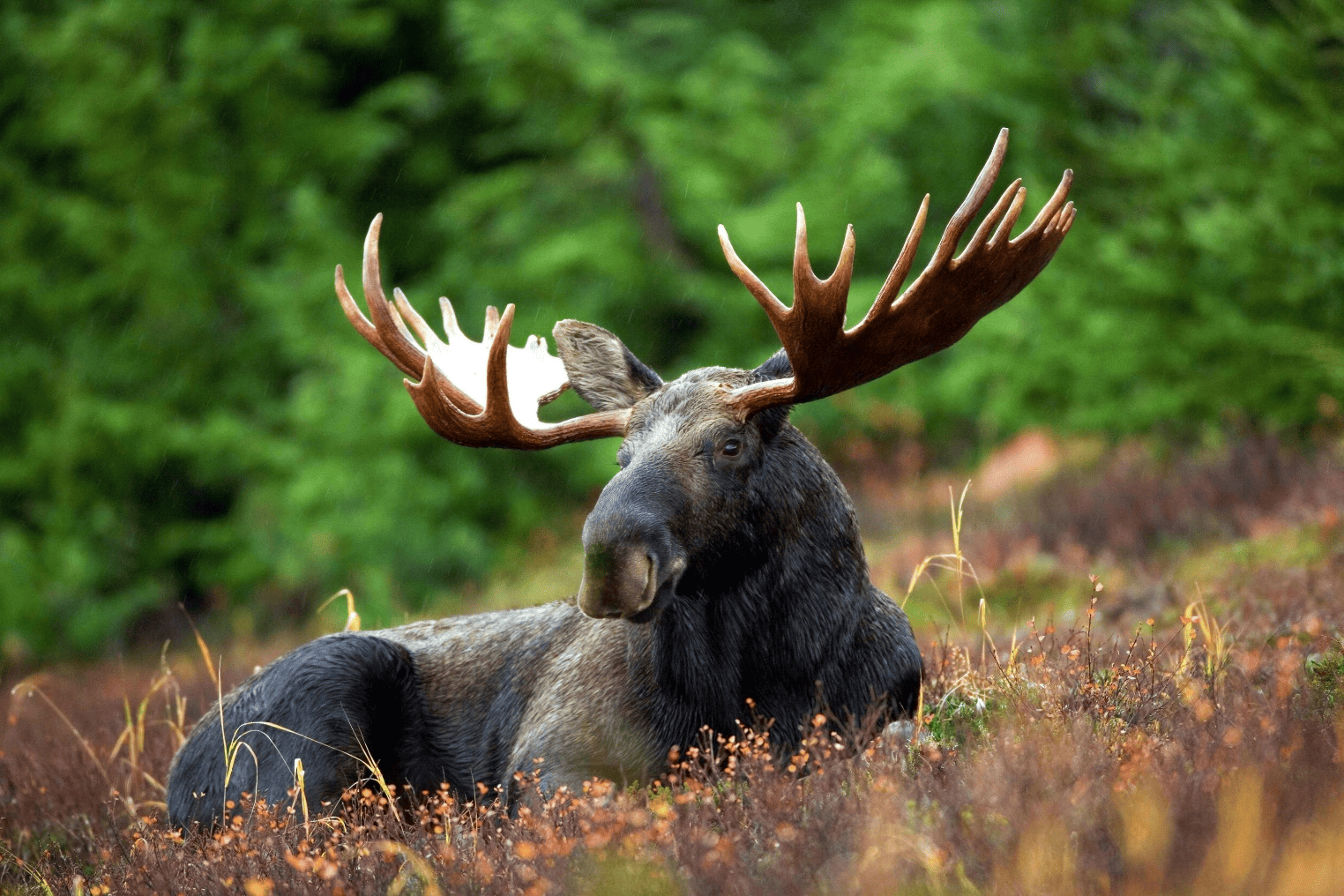
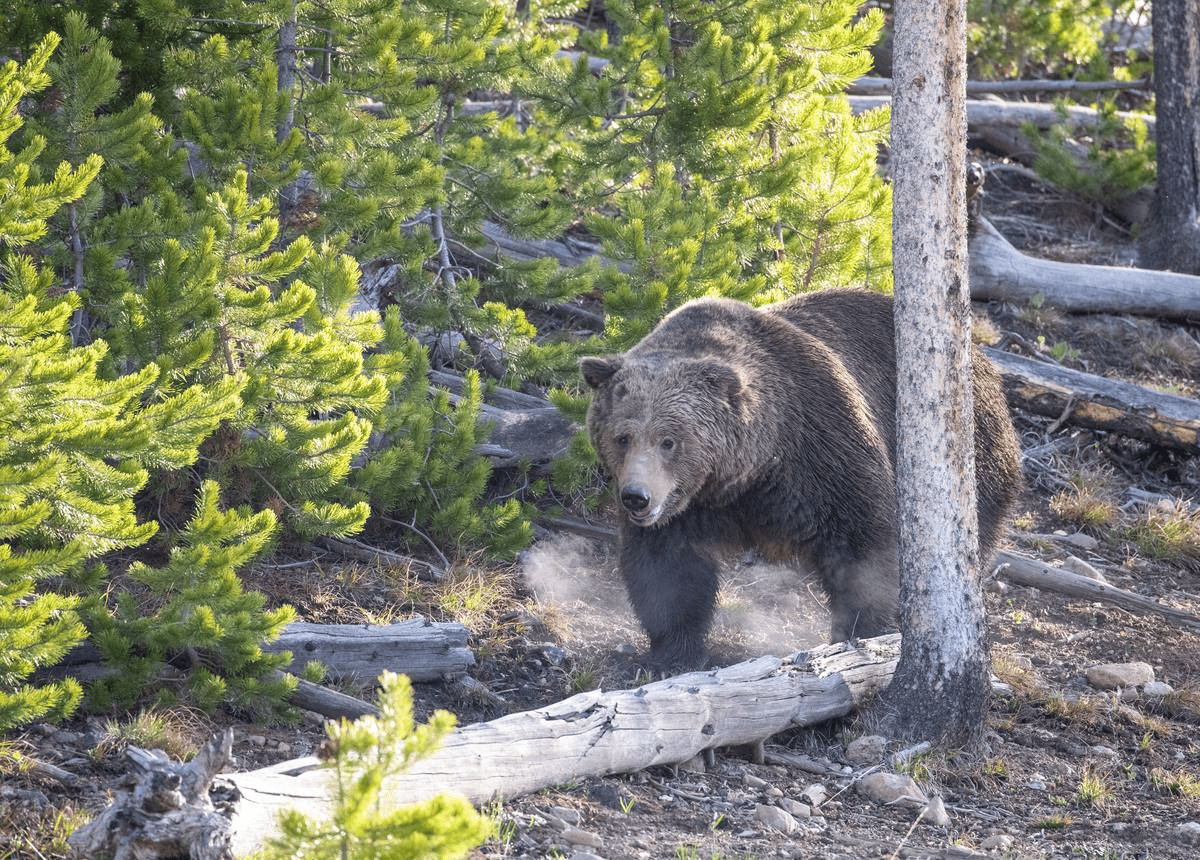
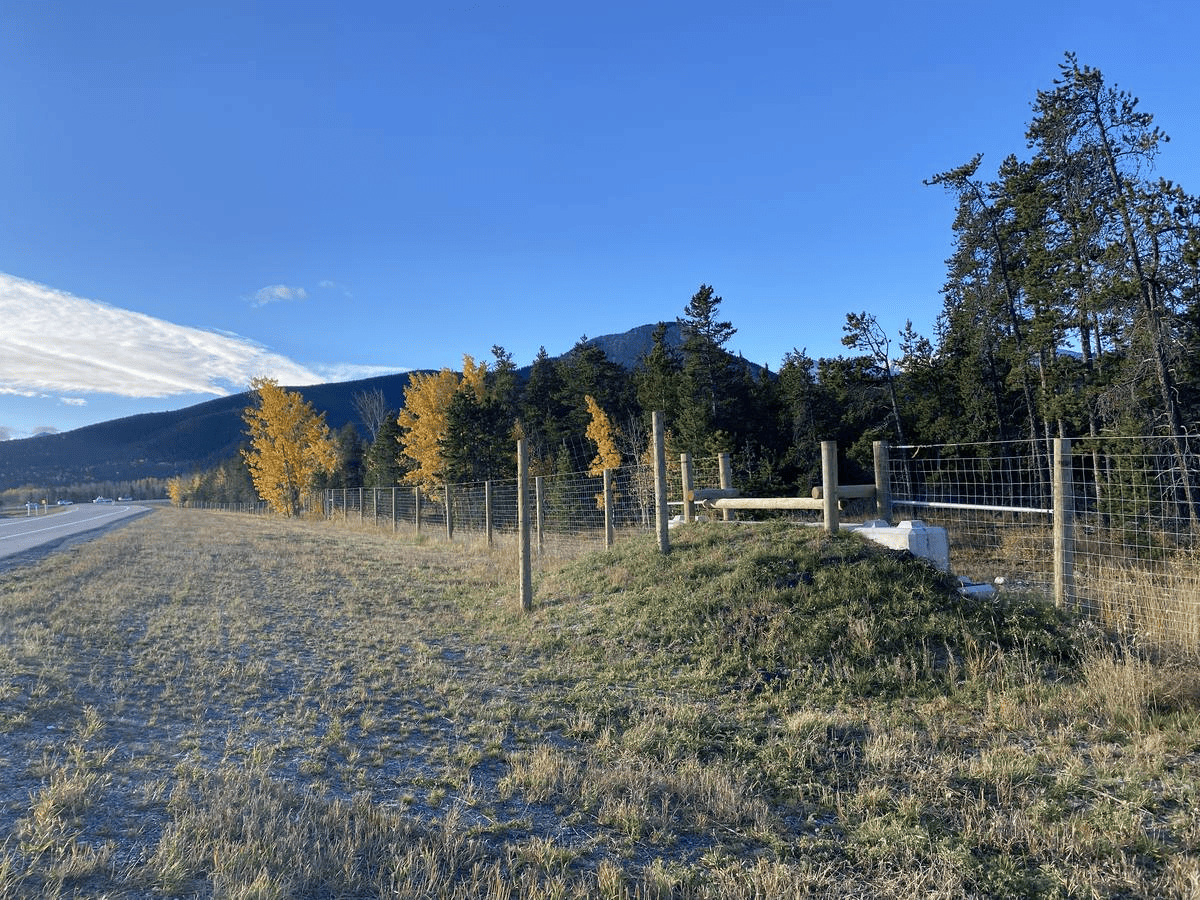
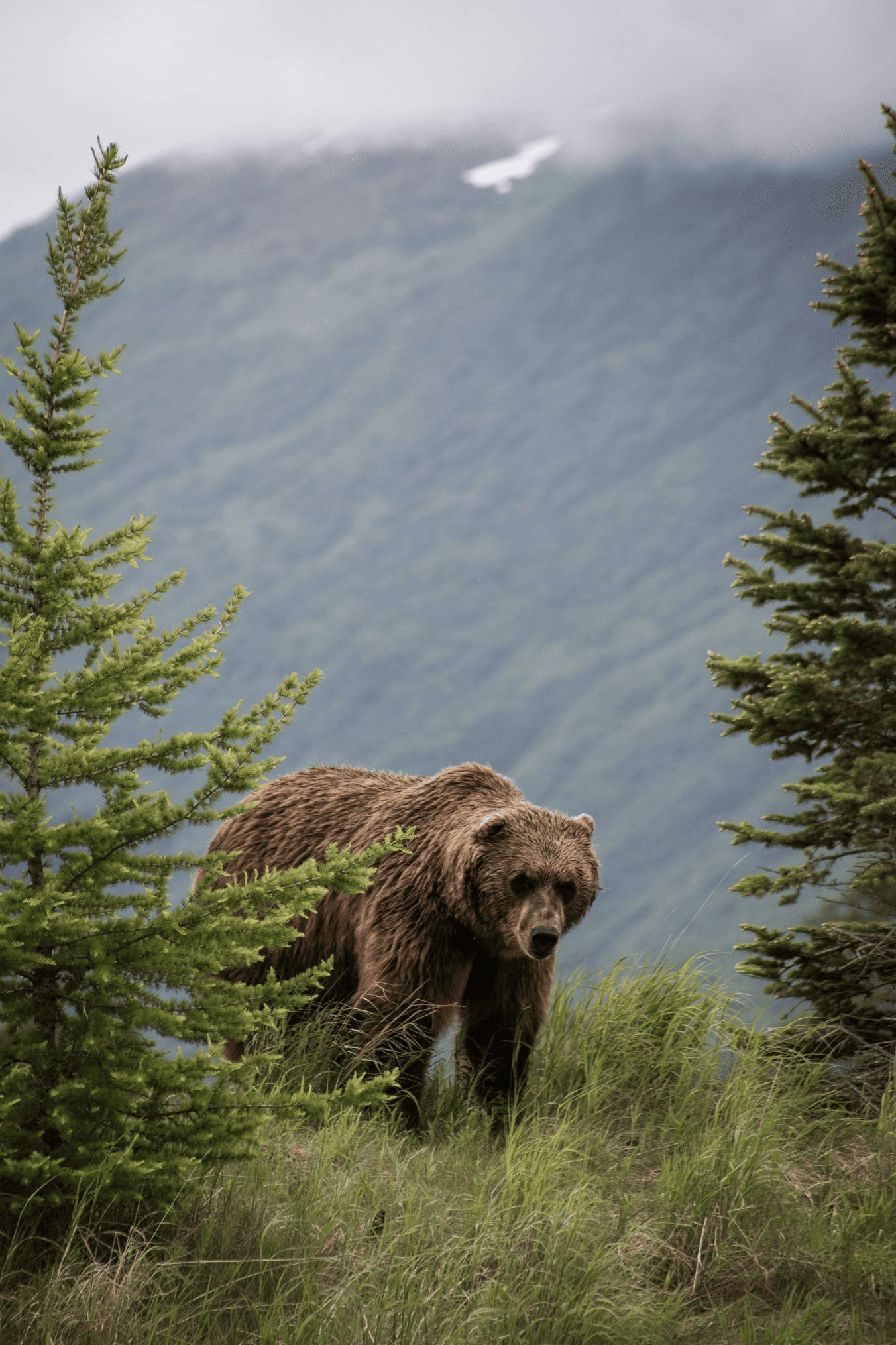
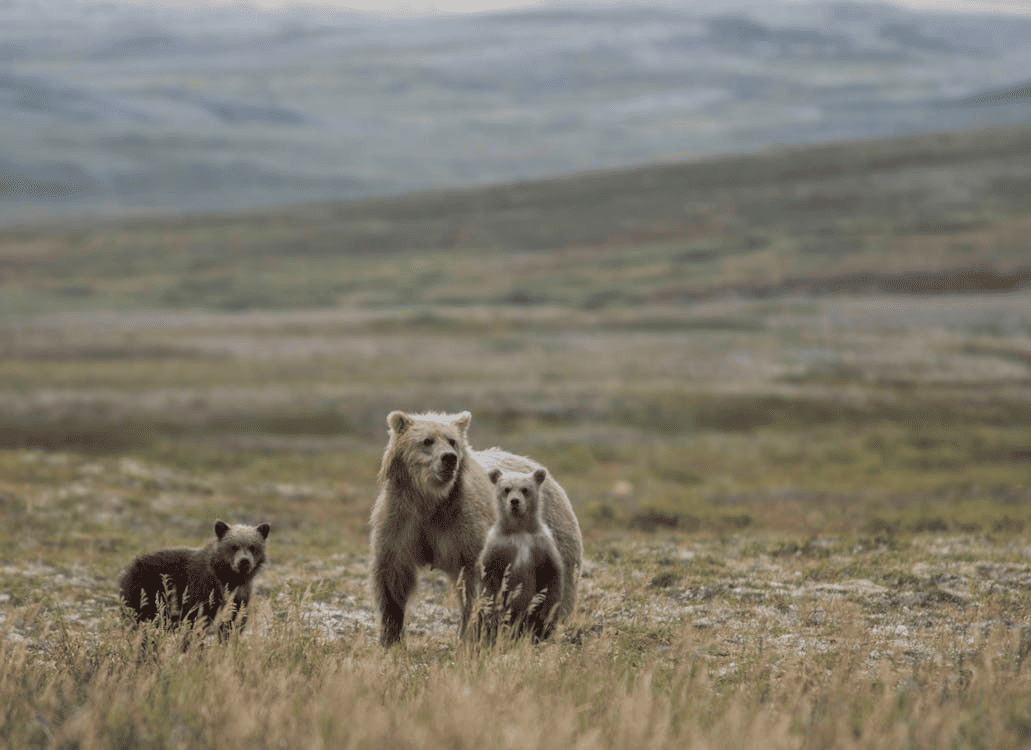
    On 13 June 2025, Alberta opened its first wildlife overpass outside the national park system, east of Canmore. Together with over 11 kilometres of fencing, the structure reconnects landscapes and promotes both wildlife movement and safety. It links mountain forests, river valleys, and alpine ecosystems across 6.3 million hectares, protecting grizzly bears, wolves, elk, moose, and more. The overpass has already reduced vehicle–animal collisions by 50% compared with the previous seven-year average, with further decreases expected as wildlife become accustomed to the new structure.

  • Alberta, Canada: Highway 3 – Long-awaited Rock Creek underpass completed in autumn 2025
    The 15-metre-wide underpass, begun in 2024 near Crowsnest Pass, addresses one of the province’s highest wildlife–vehicle collision areas. It significantly improves connectivity for animal movement.

  • Idaho, USA: McArthur Lake Bridge & Fencing Project completed
    This project involved realigning a section of highway to improve safety, removing material under a bridge to increase wildlife passage, and installing over 1 kilometre of fencing to guide animals safely beneath the bridge.

  •  Idaho, USA: Osburn–Silverton crossings on I-90 activated
    Y2Y supported a community-led effort to transform an old vehicle bridge along a busy motorway into a wildlife crossing, complemented by over 1 kilometre of guiding fencing. The completed project now serves as a vital corridor across one of the busiest motorways in the United States.

In 2025, Y2Y supported 12 projects advancing the protection of around 25 million acres of wildlife habitat. Key milestones in landscape protection include:

  • Yukon Territory, Canada: Feasibility study confirms potential new national park
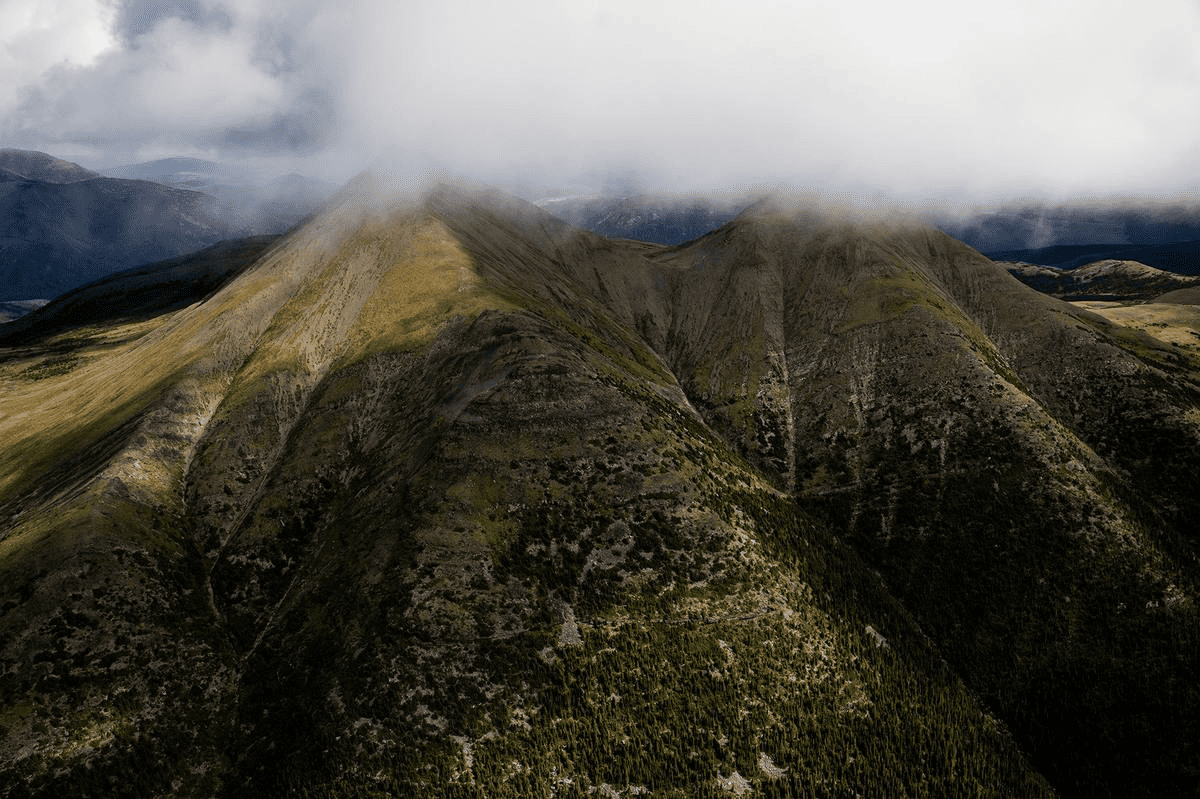
    A 2025 assessment validated the creation of a national park in the Peel River watershed, covering nearly 300,000 hectares. Led by Indigenous leadership, the next step is formal negotiations to protect one of Canada’s largest intact ecosystems.

  • British Columbia, Canada: Process launched to protect land
    In June 2025, the British Columbia government and First Nations launched a 12-month accelerated land-use planning process. This approach recognises Indigenous management visions and has the potential to protect over 13 million acres of land for future generations—roughly the size of Greece.
Y2Y
Y2Y
Y2Y

Partner

Yellowstone to Yukon Conservation Initiative (Y2Y®) is a collaborative effort between a U.S. non-profit organisation and a Canadian public charity that together connect and protect habitat from Yellowstone to Yukon so people and nature can thrive.


Y2Y_CenteredLogoLineCentre_B (preferred)


Project data


cal

DURATION

From January 2025 - indefinitely

invest

OUR INVESTMENT

720,000,00 $CAN from January 2025 to December 2026