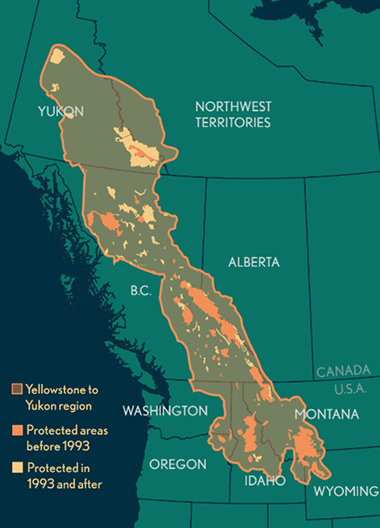



Area of intervention
One third of the project is therefore located in the United States and two thirds in Canada.
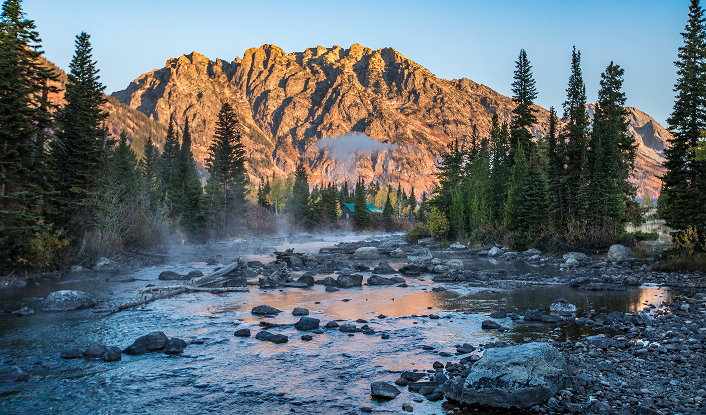
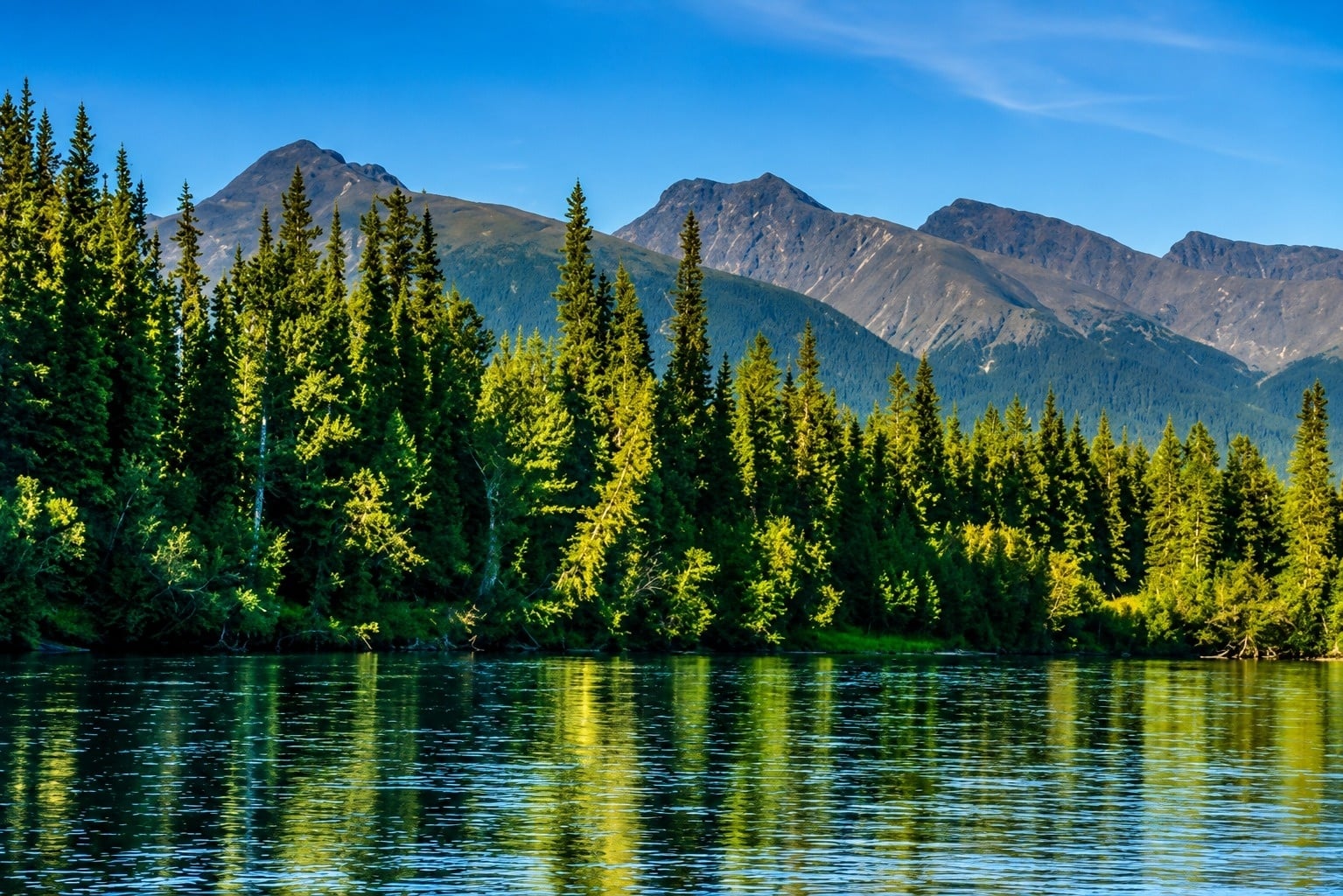
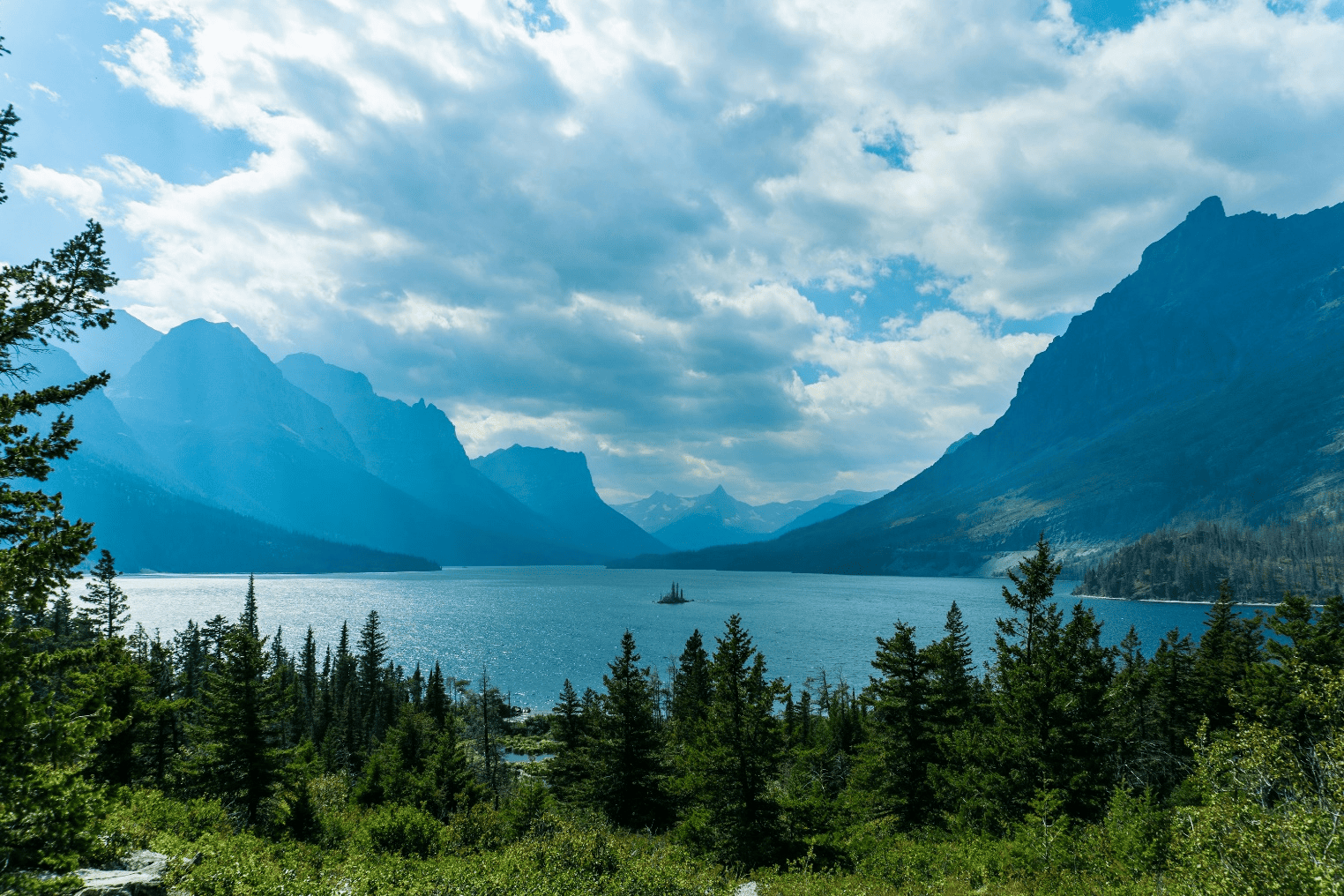
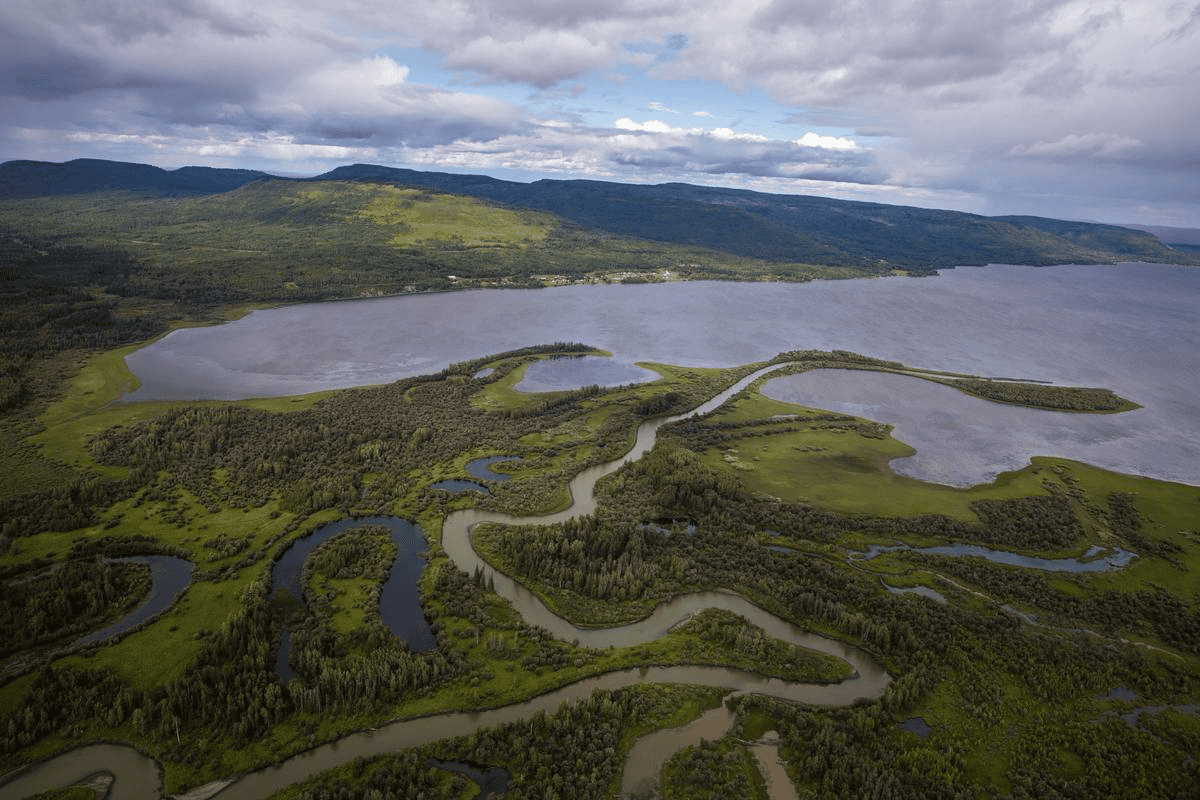
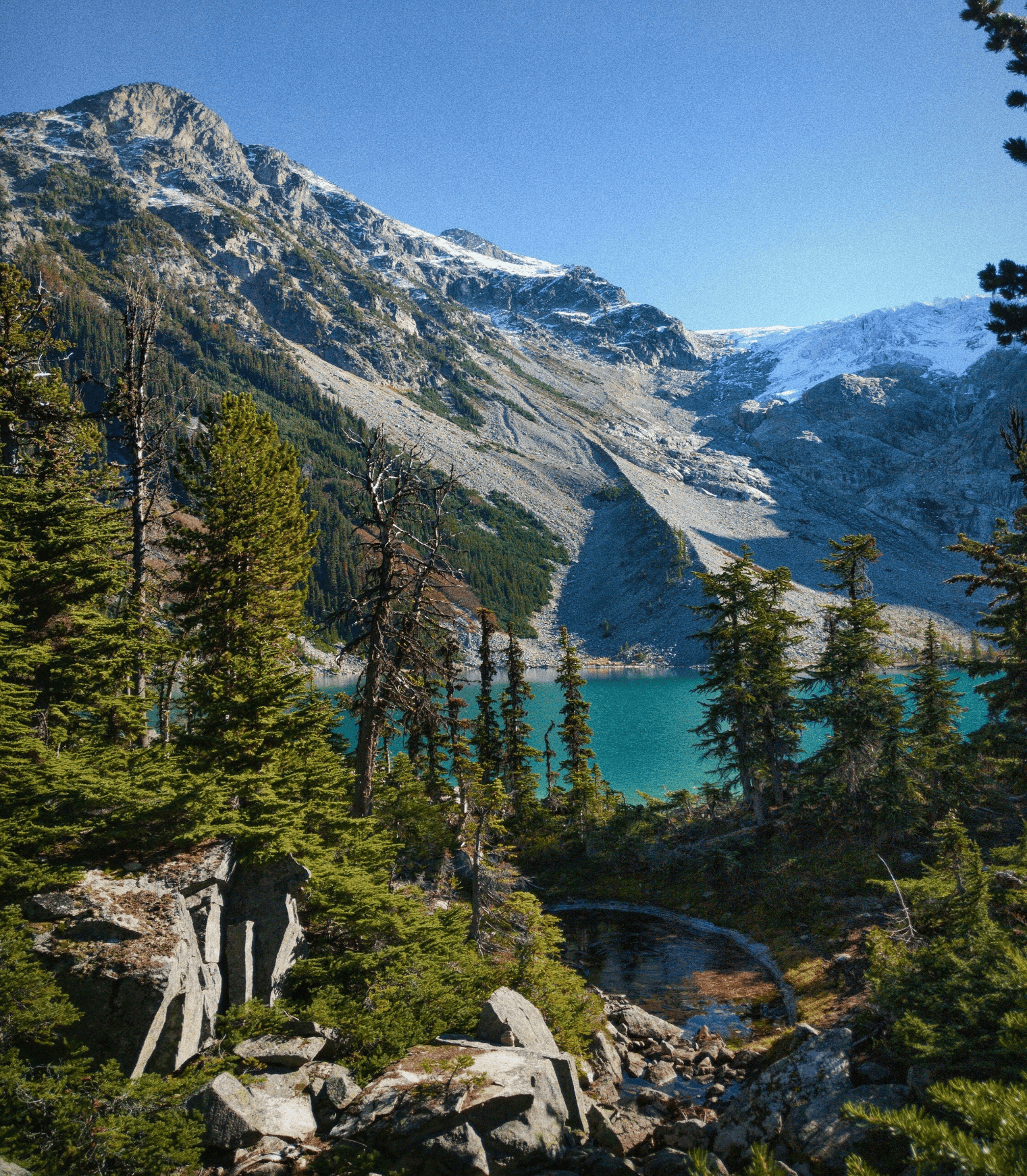
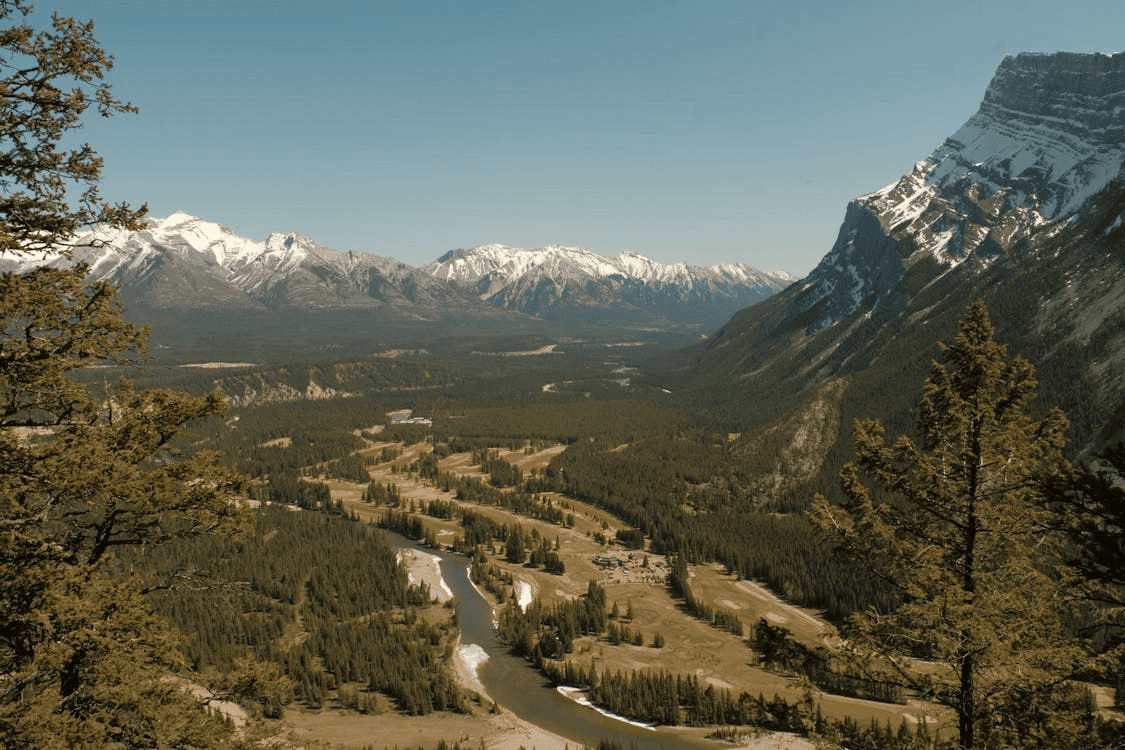
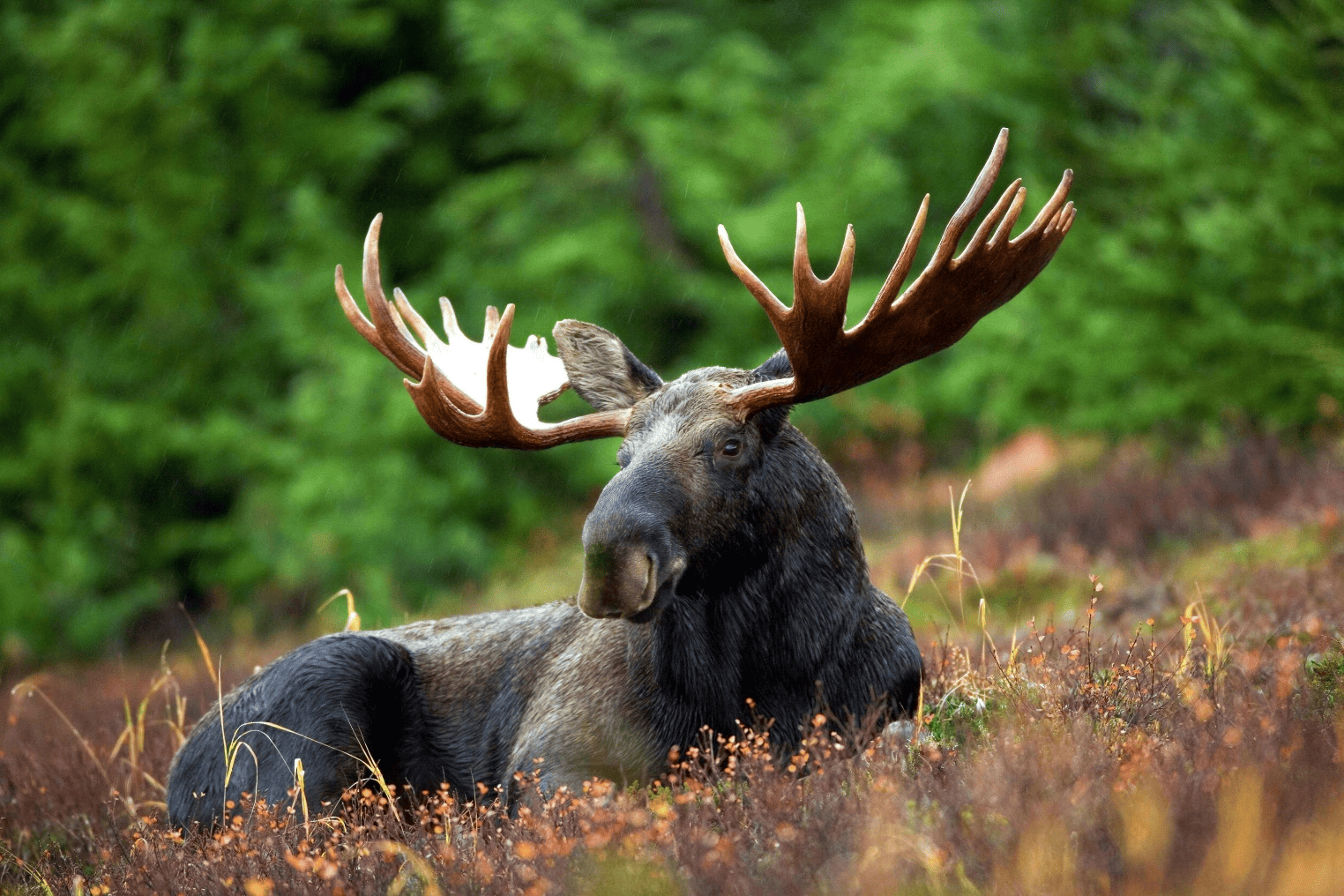
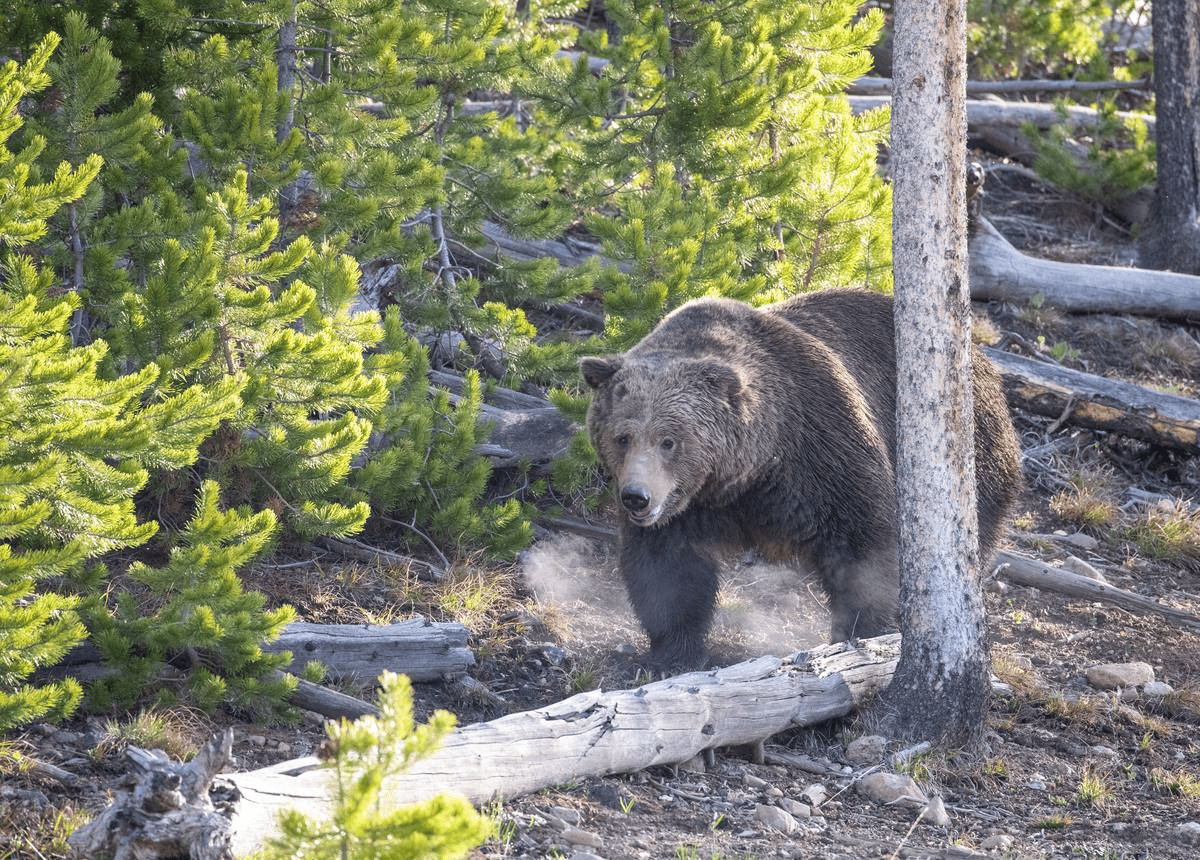
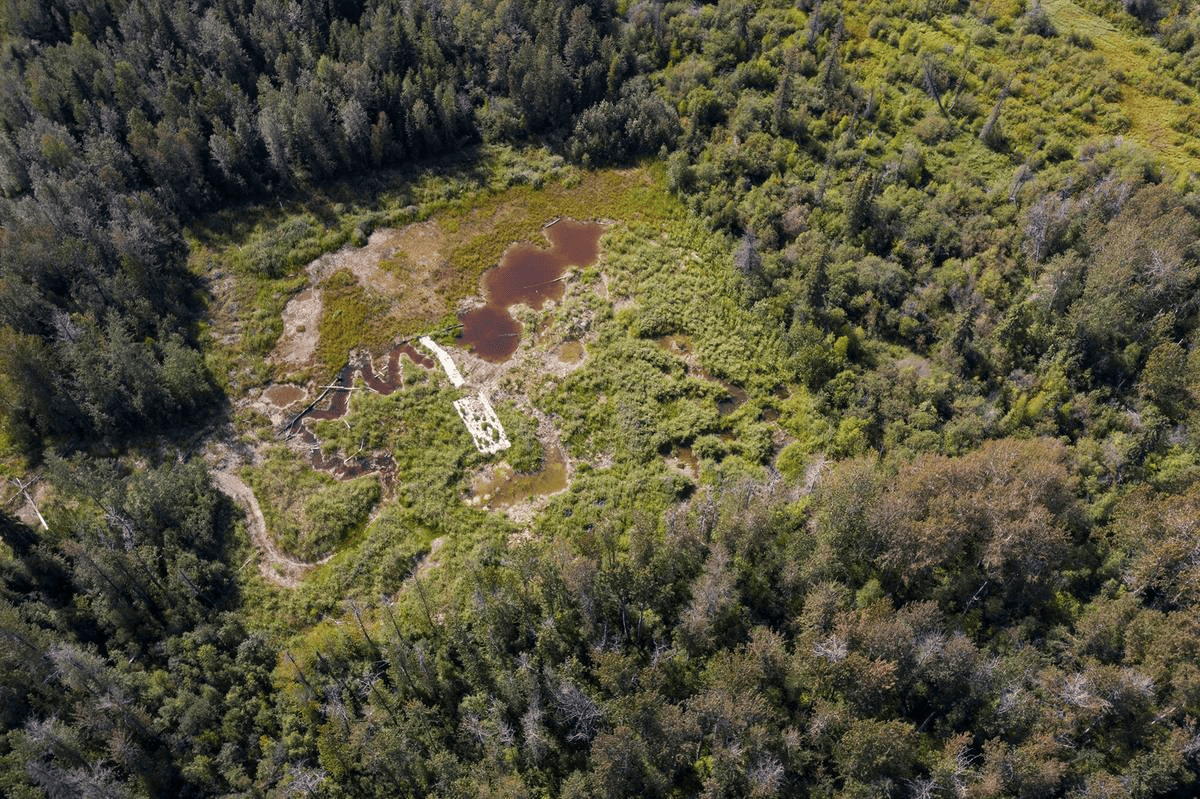
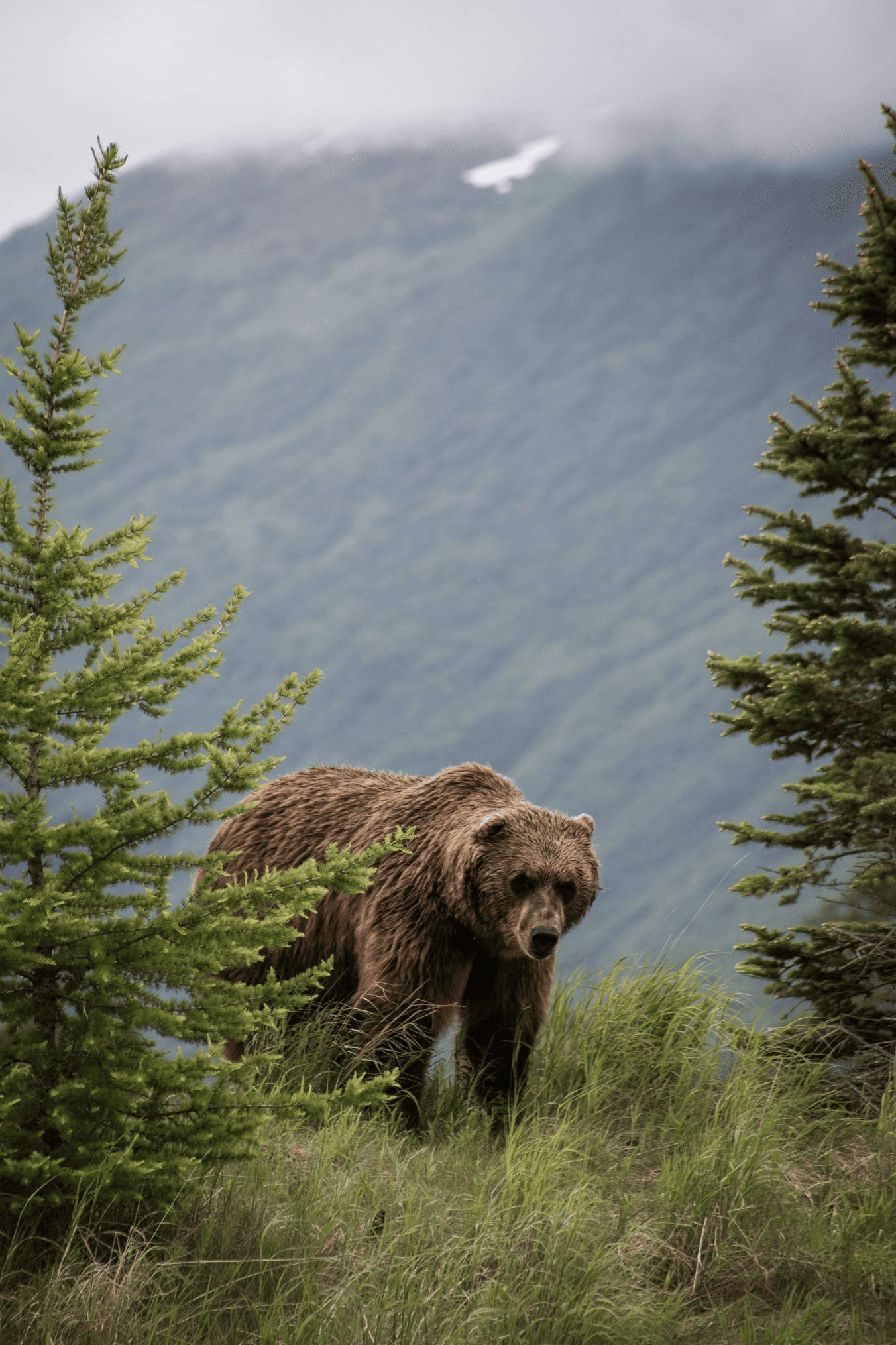
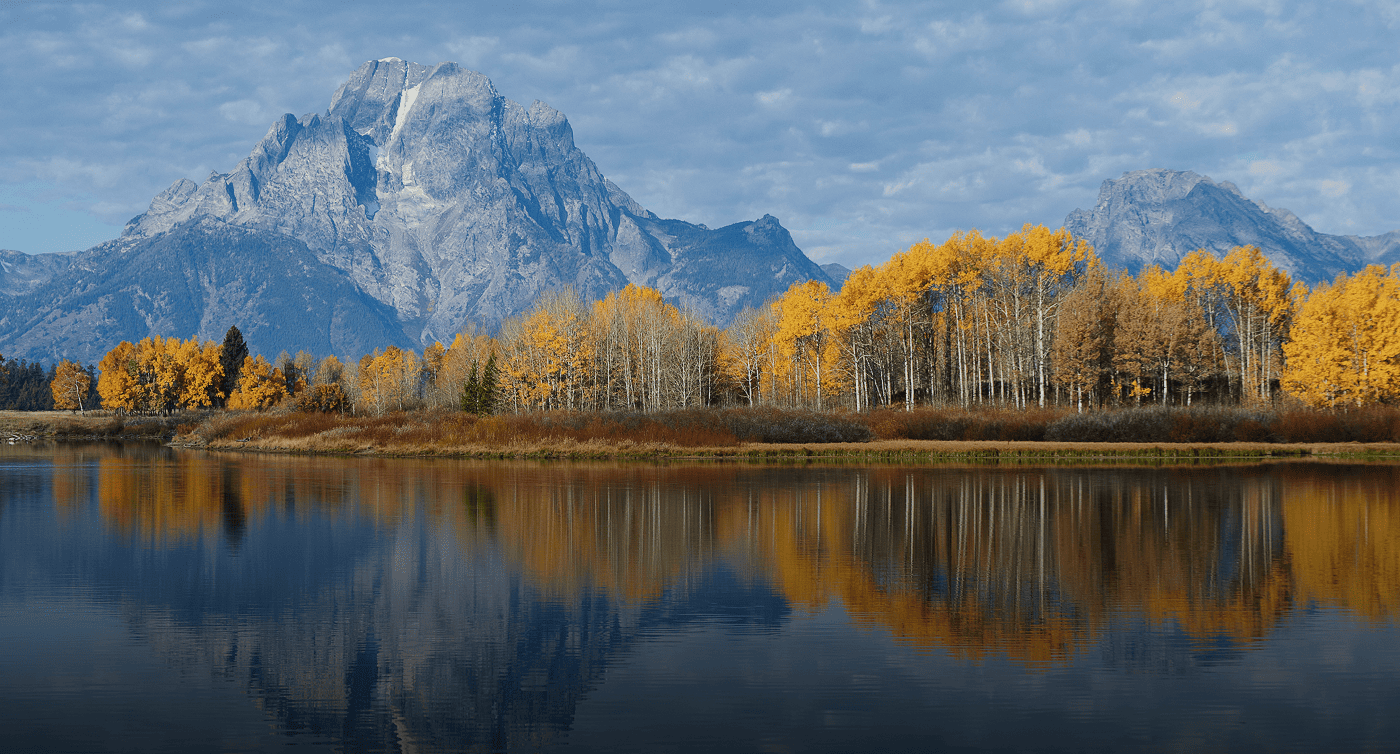
Since 2025, Fondazione Capellino has supported Yellowstone to Yukon (Y2Y), a project that protects and connects 3,400 km of habitat between the United States and Canada through biodiversity corridors along the Rocky Mountains.
Objective
Starting in January 2025, Fondazione Capellino is supporting an ambitious conservation project: the creation of a vast biodiversity corridor stretching between the United States and Canada.
The goal of the Yellowstone to Yukon (Y2Y) project is to connect and protect an extensive 3,400km area between Yellowstone National Park in the United States and the Yukon Territory in Canada.
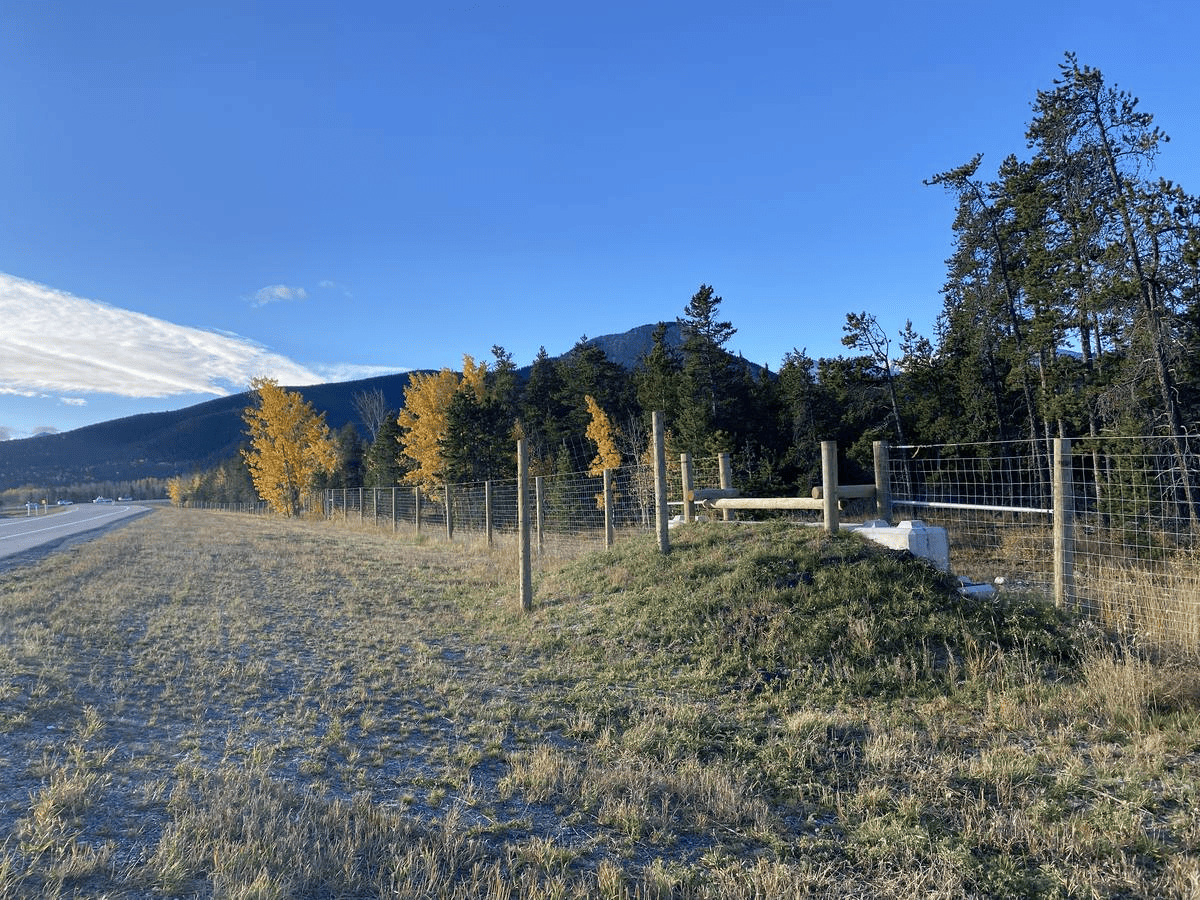
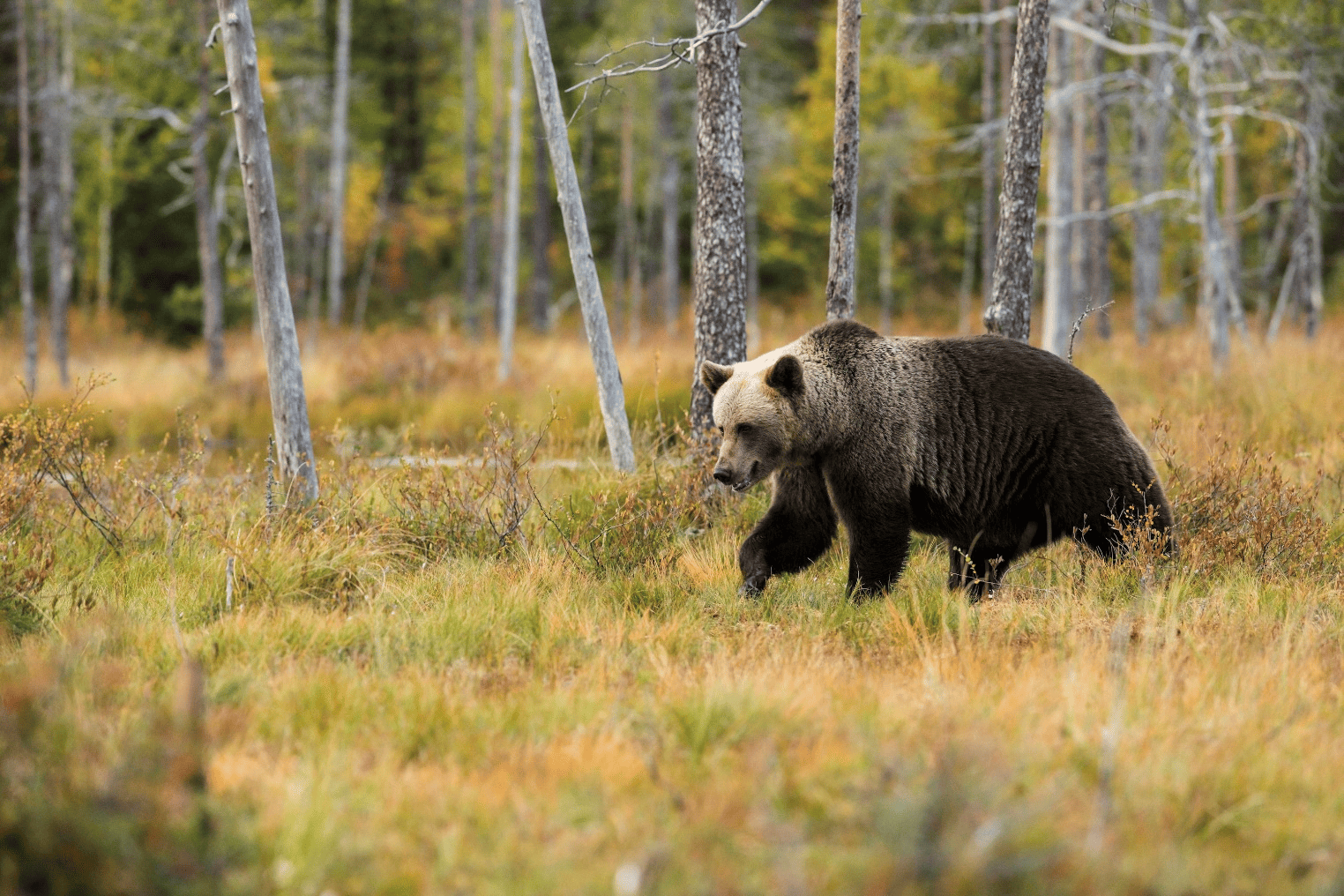
Y2Y is committed to large-scale conservation, preserving the integrity and restoring the connectivity of habitats along the Rocky Mountain range, from the Greater Yellowstone Ecosystem to the Yukon Territory.
Through a system of wildlife corridors, central protected areas are connected and new buffer zones are created to further safeguard the system from the impacts of industrial and urban development.
Start: January 2025
End: indefinite
720.000,00 $CAN
The main developments of the Y2Y initiative, from 2024 to today. Use the arrows or the bar at the bottom to navigate.
On March 31, 2026, the Canadian federal government announced A Force of Nature, its new strategy for protecting 30% of land and water by 2030. It includes CA$ 3.8 billion in new funding, up to 10 new national parks, 15 national urban parks and 4 national wildlife areas. Y2Y, together with the Green Budget Coalition and through advocacy work in Ottawa, helped make connectivity and funding for new protected areas central priorities.
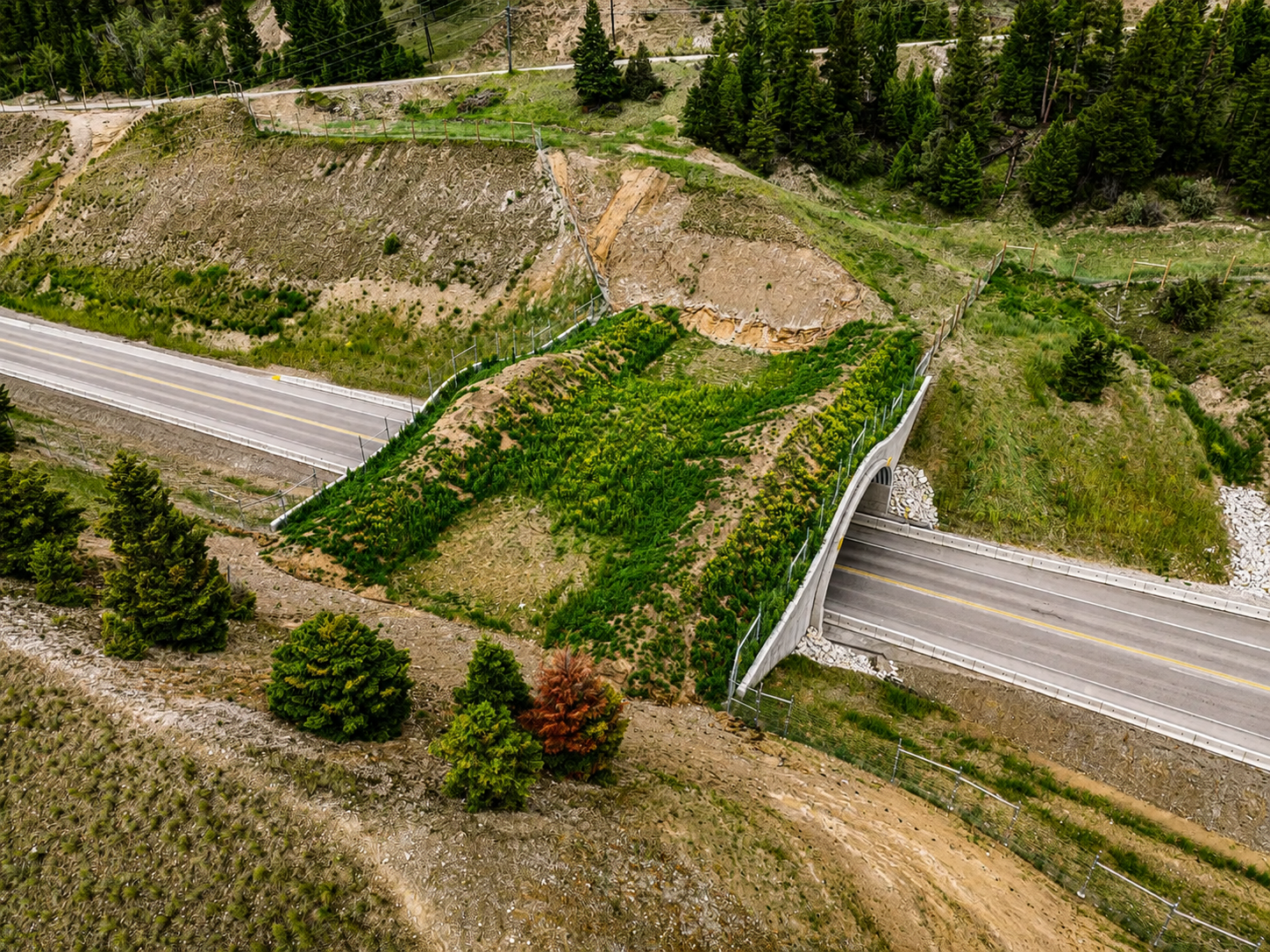
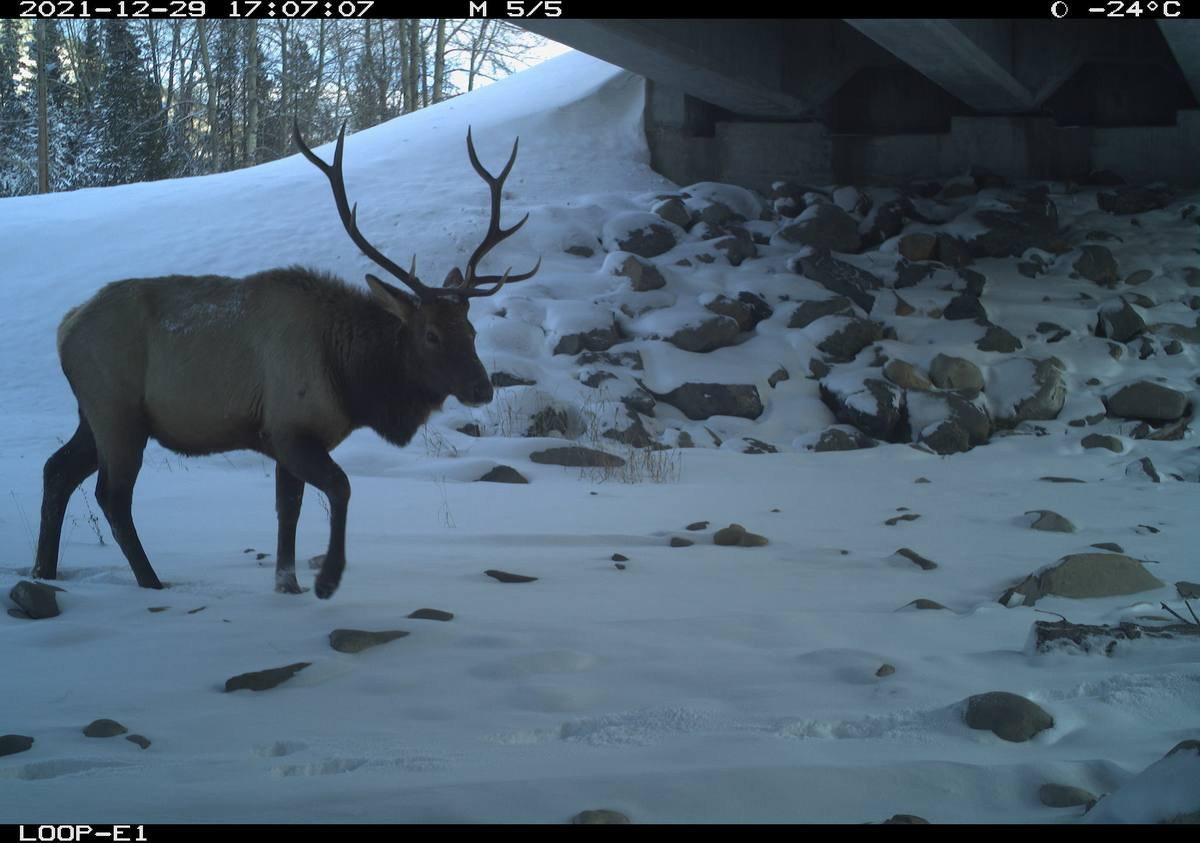
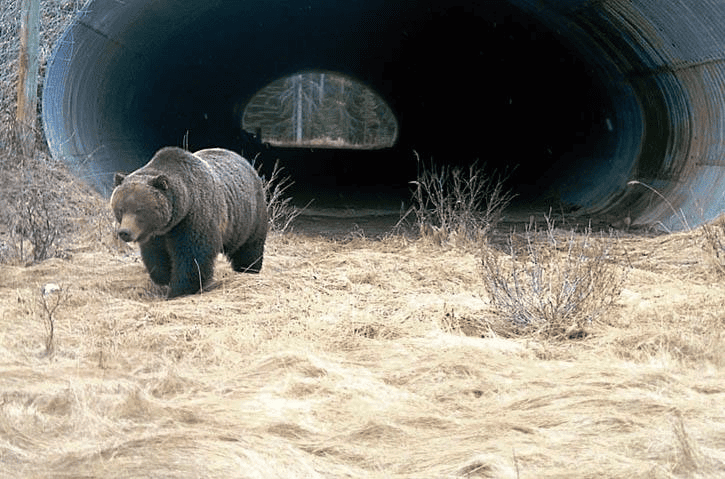
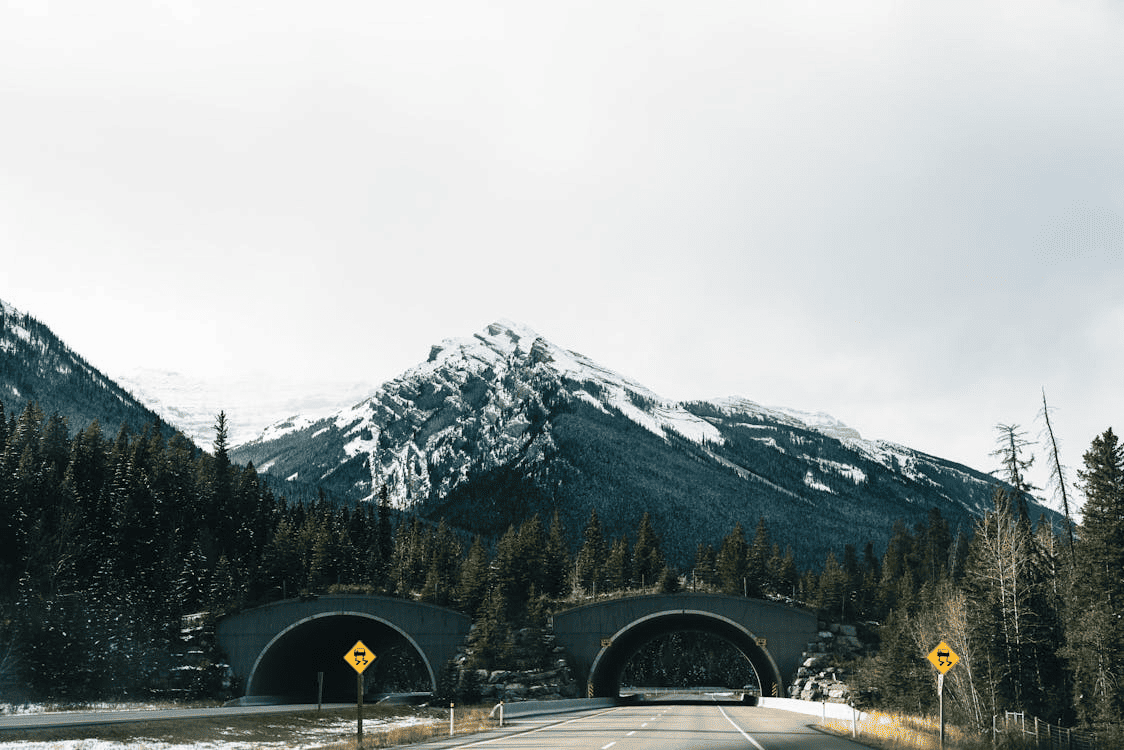
As of January 31, 2026, the semiannual count of completed wildlife crossings in the Y2Y region increased to 204, up from 179 reported in August 2025. The update includes structures built or adapted to improve passage for terrestrial species, as well as new sections of fencing that guide animals toward crossings. Completed projects include Osburn in Idaho, Drummond–Gold Creek in Montana, Rock Creek on Highway 3 in Alberta, and Wilson in Wyoming.
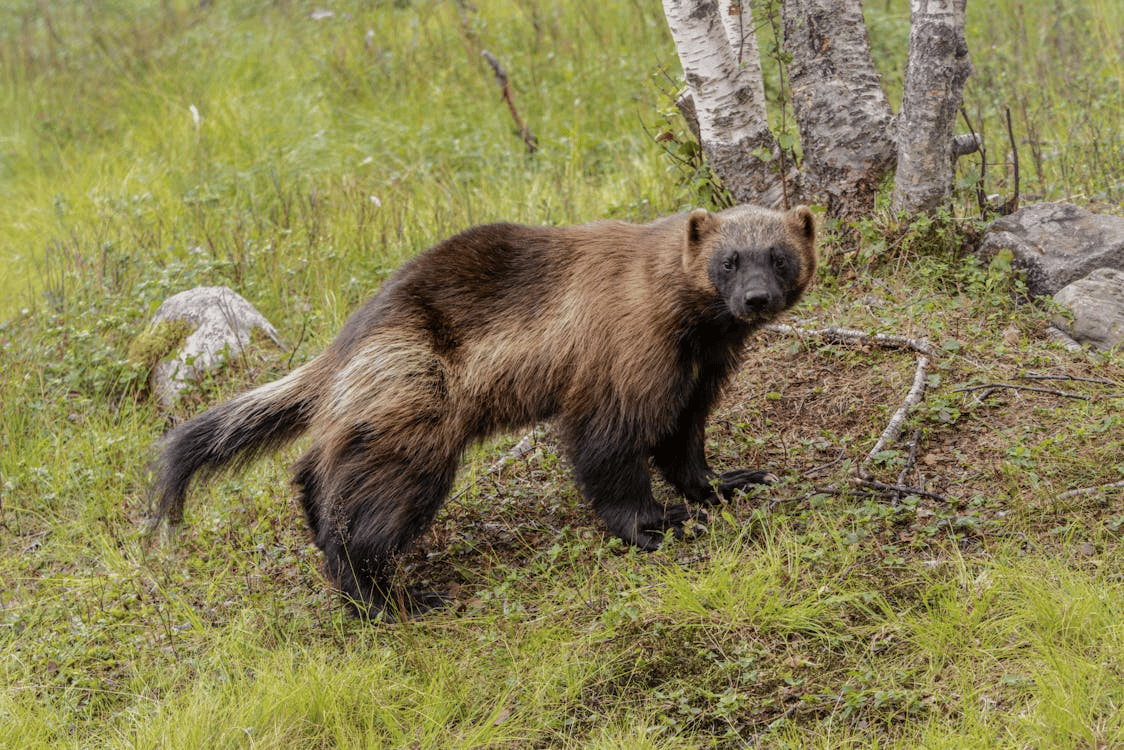
The Wolverine Project study in Ktunaxa territory, led by Y2Y’s Nikki Heim as principal author, was covered by Canada’s National Observer and nearly 60 media outlets, with a potential reach of about 4 million people, showing how a proposed resort would threaten a critical ecological corridor.
The Y2Y-supported petition to twin the 40 km section of Highway 1 through Yoho National Park received enough signatures to be tabled in Parliament. The project includes 24 wildlife crossings and fencing to reduce road mortality.
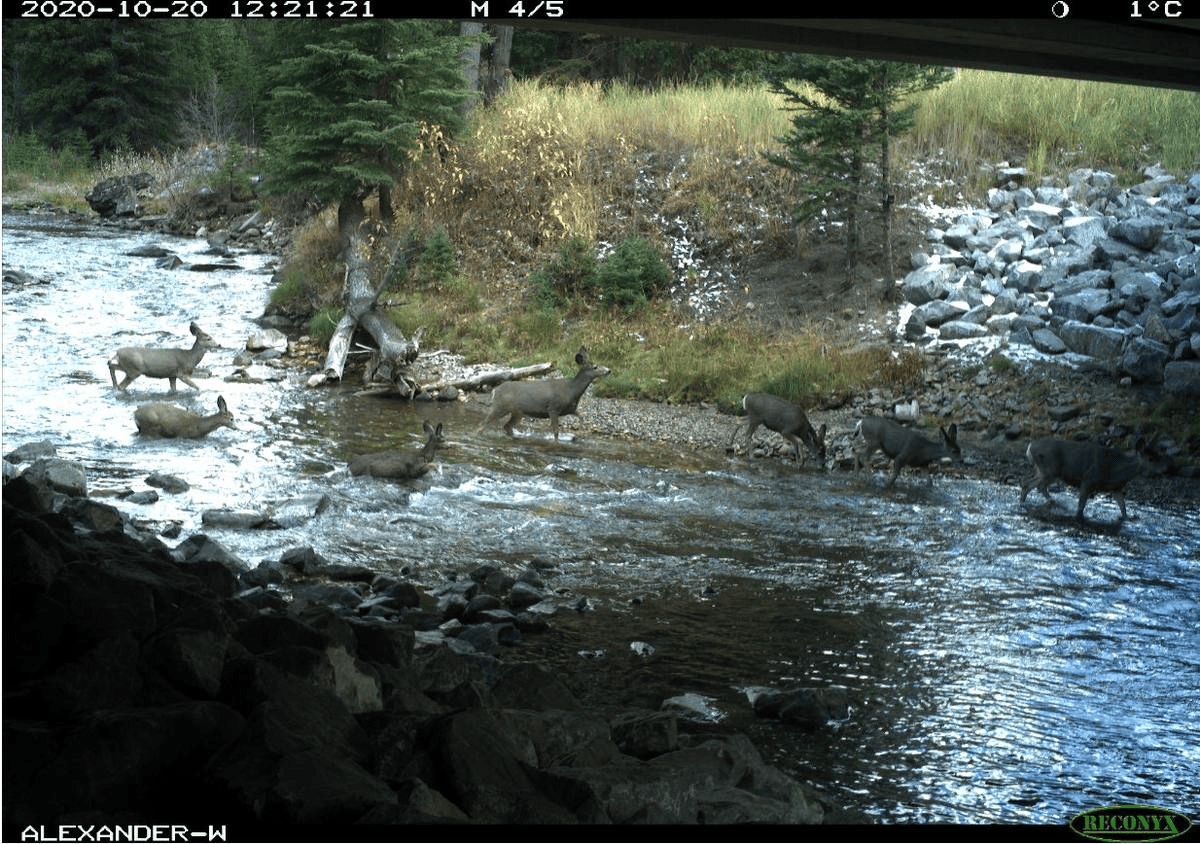
The I-90 wildlife crossings between Osburn and Silverton, built by converting an old abandoned bridge, are now operational and Idaho Fish and Game cameras have documented hundreds of deer using them. The community-led project, supported by Y2Y, received broad media coverage.
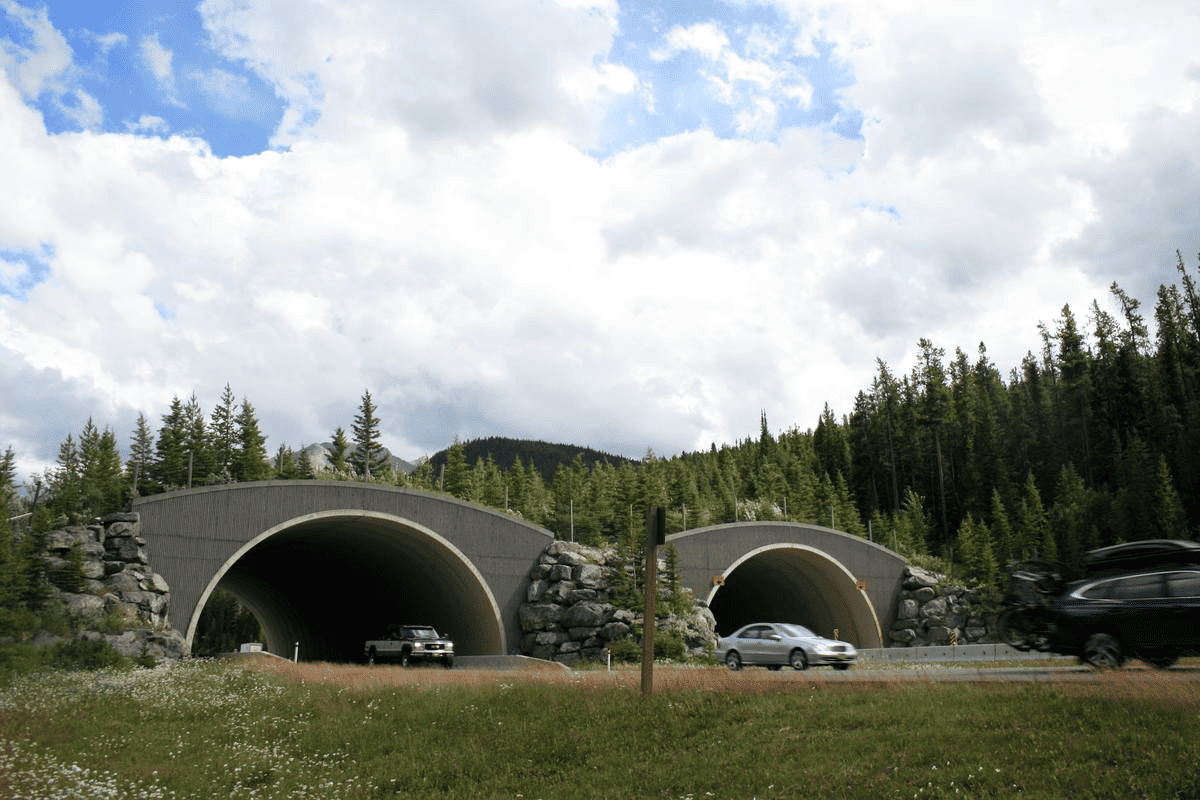
The Government of Alberta announced the new Island Ridge wildlife overpass project west of Crowsnest Lakes, the second of five crossings planned under the Reconnecting the Rockies project. The Rock Creek underpass is nearing completion after construction began in 2024.
The IUCN published Scaling Up Conservation in a Connected World at the World Conservation Congress in Abu Dhabi. Y2Y’s Jordan Reeves is a co-author and is quoted in the press release: “For 30 years, Y2Y has been advancing conservation at the scale nature requires.”
Governor Gianforte held a press conference to sign two laws, creating a permanent account for wildlife crossings, the first time the Governor publicly spoke in support of these structures. A 2024 survey commissioned by Y2Y found 85% bipartisan support among Montana residents.
The U.S. administration announced plans to repeal the 2001 Roadless Rule, a key protection for connected habitats. Y2Y worked with board member Leslie Weldon to commission journalist Ben Goldfarb to write an article for the Boston Globe, reframing the rule’s importance through the lens of ecological connectivity.
As of 31st July, the total number of completed wildlife crossings in the Y2Y region rose to 179, up from 177 in March. This includes completion of the Y2Y-supported McArthur Lake project on US-95 in Idaho, as well as an older project in Alberta’s Bow Valley that had not previously been reported.
British Columbia launched a land-use planning process with five Indigenous Nations that could protect more than 13 million acres through IPCAs and other conservation designations. Y2Y has played a key role over the past five years. The announcement includes a one-year moratorium on new mineral claims across about one third of the area.
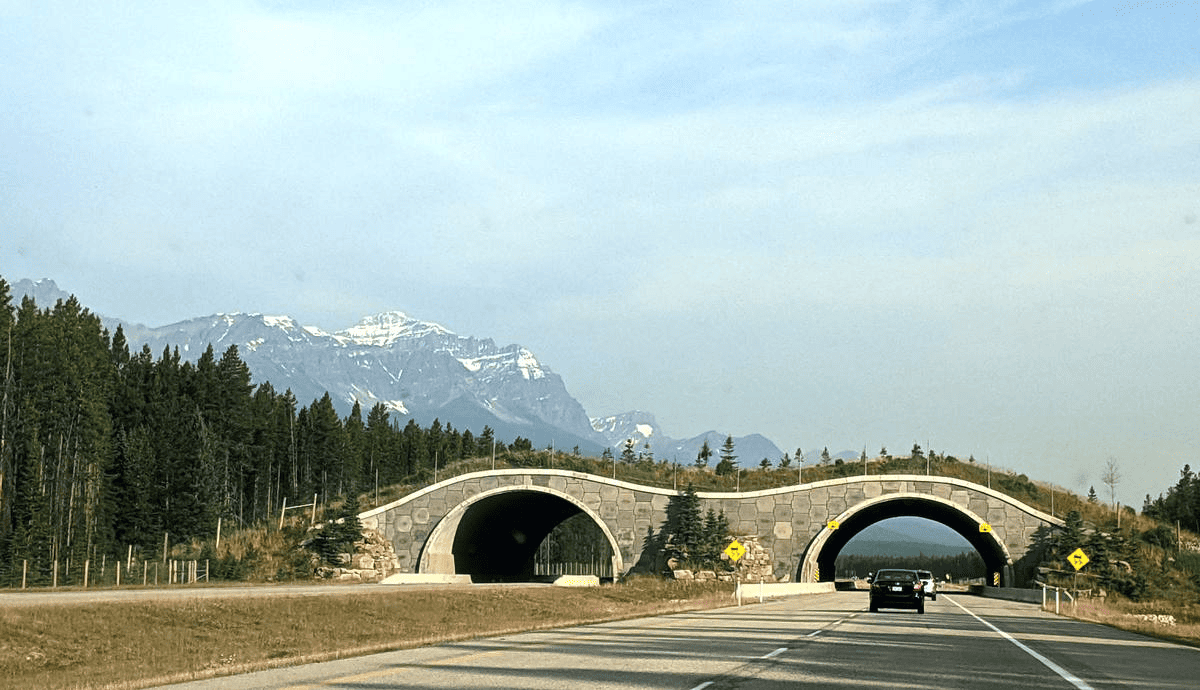
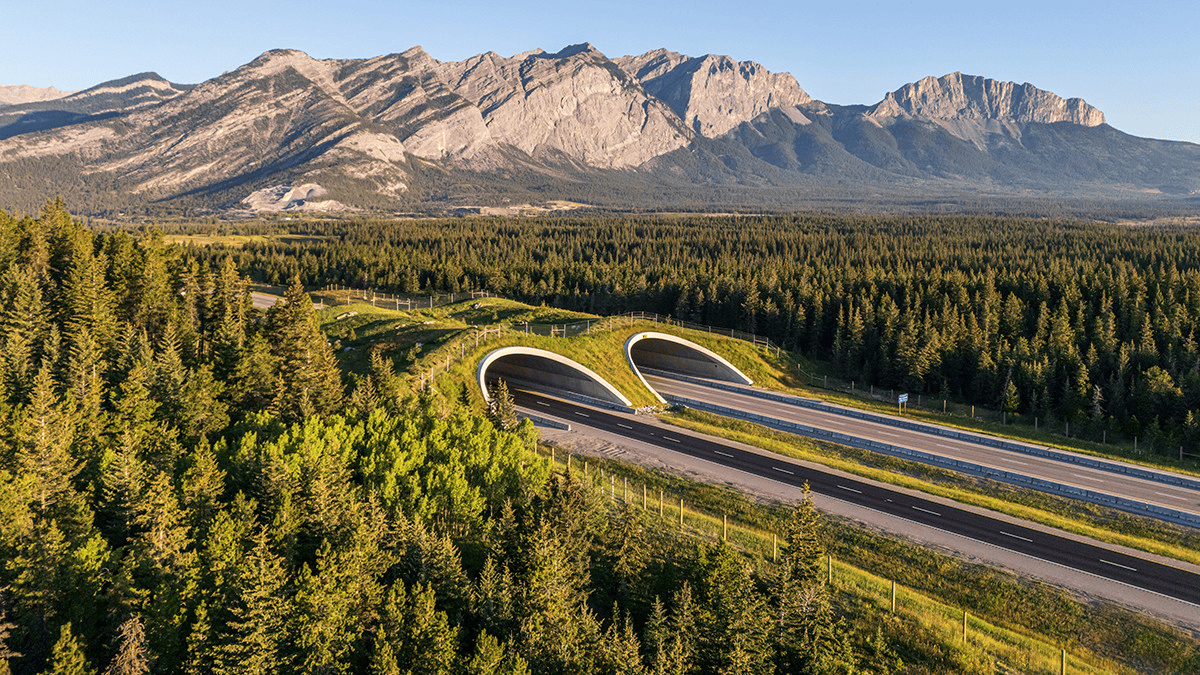
On June 13, the Government of Alberta officially opened the province’s first wildlife overpass built outside the national park system, east of Canmore. Y2Y staff attended the ceremony, emphasizing how these structures transform “a wall into a reconnected landscape.”
The Osburn-Silverton project in northern Idaho, which converts an old abandoned overpass into a functioning wildlife crossing, secured all necessary funding, including Y2Y’s contribution and construction began in the summer. Idaho Fish and Game specifically recognized Y2Y’s contribution to advancing the project.
Montana’s Governor signed two key laws: HB 855, creating a specialty license plate for a dedicated wildlife crossing fund, and HB 932, directing 5% of marijuana tax revenue to a new Habitat Legacy Account, the first permanent state funding mechanism for wildlife crossings.
Dialog received the Minister’s Award for Transportation Innovation for designing the Bow Valley Gap wildlife overpass on Highway 1. Y2Y worked closely on the implementation of this infrastructure, which turns a critical bottleneck into a safe corridor for wildlife.
More than 200 participants from governments, industry, Indigenous Peoples, and NGOs gathered in Banff. The conference highlighted the success of Parks Canada’s National Program for Ecological Corridors and presented the Y2Y region as a key example of large-scale conservation.
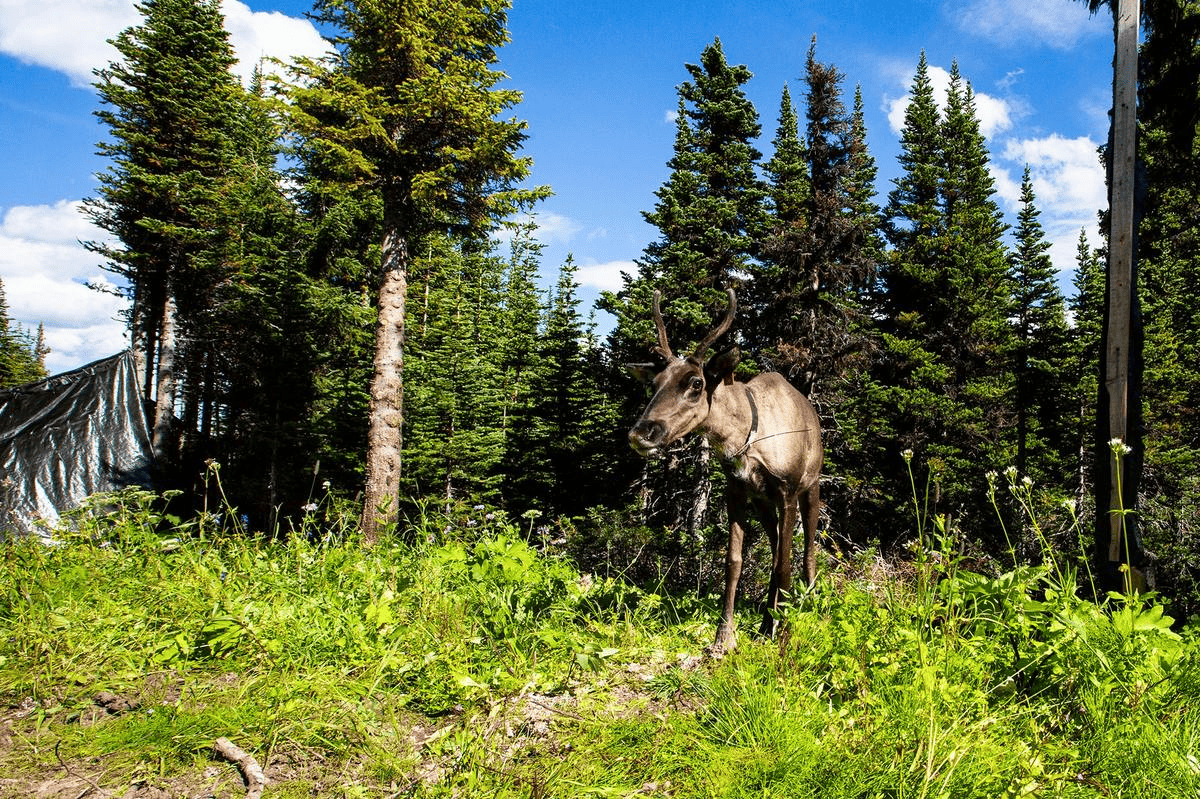
Y2Y’s 2024 grant cycle funded a documentary about the Northern Mountain Caribou Summit in Dease Lake, which brought together Indigenous knowledge holders, hunting guides and researchers. Released on World Wildlife Day, the film was highly appreciated by local Indigenous communities.
Two new grants from the federal Wildlife Crossings Pilot Program were awarded in the Y2Y region, bringing total investment to more than US $86 million. The funds will support three new wildlife underpasses on Highway 30 in southeastern Idaho and a feasibility study on Highway 93 in Montana.
On January 16, Alberta’s Minister of Energy signed an order removing barriers to the development of 188,000 hectares of coal mining leases along the eastern slopes of the Rocky Mountains. Y2Y launched the “Mountains Not Mines” mobilisation campaign, bringing together grassroots organizations, communities and Indigenous Nations.
I Ross River Dena hanno proposto la creazione di un'Area Protetta e Conservata Indigena di oltre 40.000 km² (circa l'8% del territorio dello Yukon) — un'area grande quanto la Svizzera. Nel dicembre 2024 hanno firmato un accordo con il governo dello Yukon e Parks Canada per condurre uno studio di fattibilità. Y2Y ha sostenuto la comunità nell'anno precedente.
A fine 2024 è stato completato il sovrappasso faunistico del Bow Valley Gap (Stoney Nakoda Exshaw wildlife arch), a ovest di Calgary. Sulla Trans-Canada Highway, 12 km di recinzione guidano alci, puma e orsi grizzly verso il ponte. Le telecamere hanno ripreso animali in transito già prima del completamento ufficiale.
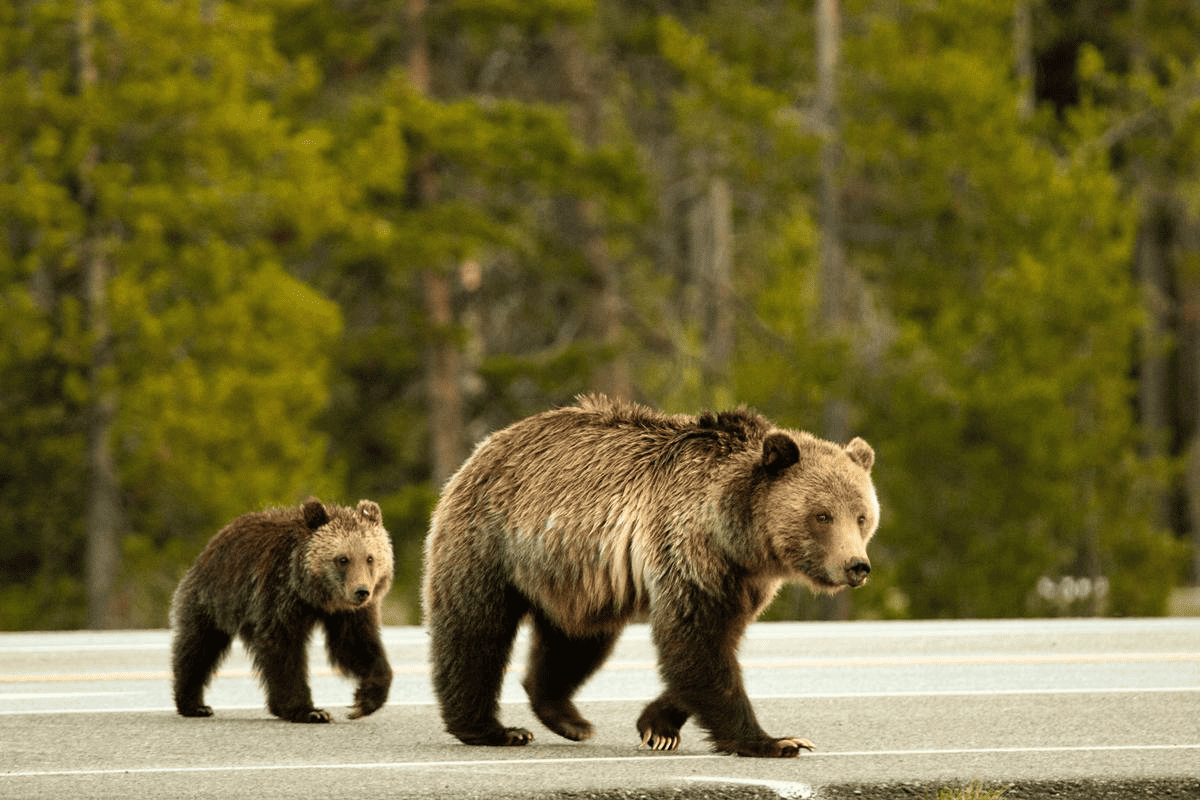
Nella regione Y2Y sono state identificate almeno 40 comunità che stanno adottando misure positive per la coesistenza uomo-fauna selvatica. Y2Y, membro dell'Interagency Grizzly Bear Committee negli USA, ha guidato le discussioni al vertice annuale focalizzato sulla creazione di comunità "bear smart", fornendo consigli pratici per gestire gli incontri con gli orsi.
Y2Y ha condiviso i risultati e le raccomandazioni del proprio progetto di turismo slow e responsabile con centinaia di funzionari governativi, gestori del territorio e gruppi di attività ricreative. Parks Canada ha collaborato per allineare le indicazioni ai propri piani d'azione multi-specie nei parchi nazionali di Banff, Kootenay e Yoho.
Procede il progetto di installare diversi chilometri di nuove recinzioni e aumentare l'altezza di quelle esistenti lungo l'Interstate 90 in Idaho, incanalando la fauna verso due attraversamenti sulla highway. In collaborazione con il Western Transportation Institute, si sta studiando dove servano ulteriori attraversamenti lungo la I-90.
Nel 2024, Y2Y ha contribuito a conservare sei appezzamenti di terreno privato tra Stati Uniti e Canada, tutelando 27 km² (6.794 acri), con ulteriori 7 km² in fase di finalizzazione. Tra questi, una servitù di conservazione innovativa che protegge migliaia di acri di habitat dell'orso grizzly garantendo al contempo l'accesso perpetuo ai popoli indigeni per usi culturali.
Nella Elk Valley in Columbia Britannica, dove i tassi di mortalità degli orsi sono eccezionalmente alti, Y2Y ha contribuito a formare la Elk Valley Coexistence Coalition — una partnership tra comunità, Nazioni indigene, industria, gruppi di conservazione e governo provinciale. Sono stati avviati programmi di recinzioni elettriche e rimozione di alberi da frutto.
Le West Moberly First Nations, le Saulteau First Nations e i governi della Columbia Britannica e del Canada hanno annunciato l'espansione del parco Klinse-za/Twin Sisters: da 2.689 a oltre 200.000 ettari — il più grande parco creato in Columbia Britannica nell'ultimo decennio. Dieci anni fa i caribou erano ridotti a 13 esemplari; oggi sono circa 200.
Un quarto delle aree protette nella regione Y2Y è gestito o co-gestito da popoli indigeni. Y2Y è stata invitata a collaborare a 11 iniziative a sostegno di designazioni territoriali e programmi di stewardship guidati da comunità indigene, tra cui una proposta di Parco Nazionale nello Yukon e programmi di Guardiani Indigeni nella Columbia Britannica settentrionale.
Il progetto Reconnecting the Rockies migliora la connettività lungo 80 km della Highway 3, tra il Crowsnest Pass (Alberta) e la Elk Valley (Columbia Britannica). Y2Y è stata selezionata da Parks Canada come progetto pilota per il Programma Nazionale per i Corridoi Ecologici. L'obiettivo è installare 10 punti di attraversamento entro il 2027 — sei già operativi.
Sono stati assicurati oltre 30 milioni di dollari dal governo federale degli Stati Uniti per finanziare i lavori sulla Highway 93 in Montana, dove 11 orsi grizzly sono stati uccisi da veicoli mentre tentavano di attraversare una valle densamente sviluppata. Le Tribù Confederate Salish e Kootenai guidano questo lavoro. Y2Y ha coordinato le attività con le Tribù.
Dal 1993, le aree protette nella regione Y2Y sono cresciute a un ritmo doppio rispetto al resto del Nord America, con una protezione complessiva aumentata di oltre l'80%. Nella regione Y2Y sono attualmente presenti 177 attraversamenti faunistici (sovrappassi e sottopassi). Nel 2024 sono stati completati o avviati 9 nuovi attraversamenti, con altri 47 in fase di progettazione o pianificazione.