




REcommunity true false Almo Nature true false
Firenze Climate Change-Hero

Florence Climate
Change

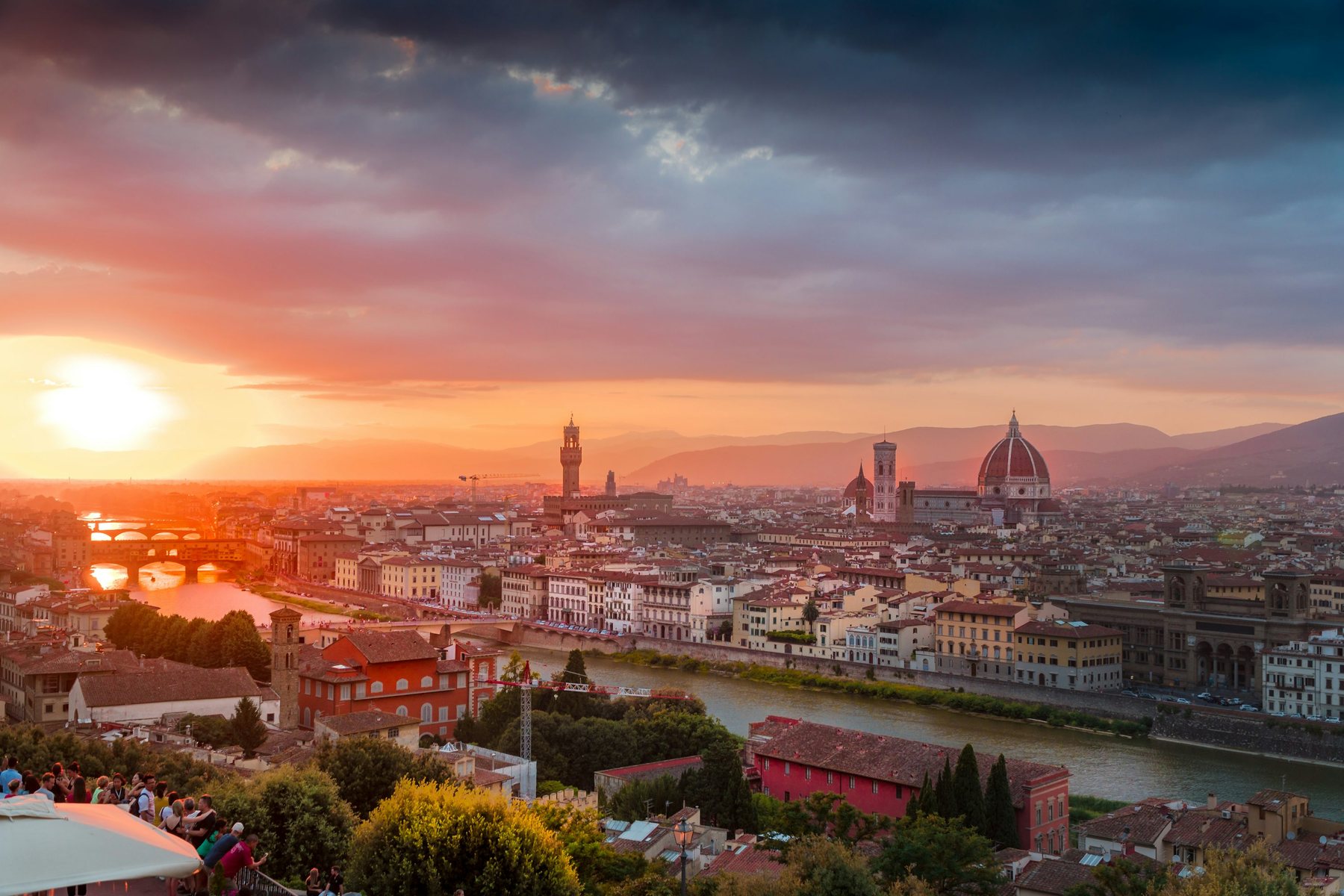
The project promotes science-based urban forestry interventions to mitigate the impacts of climate change, improve quality of life, and restore biodiversity in Florence.

DIRECTLY CONDUCTED PROJECT

Objective

Cities are particularly vulnerable to the effects of climate change. Concrete and asphalt absorb heat, which becomes trapped between buildings; rainwater struggles to penetrate impermeable surfaces; and human activity has greatly reduced biodiversity. These factors reduce quality of life and make it harder to integrate urban greenery that could mitigate climate change impacts.


Too often, improvised urban reforestation initiatives are treated as little more than slogans. Instead, these efforts should be grounded in science, making full use of new technologies: selecting the right trees, planting them in suitable conditions, providing proper care, and above all carefully measuring their overall impact.

Firenze Climate Change-1

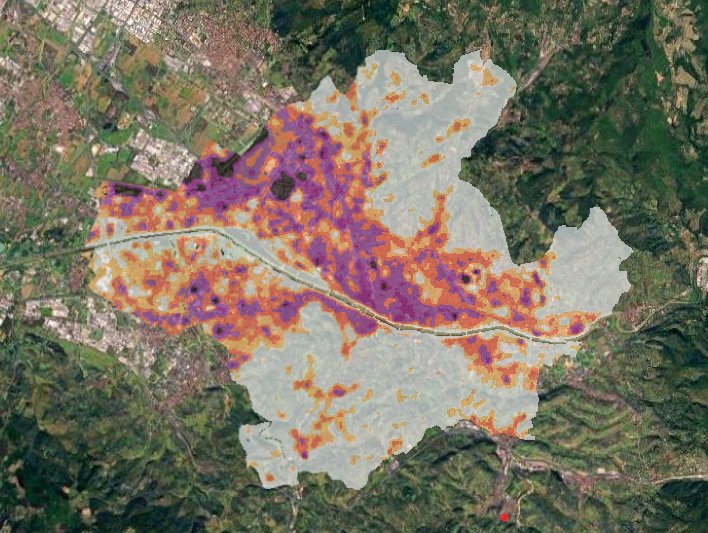
Area of intervention

For these reasons Fondazione Capellino has launched a project in Florence that, for the first time, puts innovative nature-based solutions to the test in the field. Their impacts are measured over time with methodical rigour, allowing the project to serve as a model that can be replicated and adapted in other European cities.
Project

In January 2023, Fondazione Capellino launched its ambitious experimental project with the aim of designing, implementing, and measuring nature-based solutions to mitigate the impact of climate change in cities, foster urban biodiversity, and improve citizens’ health. In February 2024, the initiative was officially recognised by local authorities.

The project is being carried out in collaboration with the City of Florence, under a signed Memorandum of Understanding, and is led by a pool of experts: the CNR provides scientific oversight, the University of Florence manages the eco-physiological aspects, and specialists in botany, biodiversity, surface engineering, and architecture are coordinated by Prof. Alberto Giuntoli.

Firenze Climate Change-2

Global warming is one of the great challenges of the new millennium, affecting more than just human activity. The concept of smart cities often considers nature only peripherally, subordinating it to human needs. To address this, the Florence Project includes a natural area in its planning: the historic Giogo-Casaglia area in the Florentine Apennines will be twinned with the city, creating an integrated protection zone that complements urban study, mitigation, and monitoring efforts.

city–natural area

The model proposed in Florence is distinctive in two key ways. First, the “city–natural area” twinning aligns with the goals of Agenda 2030. Second, it implements multi-variable, scientific monitoring of interventions both before and after they are carried out, including biodiversity assessments.

This is the first time a city has been formally twinned with a natural area, reflecting the urgent need for a paradigm shift in how humans relate to nature. The great biologist Edward O. Wilson suggested in one of his final works that half the planet should remain untouched, offering a revolutionary perspective on humanity’s impact on other living beings. Urban areas, crops, and other human-made zones should remain separate from wilderness, minimising their footprint. The remaining land could be designated as a vast, fully connected protected area, establishing ecological corridors to maintain continuity and preserve biodiversity.

The distinctive elements of our intervention are:

  • A  scientific approach at every stage, from study design and modelling, to implementation and monitoring;

  • A multidimensional perspective: addressing not only on CO2 storage, but the wider impacts on air, water, soil, biodiversity, taking into account the combined action of multiple variables;

  • Experimental field verification through measurements of in the 10 pilot areas and an open-air laboratory, with ex-ante and ex-post assessments to determine the real effectiveness of the interventions;

  • A focus on urban biodiversity, including the practical application of related indicators in the field;

  • Twinning with a large nearby natural area, managed with increasingly stringent protection measures.

Firenze Climate Change-3

DURATION

2023-2027: Study, implementation and scientific monitoring


2028-2032: Scientific monitoring


OUR INVESTMENT

€ 3.000.000,00

(2023-2027)


€ 1.500.000,00

(2028-2032)

climate-change
2023 – 2026

Firenze Climate Change

Project updates

The main advances of the Florence Climate Change & Biodiversity project, from 2023 to today. Use the arrows or the bar below to navigate.

Jan – Mar 2026

Design work begins for the first urban areas

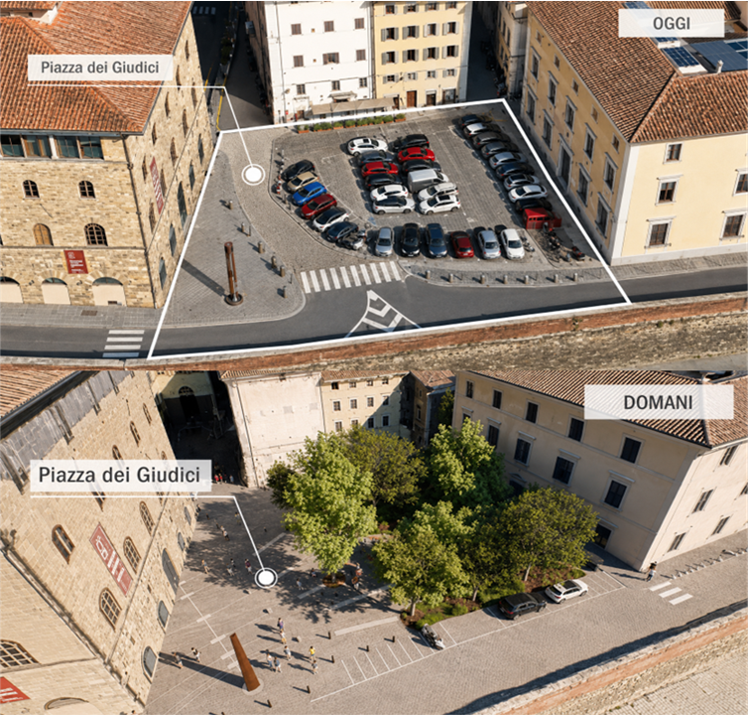
In the first quarter of 2026, design work begins for the first operational areas, focusing on Piazza dei Giudici and Via della Mattonaia, with technical progress also extending to Tanini. The activities link landscape design, scientific data and ex ante simulations, translating research results into concrete urban interventions.

climate-change
Jan – Mar 2026

Monitoring completed across the ten areas

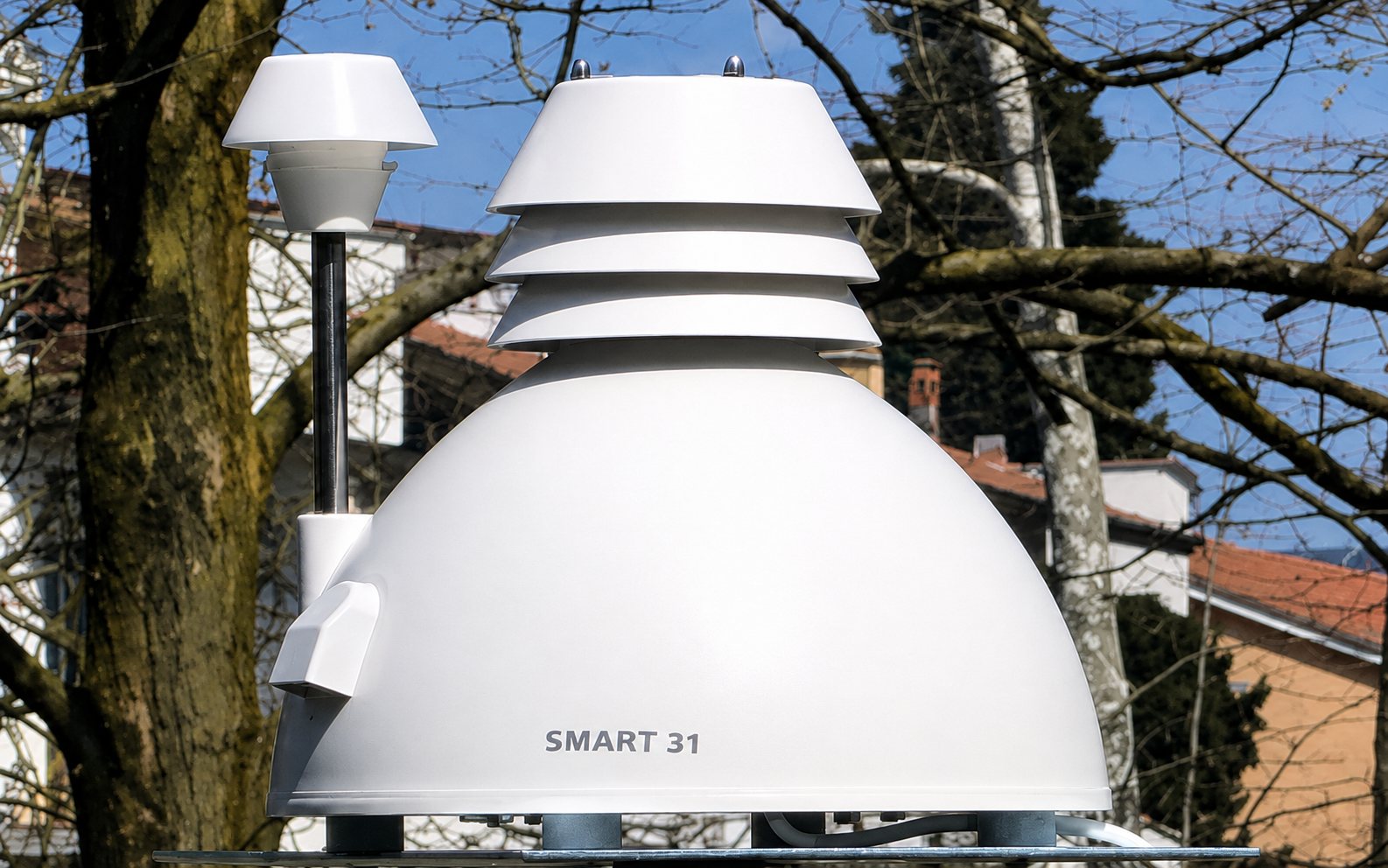
In the first months of 2026, the installation of five additional AirQino stations is completed in the areas identified in 2025, Piazza dei Giudici, Via della Mattonaia, Via Tanini, Piazza Istria and Piazza San Pancrazio, extending microclimate and air quality monitoring across all ten project areas.

Completamento del monitoraggio sulle dieci aree
Oct – Dec 2025

Framework completed for the ten urban areas

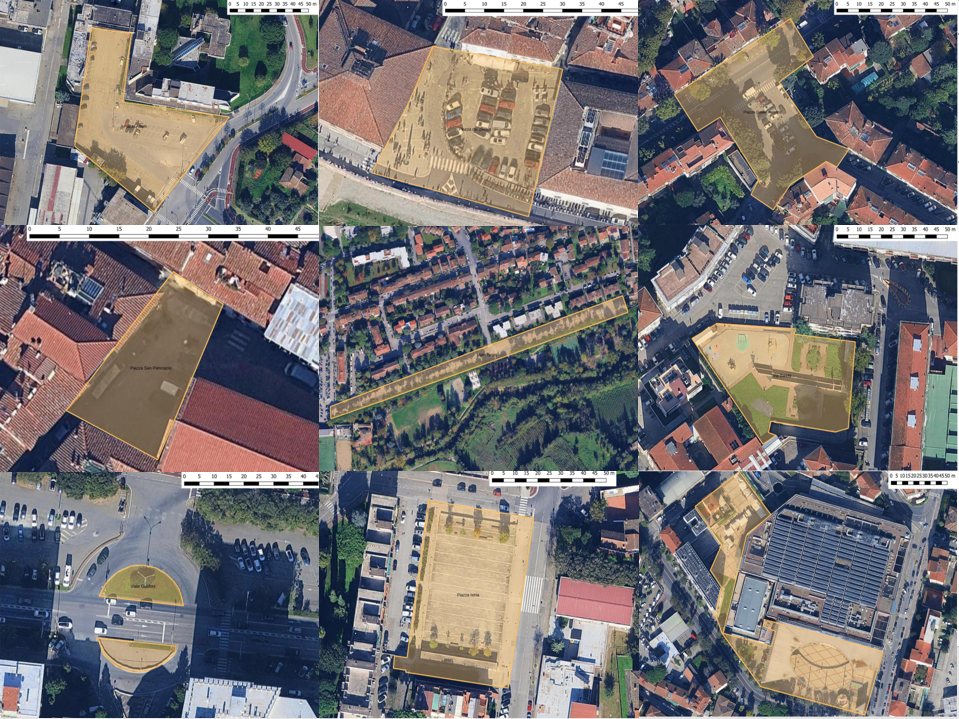
By the end of 2025, the framework for the project’s ten areas is finalised: Artom, Ferraris, Guidoni, Bartali, Zucchi, Giudici, Mattonaia, Tanini, Istria and San Pancrazio. For each area, the monitoring status, expected outcomes from ex ante and ex post comparison and intervention hypotheses are defined according to local conditions.

Completamento del quadro sulle dieci aree urbane
Oct – Dec 2025

Planning of monitoring and 2026 activities

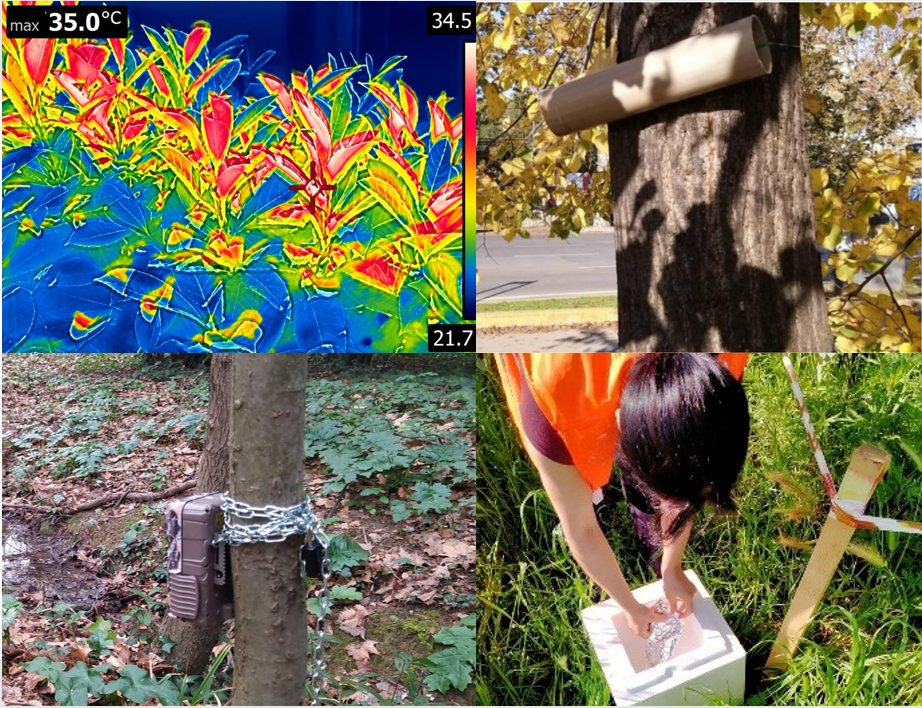
Technical planning prepares the transition to the new areas, including AudioMoth monitoring of bats, camera traps for small mammals, pollinator activities from March to October, thermal camera imaging and albedometer measurements, and the start of microclimate and air quality monitoring in areas not already covered by AirQino stations.

Programmazione dei monitoraggi e delle attività 2026
Jul - Sep 2025

Simulations and intervention scenarios for urban areas

Technical work links collected data with simulations and design scenarios. The analyses estimate expected benefits from trees, vegetated surfaces, higher reflective pavements, urban drainage solutions, rain gardens, bioswales, shading systems and microhabitats for urban biodiversity.

Simulazioni e scenari di intervento sulle aree urbane
Jul - Sep 2025

Definition of nature based solutions and green/blue experiments

For the different areas, intervention proposals are identified combining vegetation, water, and materials, including trees, flowerbeds, spontaneous vegetation, permeable surfaces, high albedo paving materials, green pergolas, trellises with flowering plants, rain gardens and stormwater management systems.

Definizione di soluzioni nature-based e sperimentazioni verdiblu
Apr – Jun 2025

Extension of monitoring on animal biodiversity and environmental quality

The first equipped areas enter a more comprehensive monitoring phase, covering pollinators, small mammals, bats, microclimate, and air quality. Air quality parameters include carbon dioxide, nitrogen dioxide, ozone, PM10 and PM2.5, while animal biodiversity is observed using tools such as camera traps and AudioMoth devices.

Estensione dei monitoraggi su biodiversità animale e qualità ambientale
Jan – Mar 2025

Strengthening of the scientific framework and indicators

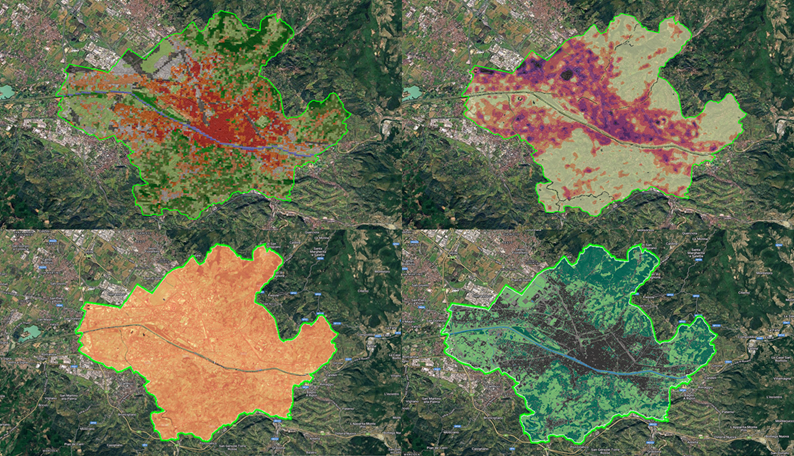
In the third year, the project consolidates the set of indicators used to assess the evolution of the areas, including animal biodiversity, plant biodiversity, plant health, air temperature, relative humidity, air quality, surface temperature, land cover, albedo, and shading.

Rafforzamento del quadro scientifico e degli indicatori
Oct – Dec 2024

Installation of the first AirQino monitoring stations

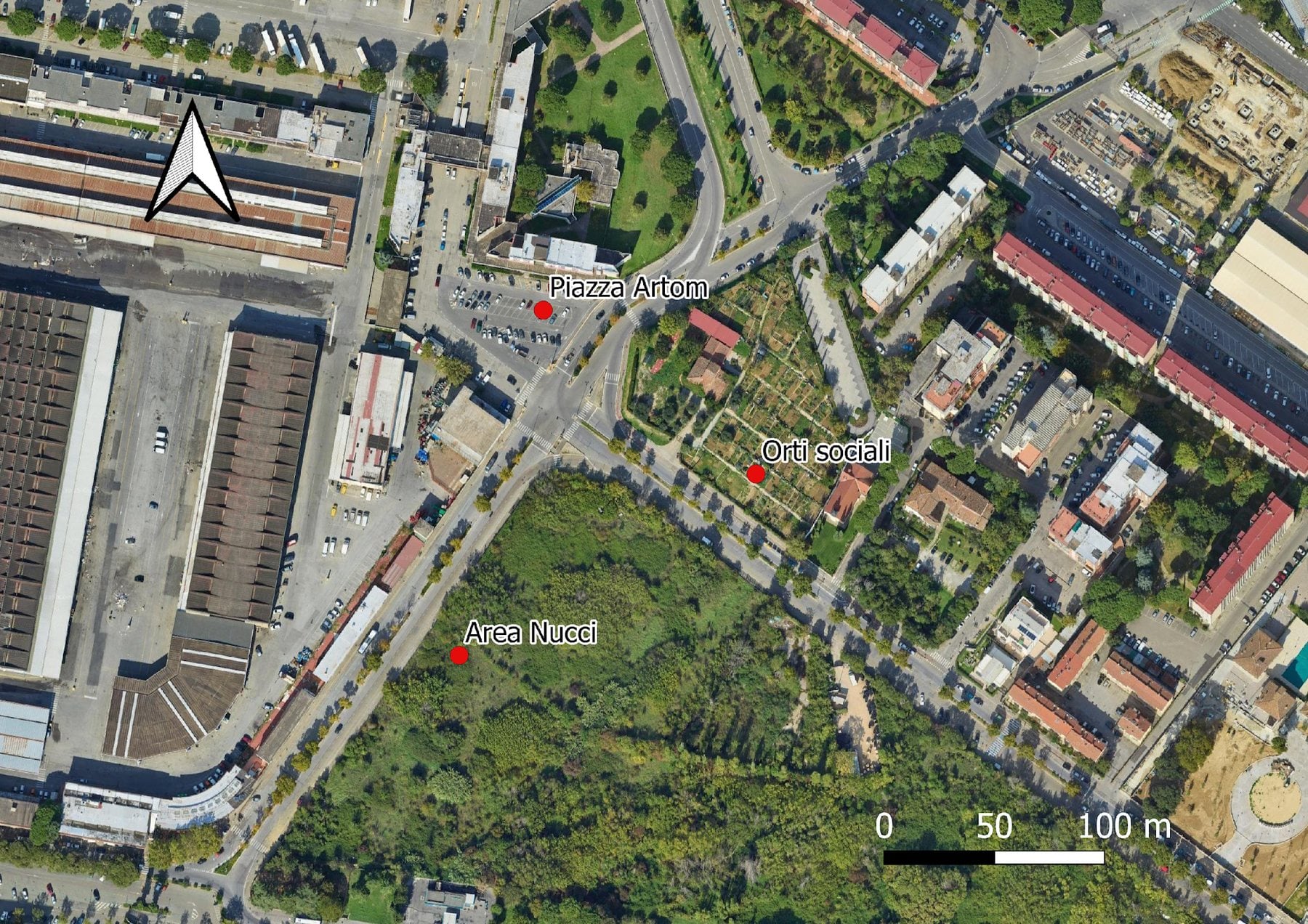
In 2024, AirQino stations are installed in the first five study areas, or in in nearby areas for technical and logistical reasons, Piazza Artom, Viale Guidoni, Giardini Zucchi, Piazza Galileo Ferraris and Piazza Gino Bartali. The stations begin meteorological and air quality monitoring activities in the pilot areas.

Installazione delle prime centraline AirQino
Oct – Dec 2024

Update of the project WebGIS

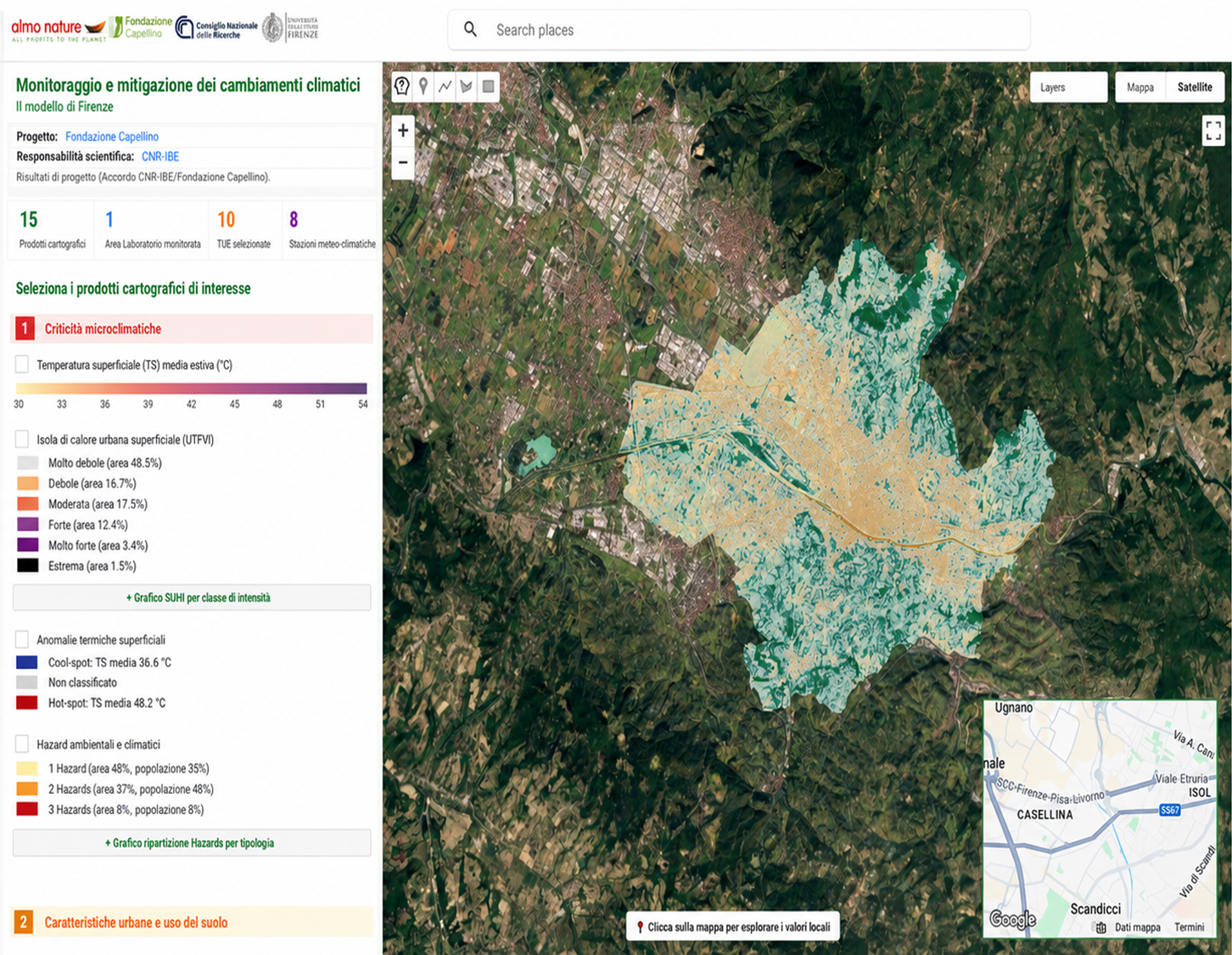
Data from monitoring activities are integrated into the WebGIS connected to the indicator database. The platform becomes an operational tool for visualising and accessing information on surfaces, microclimate, vegetation, environmental quality and urban characteristics.

Aggiornamento della WebGIS di progetto
Jul – Sep 2024

Construction of urban digital models

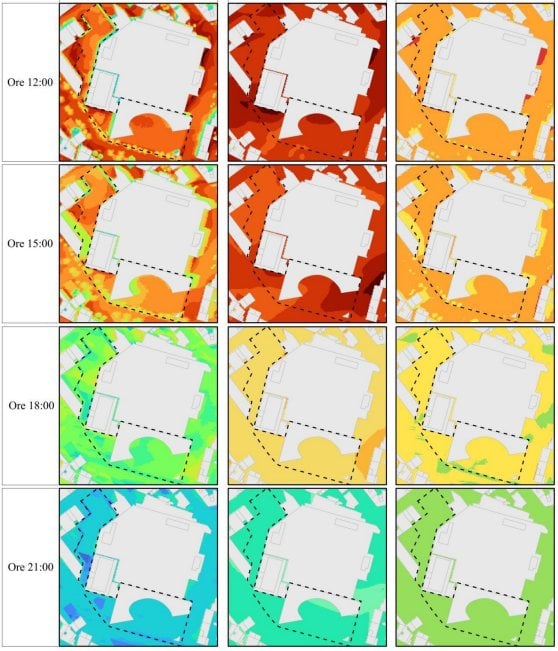
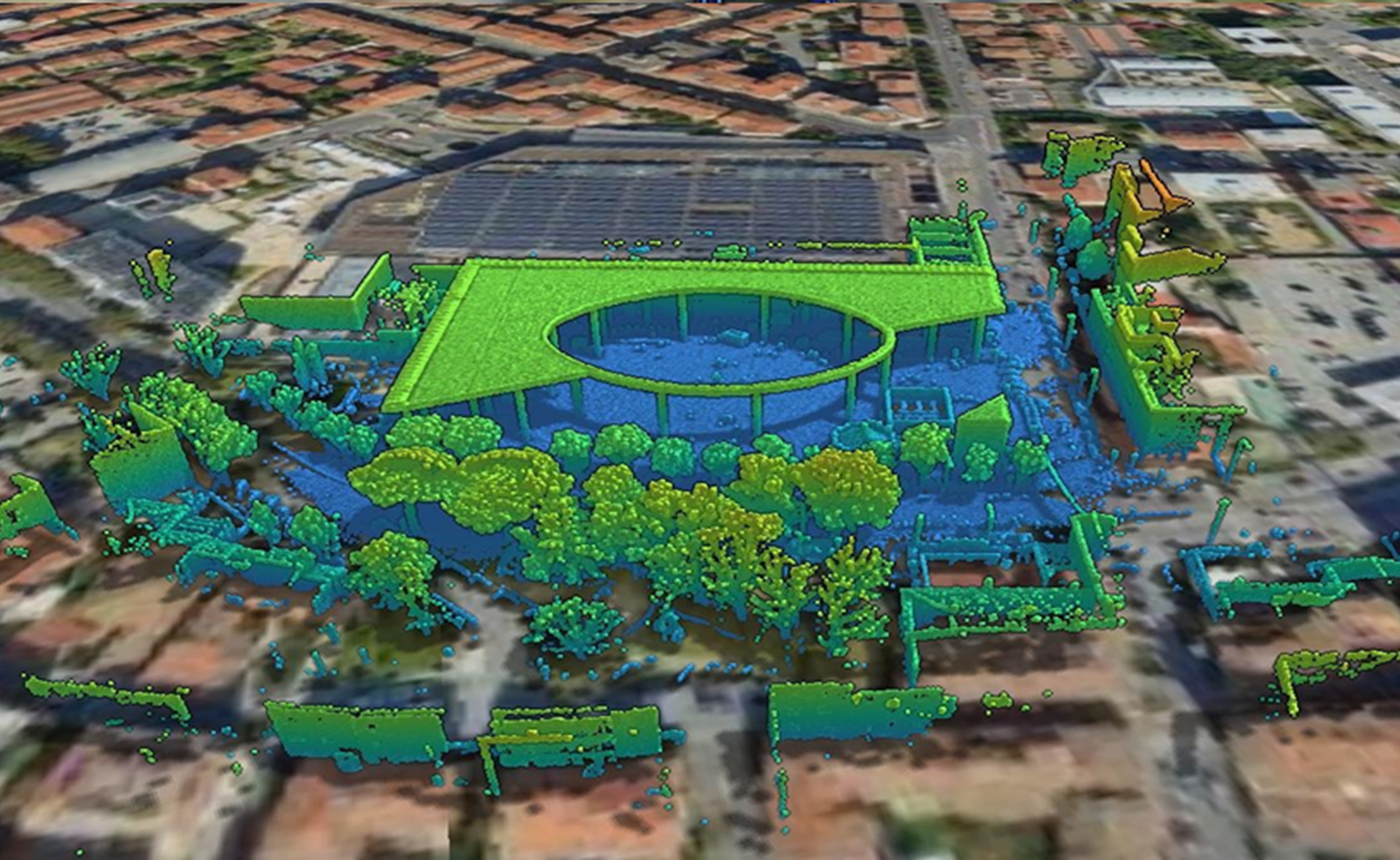
LiDAR surveys are integrated with open data from the Municipality of Florence to build digital models of terrain, buildings and vegetation. Indicators such as the Sky View Factor and shading patterns are derived from these data, supporting the analysis of solar exposure and more targeted design choices.

Costruzione dei modelli digitali urbani
Apr – Jun 2024

Start of plant monitoring in the first five areas

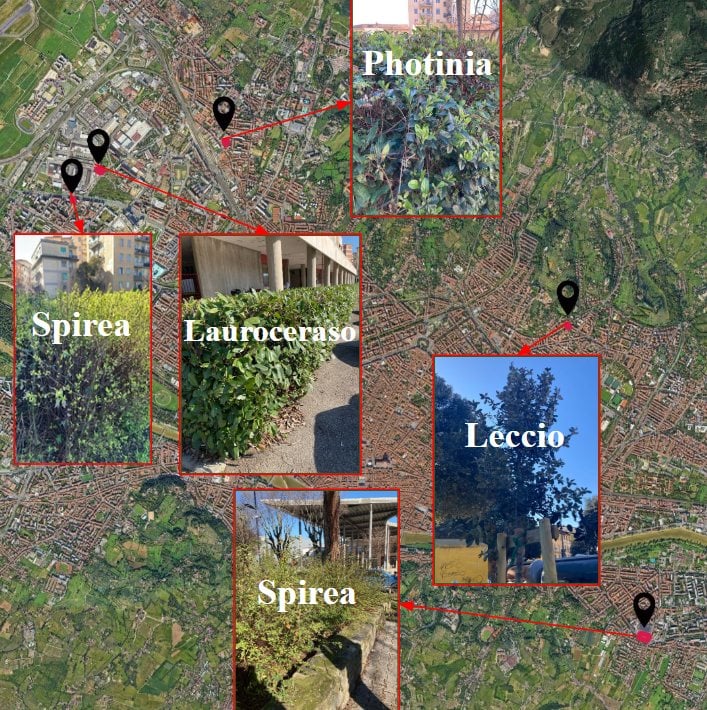
From June to October 2024, monthly leaf sampling is carried out on representative plant species in the first five areas, Spirea, Cherry laurel, Photinia, and Holm oak. The aim is to assess plant water status through Relative Water Content analysis and generate data to guide planting and urban design choices.

Avvio dei monitoraggi vegetali nelle prime cinque aree
Jan – Mar 2024

Extension of the method to the first five urban areas

In the second year, the project moved from the laboratory phase to the first five Elementary Urban Typologies, Piazza Artom, Viale Guidoni, Via Zucchi, Piazza Galileo Ferraris and Piazza Gino Bartali. These areas became the first urban case study sites for monitoring, surface characterisation, and intervention simulations.

Estensione del metodo alle prime cinque aree urbane
Oct – Dec 2023

First ecophysiological analyses on vegetation

The ecophysiological data collected in 2023 on shrub species in the laboratory area are established as the baseline for assessing the health of urban vegetation and plant responses to climate stress. This work informs the 2024 analyses and the preparation of a scientific publication.

Prime analisi ecofisiologiche sulla vegetazione
Jul – Sep 2023

Start of urban biodiversity monitoring

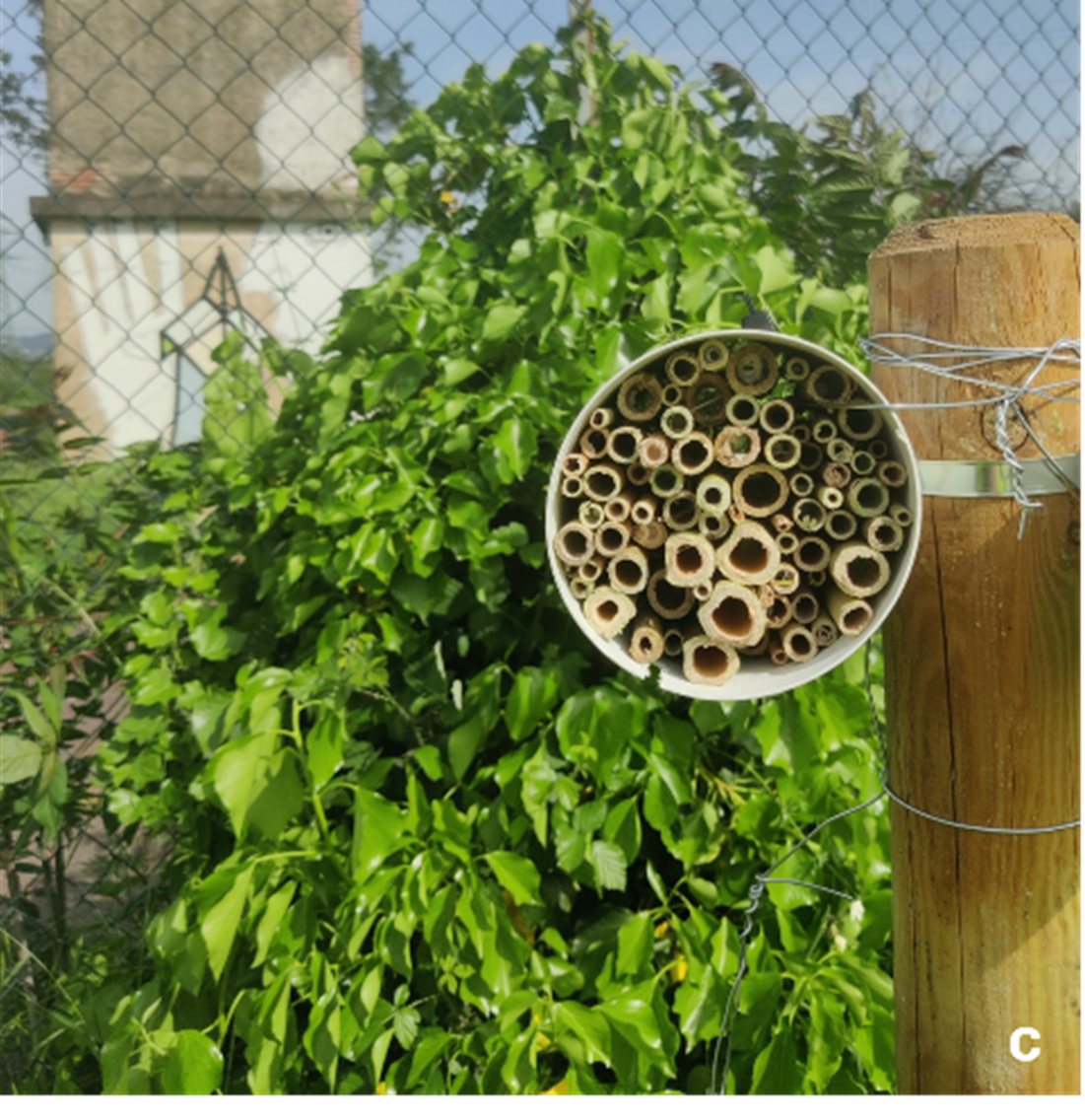
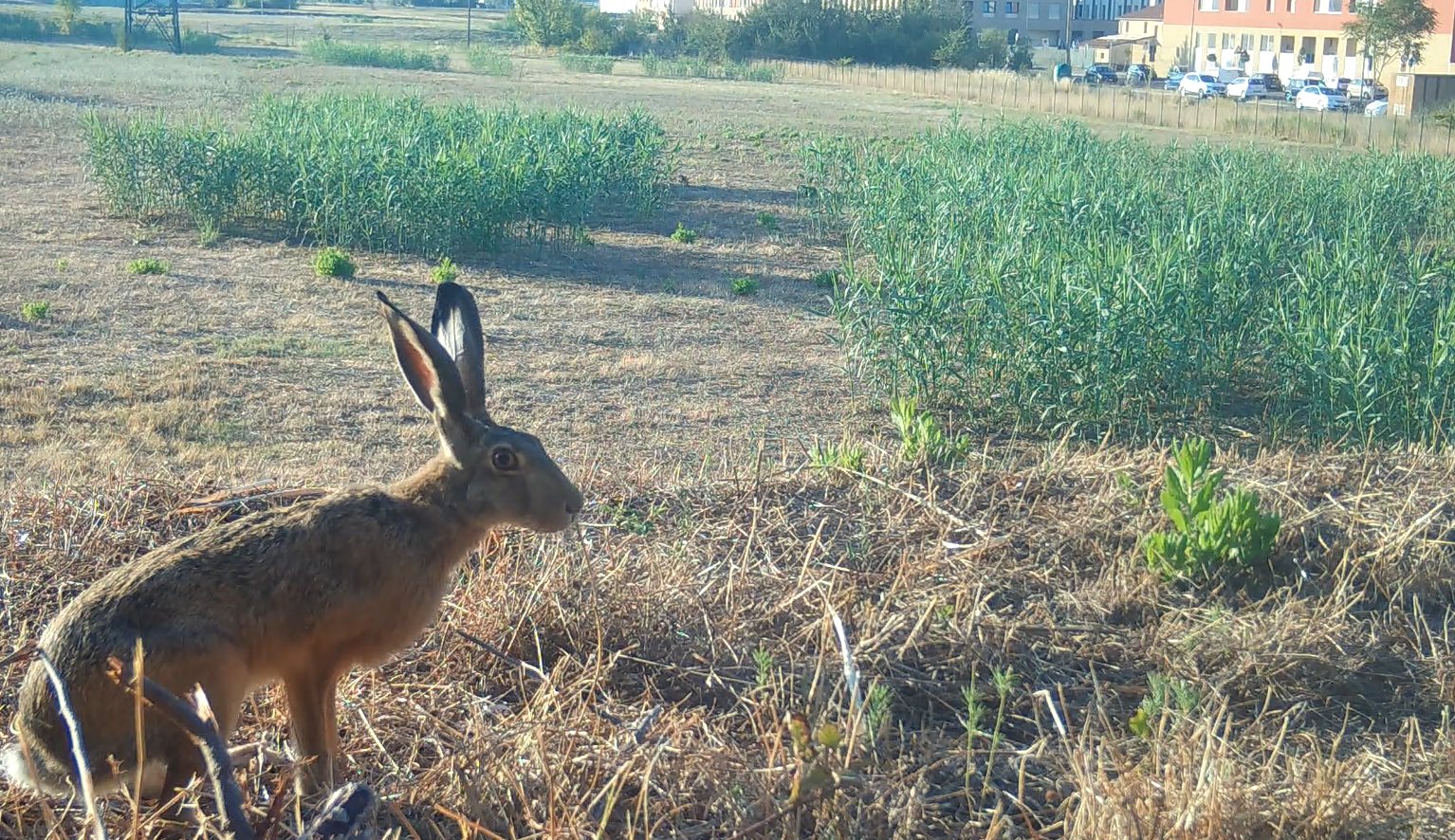
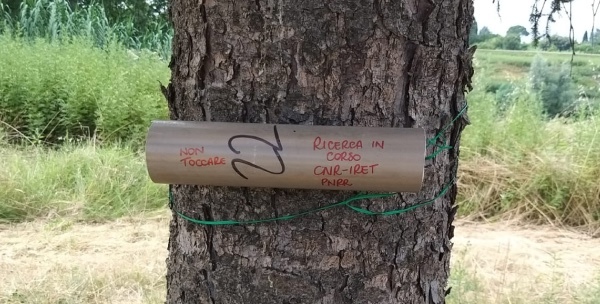
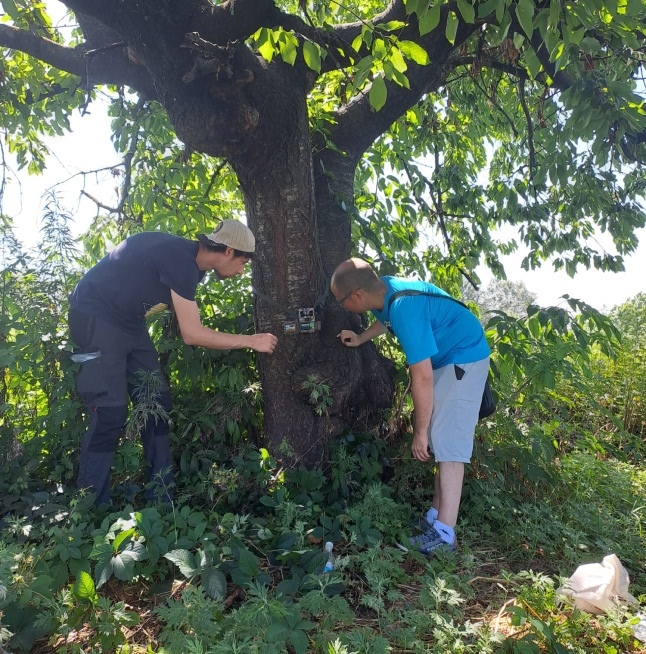
Between 2023 and 2024, monitoring of urban fauna begins with 14 camera traps distributed across the city of Florence, in different Local Climate Zones. In parallel, pollinator sampling starts in the laboratory area, Piazza Artom and nearby areas, using pan traps and trap nests.

Avvio dei monitoraggi sulla biodiversità urbana
Apr – Jun 2023

Construction of the environmental and urban database

In the first year, data collection and organisation begin to describe the baseline conditions of the area, including geomorphological, vegetation, meteorological, and environmental characteristics. This phase establishes the ex ante baseline against which future interventions will be assessed.

Costruzione della base dati ambientale e urbana
Jan – Mar 2023

Launch of the Florence project

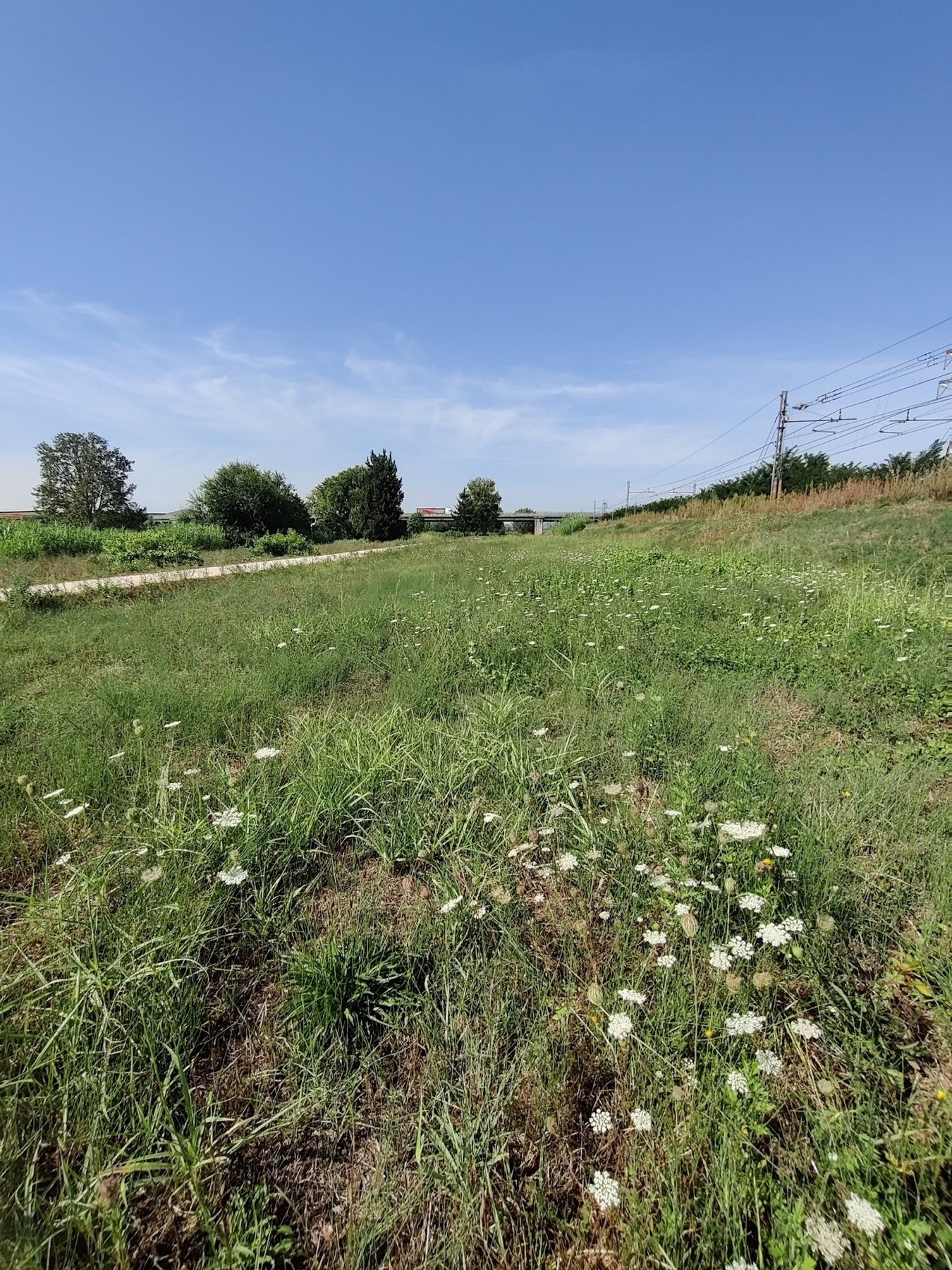
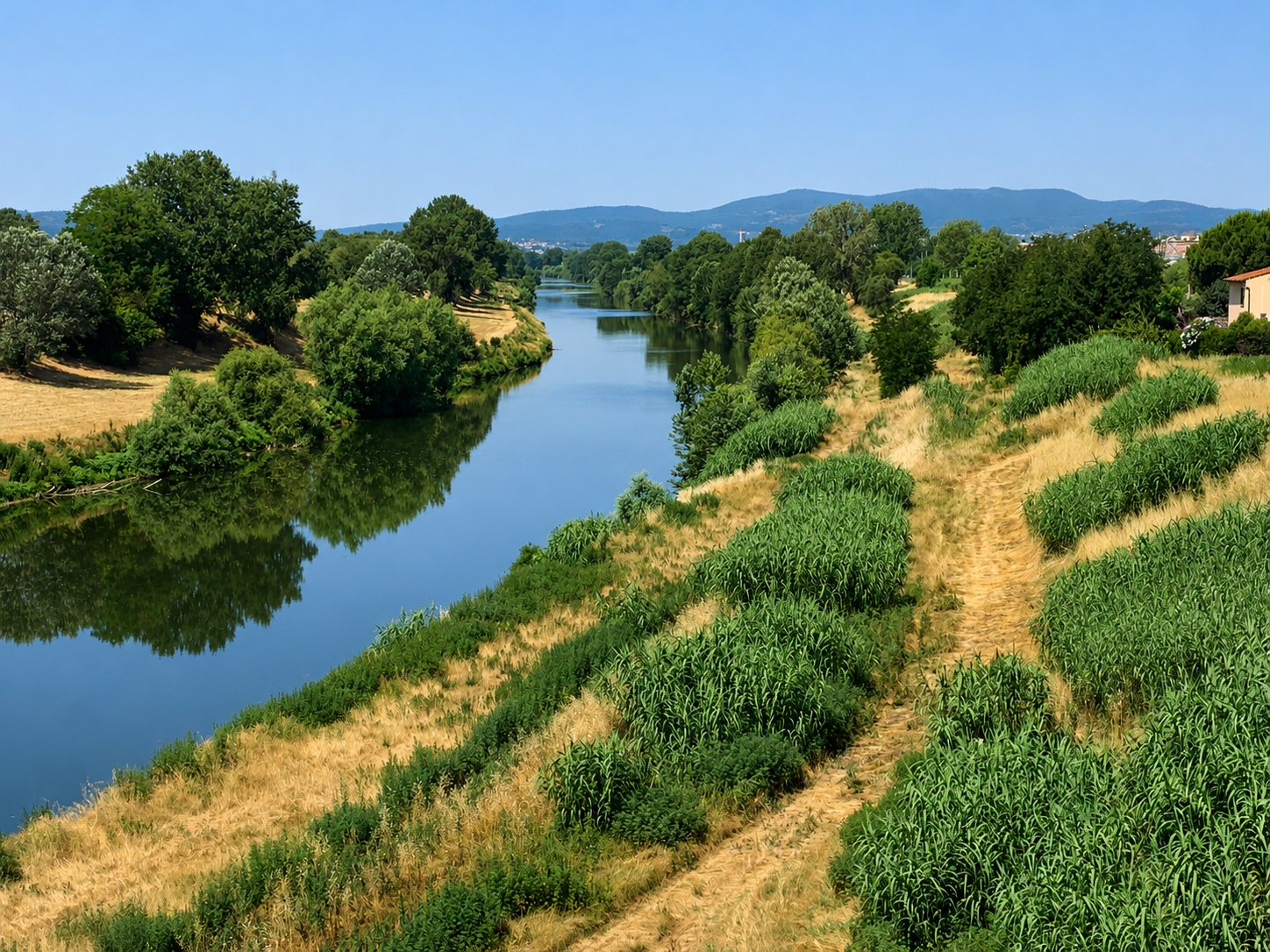
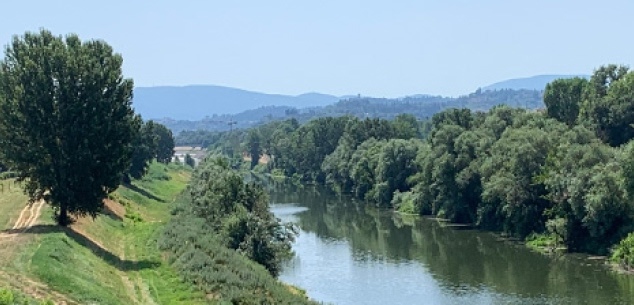
The research and implementation project ‘Florence Climate Change and Biodiversity’ begins, aiming to build a nature based urban model to reduce climate change impacts, support urban biodiversity and improve the health of urban spaces. The project is structured around two main areas, identification of ten representative urban typologies and the creation of an open air laboratory along the Arno to test and monitor scalable urban solutions.

Avvio del progetto Firenze
2026
Jan – Mar 2026
2025
Oct – Dec 2025
Jul - Sep 2025
Apr – Jun 2025
Jan – Mar 2025
2024
Oct – Dec 2024
Jul – Sep 2024
Apr – Jun 2024
Jan – Mar 2024
2023
Oct – Dec 2023
Jul – Sep 2023
Apr – Jun 2023
Jan – Mar 2023
Fondazione Capellino AI