

.jpg)
Even if you do not realise it, what you need is a biodiversity corridor. Or at the very least, biodiversity corridors are likely to be important to you, even if you have never heard of them before.
This type of infrastructure has been studied for some time, but only recently has investment begun to increase. There is still limited public discussion about the benefits it can bring not only to wildlife, but also to people.
Fondazione Capellino, which wholly owns the Almo Nature pet food brand and invests all its net profits in biodiversity conservation projects, is helping to fund four such corridors. One in southern Tanzania, one along the Bavarian Danube in Germany, one between Yellowstone and the Yukon, and one in Piedmont in Italy.
To understand how these projects are linked to human wellbeing, it helps to start with a simple definition.
AT A GLANCE
1Biodiversity corridors are natural or restored areas that connect habitats separated by human activity.
2They benefit both wildlife and people, supporting safer coexistence between humans and animals, and helping protect health and food systems.
3Fondazione Capellino funds or co funds biodiversity corridors in Tanzania, Germany, the United States and Canada, and Italy.
Nature's motorways
Biodiversity corridors, sometimes called ecological corridors, are natural or restored areas that link habitats which have been divided by human activity.
A simple example is two protected areas separated by roads or farmland. Without a safe route between them, animals risk crossing dangerous areas or coming into conflict with people. A biodiversity corridor solves this by creating a safe passage between habitats.
Projects supported by the Capellino Foundation are designed to do exactly this.
In Tanzania, the Kilombero Elephant Corridor to connect Nyerere National Park and the Udzungwa Mountains National Park. The goal is to allow elephants to move safely between protected areas, supported in part by the country’s first large scale electric fencing system.
In Germany, an ecological corridor is being developed between the districts of Regensburg and Kelheim. Lo scopo qui è connettere diverse aree naturali minacciate dall’agricoltura intensiva.
Between the United States and Canada, l’obiettivo del the Yellowstone to Yukon (Y2Y) project aims to protect and reconnect a 3,400 kilometre stretch of wilderness between Yellowstone National Park and the Yukon Territory.
In Italy, the most recent project is in Piedmont. It links Val Grande National Park with the Sacro Monte della Santissima Trinità di Ghiffa Special Nature Reserve, in an area where habitats are fragmented and in need of reconnection.
Ecosystem services and benefits for people
It is easy to understand why animals need safe spaces to move without being injured or coming into conflict with human activity. What is less obvious is that these projects also benefit people, especially those living nearby.
These benefits fall into two main groups: coexistence with wildlife, and so called ecosystem services.
Coexistence is especially important in areas shared with large animals such as wolves, bears, elephants and deer. When animals are forced to cross roads or travel through human areas, they are at risk, and so are people. Restoring connected natural spaces helps reduce these risks by giving wildlife safe routes to move through.
Ecosystem services are broader and affect everyone, not just local communities. The idea is simple: healthy biodiversity supports human wellbeing.
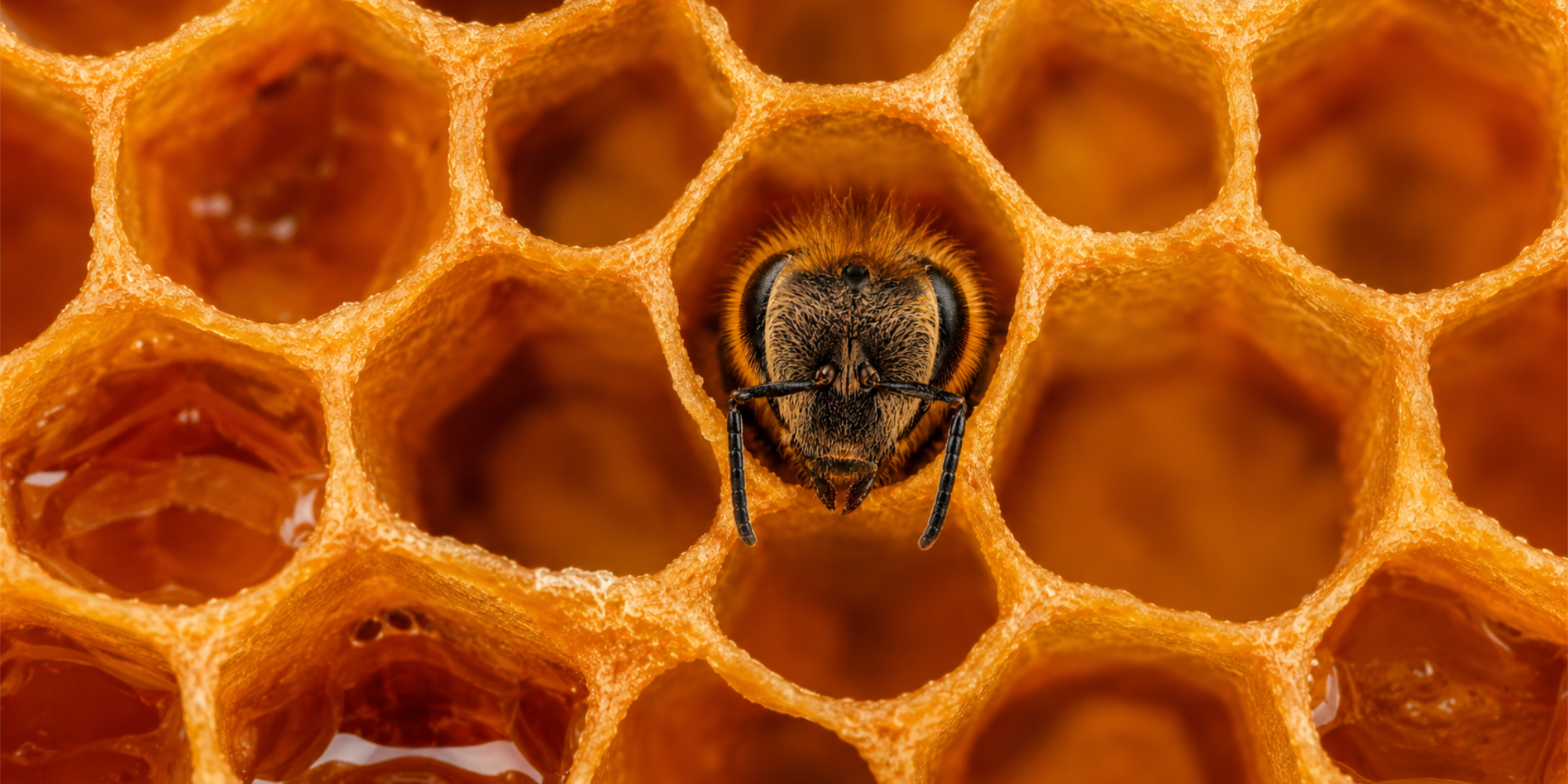
It can help reduce the risk of new diseases emerging. It also supports pollination, which is essential for food production. These are just some of the many ways in which functioning ecosystems contribute to everyday life.
Why it matters
There are strong ethical reasons to protect animal and plant life. But there are also practical ones.
Investing in biodiversity is also an investment in ourselves, supporting our health, our food systems and our long term wellbeing.


.png)