


-3.png)
For centuries, the wolf has been portrayed as a threat in fairy tales and legends, from Little Red Riding Hood to Jean de La Fontaine. It is often shown as a cunning and cruel enemy, ready to attack both people and animals. These stories have created a lasting fear that still shapes how many people see wolves today, and in some cases how they are managed in policy.
The reality is very different. The wolf is a social, intelligent and generally shy animal that plays an important role in healthy ecosystems.
While Wolves no longer exist in the wild in the United Kingdom, across parts of Europe where wolves have returned, discussions about living alongside them continue, particularly in areas where their numbers are increasing.
Let's take a closer look at the reality behind these myths.
An animal 'evil by nature'
In reality, wolves hunt to survive and feed themselves, not out of cruelty. They tend to avoid conflict and unnecessary risk. The idea of the 'villainous wolf' comes mainly from moral stories rather than natural behaviour.
A constant danger to humans
Wolves are naturally wary of people and usually avoid contact. In modern Europe, attacks on humans are extremely rare. Fear of wolves is therefore largely cultural rather than based on current reality.
In areas where wolves are present, it is generally safe to walk in the countryside, including with dogs kept on a lead. If a wolf is encountered, the sensible approach is to remain calm and slowly move away.
This does not mean wolves can never be dangerous. Like any wild animal, they may act defensively if they feel threatened or need to protect their young.
It is also important to recognise that wildlife today has far fewer undisturbed spaces. Roads, towns and buildings continue to expand into habitats that once belonged to animals like the wolf. Living alongside wildlife depends on allowing it enough space to exist.
A solitary animal
as clever, dishonest and manipulative. These are human ideas projected onto an animal.
Wolves are neither good nor bad. They simply behave according to survival needs and their role within nature.
The idea of the wolf as a symbol of evil has deep historical roots in Europe, dating back to the Middle Ages. At that time, wolves competed directly with people for land and food, and this led to fear and persecution. Over time, cultural and religious beliefs reinforced this negative image.
Today, many wildlife experts agree that wolves play an essential role in ecosystems and should be protected where they are naturally returning.
A manipulative creature in stories
In tales such as Little Red Riding Hood and The Three Little Pigs, the wolf is often portrayed as clever, dishonest and manipulative. These are human ideas projected onto an animal.
Wolves are neither good nor bad. They simply behave according to survival needs and their role within nature.
The idea of the wolf as a symbol of evil has deep historical roots in Europe, dating back to the Middle Ages. At that time, wolves competed directly with people for land and food, and this led to fear and persecution.
Over time, cultural and religious beliefs reinforced this negative image.
Today, many wildlife experts agree that wolves play an essential role in ecosystems and should be protected where they are naturally returning.
A true ecosystem builder
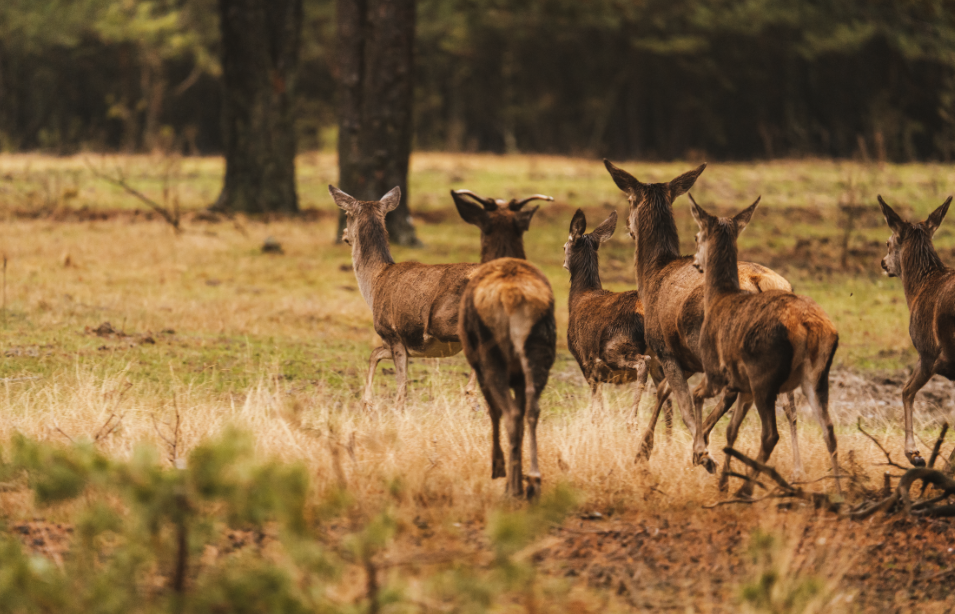
Wolves are top predators, which means they help regulate wildlife populations. By hunting animals such as deer and roe deer, they help prevent overpopulation. This reduces pressure on vegetation, supports natural forest regeneration and contributes to healthier prey populations by removing weaker individuals.
Their presence also benefits other species. Leftover carcasses provide food for scavengers such as foxes and birds of prey, supporting the wider food chain and biodiversity.
Changing how we see the wolf is not enough on its own. It's our wider relationship with the natural world that needs attention. Every species has a role, and recognising this helps us understand why protecting predators like the wolf matters.
Some people may feel that protecting wolves works against human interests. In reality, human life is closely connected to healthy ecosystems. Our wellbeing depends on them.
Learning to coexist with nature is therefore essential.
Coexistence in practice
Some people worry that protecting wolves puts human interests at risk. In reality, human life and nature are closely connected. Our wellbeing depends on the balance of the ecosystems around us, which is why coexistence matters.
Around the world, there are examples of coexistence working in practice. Projects such as the Casentinesi initiative, supported by Almo Nature, work with farmers to reduce conflict. One approach includes training livestock guard dogs, which helps protect animals and reduces predation in a practical way.
These kinds of solutions show that coexistence is possible when practical support is given to people living alongside wildlife.
Protecting the wolf is not only about preserving a single species. It is about maintaining healthy forests, balanced ecosystems and, ultimately, a stable natural world that supports our own future.




.jpg)
