


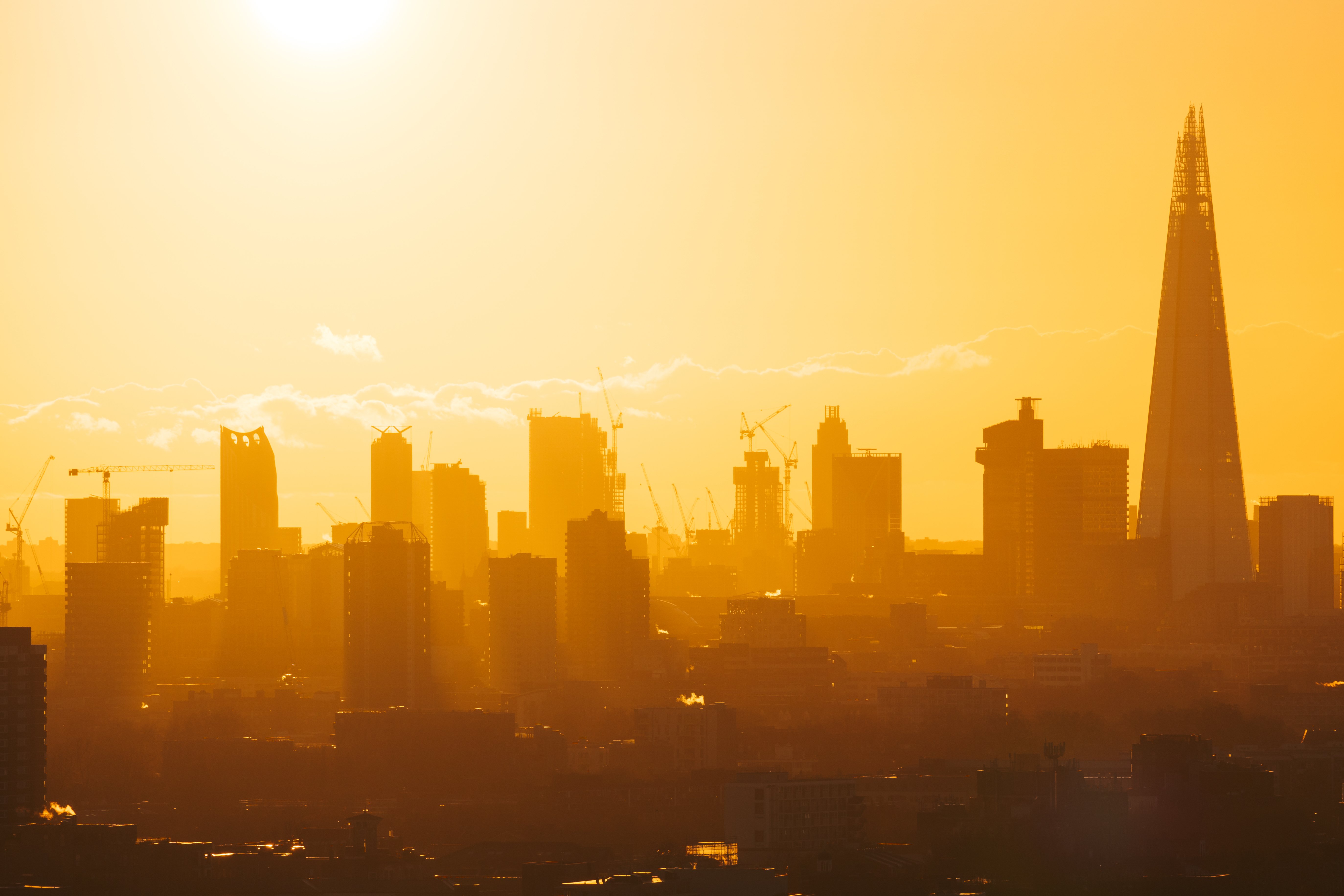
For a long time, many people have pointed to the Summer of 1976 as proof that concerns about climate change are exaggerated. Their argument is simple, ‘It was hotter back then’. But today, those comparisons no longer hold up.
So far in 2026, the UK has already gone beyond many of the records set in 1976. We've seen more days above 30°C, more days above 35°C and record breaking heat across multiple months.
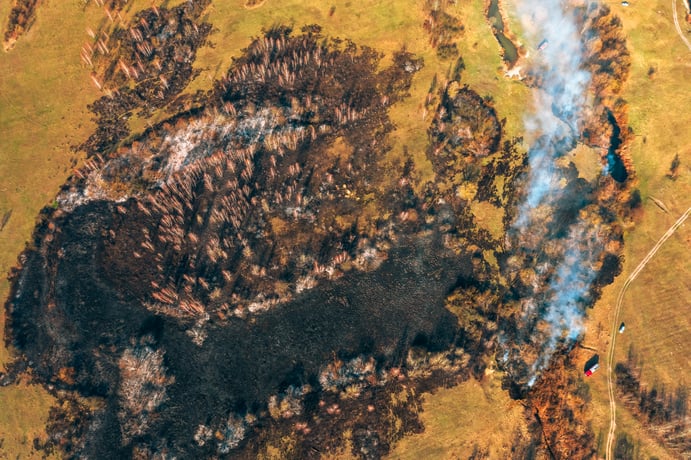
We’re also seeing large parts of England and Wales officially declaring drought after many weeks of exceptionally dry weather. We received just 3% of our average rainfall in July and are on course for it to be the driest July in almost 190 years. Rivers are running low, intense wildfires have become more common and it’s estimated that 23 million people are now living with water restrictions.
This isn't something to celebrate. It’s a warning.
The five warmest UK Summers have been
- 2025
- 2018
- 2006
- 2003
- 2022
The effects of climate change aren’t limited to people. As rivers, streams and lakes shrink, wildlife loses the water it depends on to survive. Fish become trapped in shallow, warming water where oxygen levels fall. Birds, mammals and insects all struggle as drinking water disappears and habitats dry out. Heatwaves also affect the time of breeding, migration and the availability of food, putting even more pressure on species that have evolved to cope with a cooler and more predictable climate.
The majority of the UK’s infrastructure and buildings were designed for a climate with milder summers and cold winters. Many of the core features of the homes being built today are based on designs that are up to 20 years old, making them poorly suited to the longer, hotter summers that are becoming more common. Climate experts warn that the UK must adapt because we are living in a climate that no longer matches the one our homes, infrastructure and public services were designed for.
AT A GLANCE
- 1976 is no longer the UK's benchmark for summer heat
- Just 3% of average rainfall fell across England in July
- 84% of England's monitored rivers are below normal levels
- Millions of people are now living with water restrictions
- Heatwaves and drought are putting immense pressure on wildlife
- Protecting and restoring nature helps build resilience for the future
The bigger picture becomes even clever when we look beyond the summer of 2026. The five warmest years on record have all happened recently; 2025, 2022, 2023, 2014 and 2024.
Rather than using 1976 to argue against climate change, perhaps it’s time to recognise what the observed, recorded and reviewed evidence is telling us. The summer of 1976 was once considered exceptional. In 2026, it is no longer the benchmark. Having to beat the records set in 1976 is not an achievement. It is a clear sign that our climate is changing faster than many people realise.
Adapting to these changes is essential, but so is addressing the causes and working to slow and where possible reverse their effects. Every choice we make has an impact. From reducing our own environmental footprint to protecting wildlife, restoring habitats and supporting biodiversity, we can all play our part. While the Government has a vital role in helping prepare the country for a changing climate, practical projects that help communities, nature and urban environments become more resilient are also important.
Wildlife cannot choose where it lives or how quickly it adapts, so helping protect natural areas is more important than ever.
After ensuring long term business sustainability, 100% of Almo Nature’s profits are allocated to Fondazione Capellino, supporting projects around the world that seek to give back to nature what is taken through production. Helping to protect wildlife, restore biodiversity and respond to the impacts of climate change.
Every Almo Nature purchase helps contribute to this work. To find out more about the Reintegration Economy and the projects being supported through it, join the REcommunity.
Sources