

In the wetlands of Europe and the Mediterranean, one species is facing a problem: too many males and too few females.
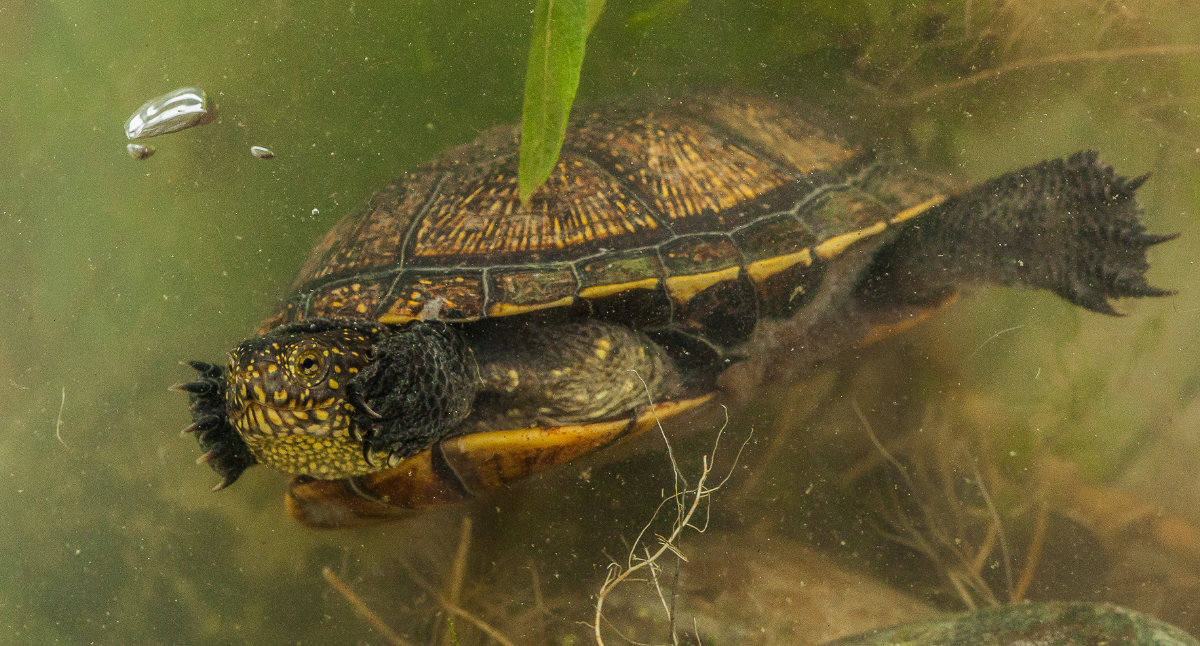
We are talking about the European pond turtle, or Emys orbicularis. It is a small turtle that lives near freshwater, can live for many decades, and like all cold blooded animals is often seen basking in the sun to warm up.
In the past, it was common to find it in wetlands from Syria to Denmark. Today, however, it is much rarer.
Human activity, as is often the case, has made life harder for this species. Wetlands have been drained to make way for farmland, pollution has entered rivers, and non native species and their parasites have arrived. All of these factors have reduced populations of Emys, and in some places caused them to disappear altogether.
On top of this, there is a more unusual issue in some areas.
In Piedmont, in northern Italy, there are more males than females. Scientists have been trying to understand why. One idea is that eggs which survive long enough to hatch are often those hidden in shaded areas under vegetation. In Emys, eggs that develop in cooler conditions tend to become male. So if there are too many males and too few females, as you can imagine, it becomes much harder for the population to grow.
Fortunately, there are people working to reverse this trend.
For more than 10 years, the Emys Piedmont Centre has aimed to bring this species back to the levels seen in the past. Together with the Management Body for the Protected Areas of the Piedmontese Po, Villa Pallavicino Park, and the Life Urca Proemys project, they launched the Emys project to support this goal.
Fondazione Capellino, which owns 100% of Almo Nature and uses its profits to protect biodiversity, has been funding this work since 2024.
The project is still ongoing, but early results are encouraging. Between 2024 and 2025, 81 turtles were released in the project areas, helping to restore balance and support the growth of the female population.
Then in 2025, more than 100 hatchlings were recorded, a record high.
In short, even when a species is close to disappearing locally, science and proper funding can still make recovery possible.
And, if we may add a light note, even turtles benefit from a bit of balance.