

Fondazione Capellino and the challenge of habitat loss that is isolating wildlife
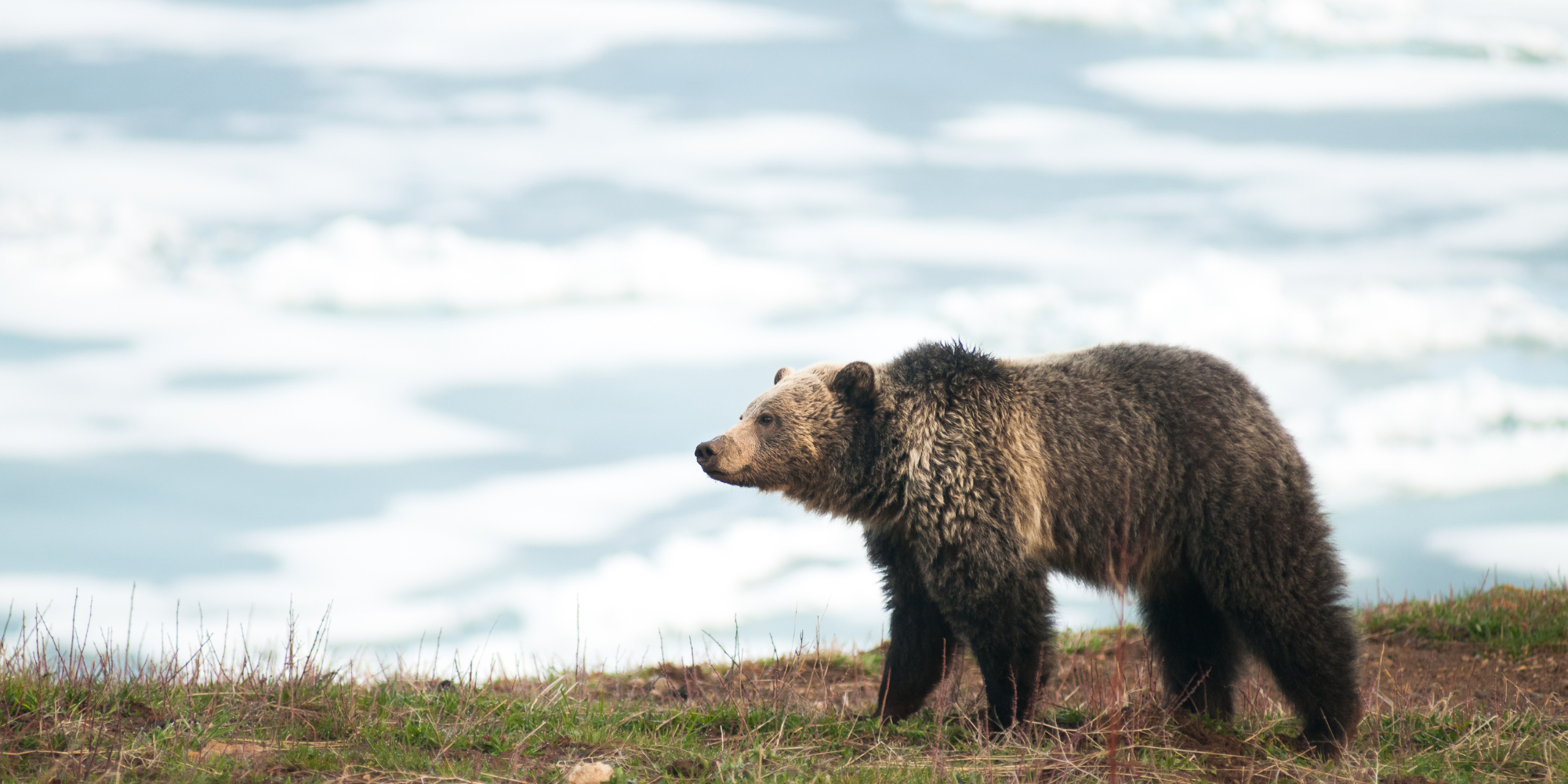
Fondazione Capellino was founded on a simple belief: that the profits generated by human activity should be returned to the Earth that made them possible. This idea has led it to support projects such as the Yellowstone to Yukon Conservation Initiative, one of the most ambitious efforts in the world to reconnect wildlife habitats. Stretching across 3,400 kilometers of the Rocky Mountains, this initiative is helping link fragmented habitats for grizzly bears, wolves, elk, and caribou. To understand why such work is so important, it helps us to follow, for a moment, the life of a female grizzly.
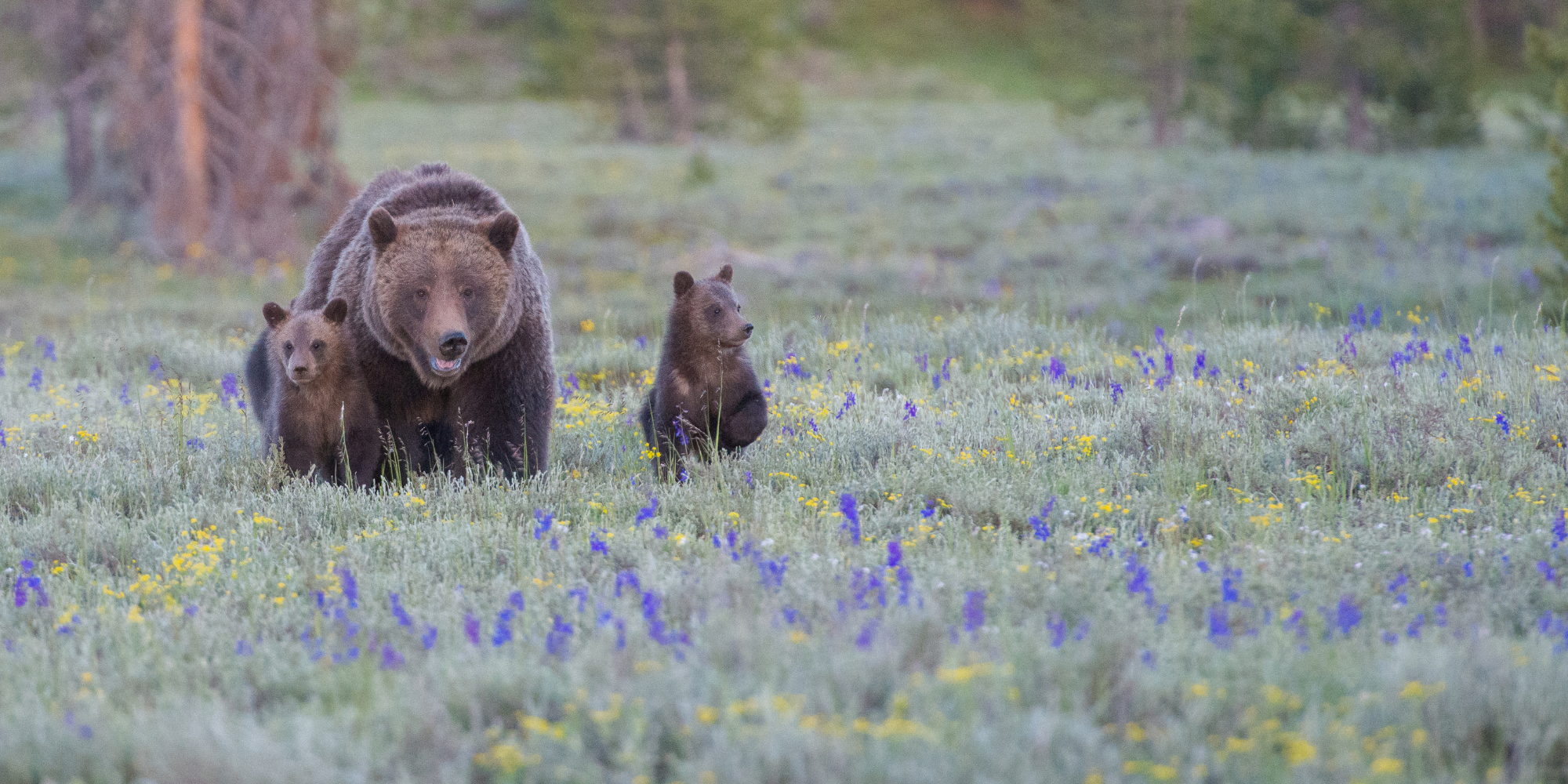
She travels dozens of kilometers every day. In summer, she depends on berries and wild fruits. In autumn, she needs rivers rich in salmon. In winter, she requires dense forests where she can give birth and raise her cubs. Above all, she needs to encounter other grizzlies, to reproduce and remain part of a population large and genetically diverse enough to give her cubs a healthy future.
Today, however, the lands where grizzly bears once roamed have been consumed, degraded, or broken into fragments. What remains is a patchwork of small, isolated areas, divided by roads, railways, farmland, and expanding cities. The female grizzly may find herself alone in the place where she was born, unable to reach another population just 80 kilometers away, separated by barriers she cannot cross.
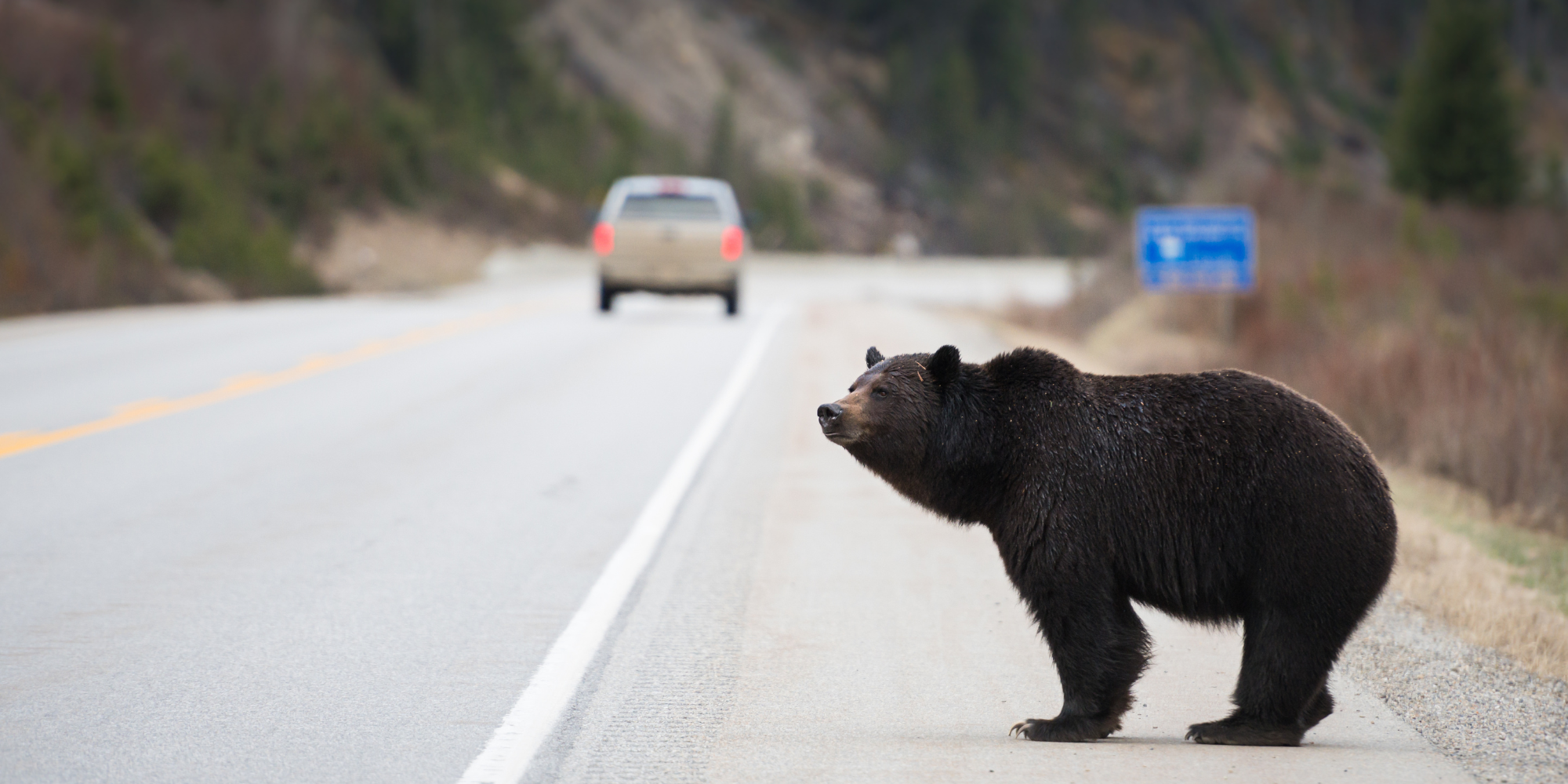
What is happening to her is not just her story.
Imagine waking up to find your city is suddenly split in two. The supermarket is no longer reachable. The route to work is cut off. Your children’s school is out of reach. Half of the people you care about are now beyond a barrier you cannot cross.
This is what scientists call habitat loss. It is one of the main consequences of the way humans have developed and reshaped the planet.
According to IPBES, around 75% of the Earth’s land surface and nearly 50% of its oceans have already been significantly altered by human activity.
As a result, many animal populations have declined sharply: bears, frogs, eagles and bees are still present, but their numbers are lower, their groups more isolated, and their survival more uncertain.
There is another concept that helps explain the urgency of this situation: extinction debt, meaning the delay between the destruction of a habitat and the eventual disappearance of the species that depend on it.
In other words, the effects are not always immediate. A forest may be cleared today, but the species that lived there only vanish decades later.
At first, animals may lose the space needed to move, find food, water and mates. Then migration routes are disrupted. Wetlands disappear, making long journeys impossible for birds. Over time, isolated groups stop mixing. Each new generation becomes genetically similar, reducing resilience to disease and environmental change. Eventually, a harsh winter, a drought or an outbreak of disease can bring a species to an end.
The Y2Y Project and the Role of Fondazione Capellino
Extinction debt reminds us that time is limited, but it also offers us a crucial insight: as long as species still exist, there is a chance to act.
Our female grizzly, for instance, still has hope. That hope takes the form of ecological corridors: stretches of restored habitat, underpasses or green bridges over roads that allow animals to move safely between areas that were once cut off from each other.
Along the Rocky Mountains, from Wyoming to Yukon in Canada, grizzlies, wolves, elk and caribou are once again moving across a connected landscape thanks to one of the most ambitious ecological connectivity projects in the world, the Yellowstone to Yukon Conservation Initiative (Y2Y). Today, the region includes 204 wildlife crossings, where two decades ago there were none, and protected areas have increased by 80%. The distance between grizzly populations once separated by roads, railways and human settlements has fallen from 240 kilometres to less than 80 kilometres. That distance continues to shrink.
These achievements require investment.
However, the greater cost lies in doing nothing.
Without healthy ecosystems, more than 50% of global GDP would be at risk. Every forest cleared, every wetland drained, every migration route blocked and every species lost is not only an environmental loss, but also an economic one. A 2020 report by the World Economic Forum estimated that an economy which restores and protects nature instead of degrading it could generate more than $10 trillion in opportunities and support 395 million jobs worldwide by 2030.
Some organisations and businesses have already chosen to build their economic model around restoration rather than extraction. This is exactly the principle of the Reintegration Economy, the commitment of Fondazione Capellino and Almo Nature: profits generated by economic activity are not distributed to shareholders, but reinvested entirely in projects that protect biodiversity and the wider biosphere, of which Y2Y is a concrete example. It shows that safeguarding biodiversity is not a cost to be borne despite the economy, but a choice the economy must support if it wants to have a future.
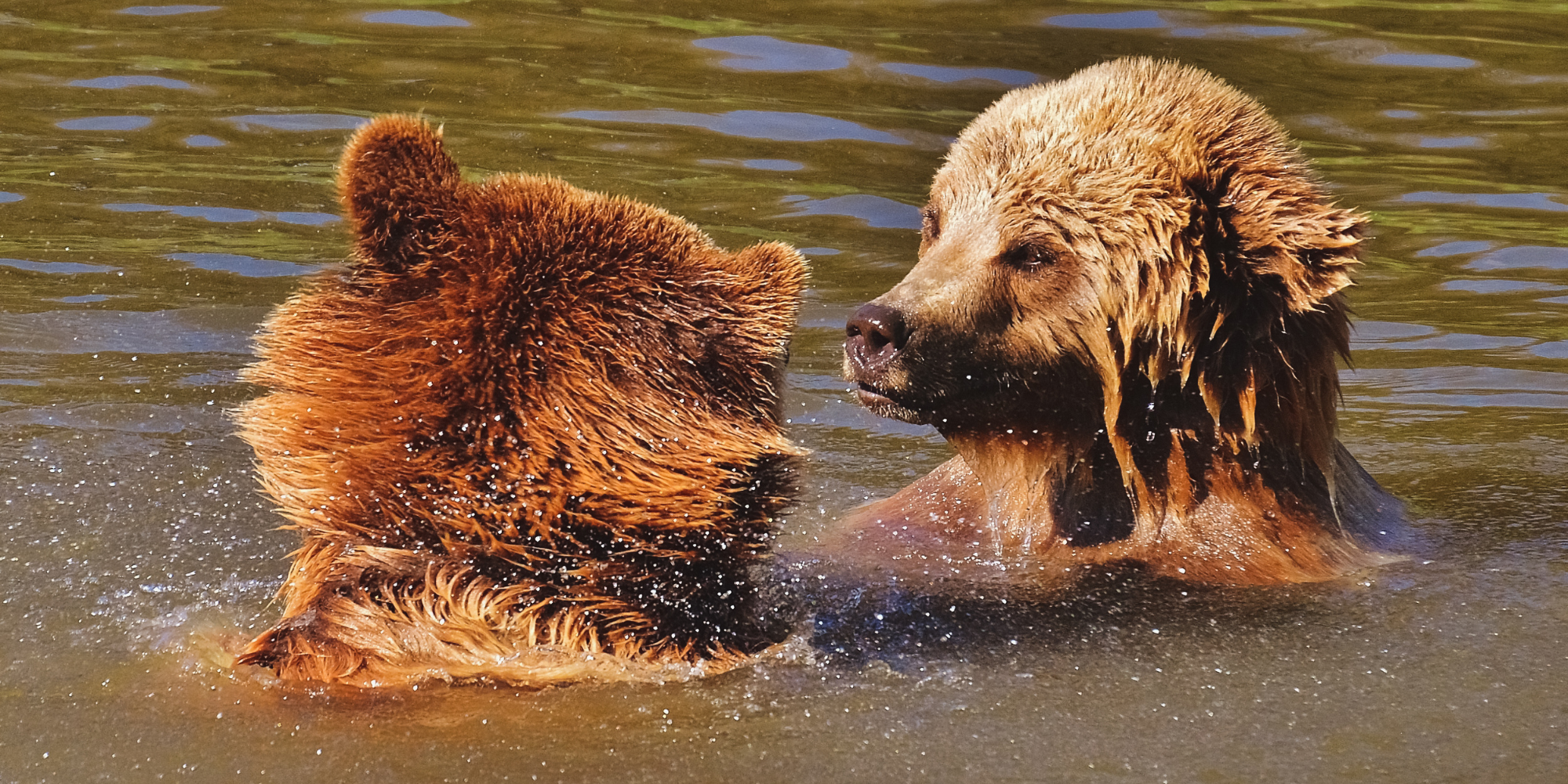
The female grizzly does not know any of this. She only knows that somewhere along the Rocky Mountains there is a tree-lined crossing over a busy road, a place where she can move forward without fear. And on the other side, another grizzly is waiting.