


From our dogs and cats to wildlife, nature and the world around us, we believe there is always more to learn about the planet we share and the challenges it faces.
Because of this, we invite organisations whose work aligns with our values to share their knowledge, experience and ideas with our community. We hope their insights inspire you to learn something new, try something different, share an idea or find a way to get involved.
In this post, we hear from Andy Stephenson from National Trust for Scotland, who shares details about the restoration of the ancient woodland of Drum.
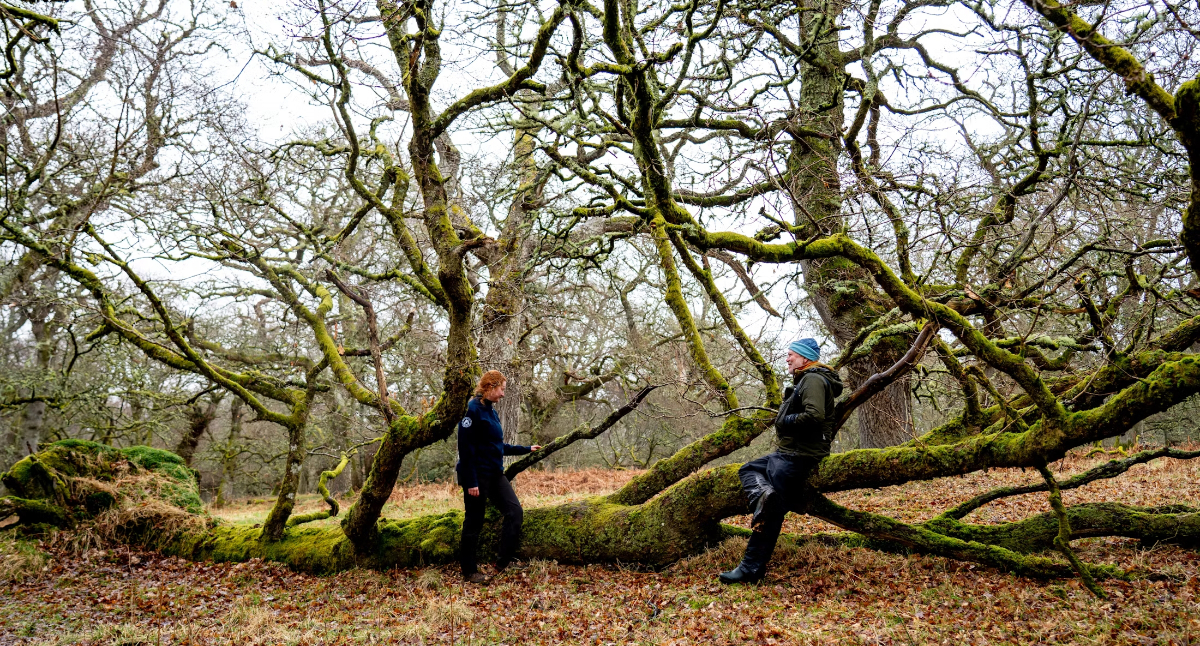
At the Old Wood of Drum in Aberdeenshire, the National Trust for Scotland is undertaking a long term project to restore woodland and wood pasture, protect ancient trees and create a more connected landscape for wildlife and people.
In 2022, two areas of land surrounding Drum Castle, Garden & Estate came up for sale from separate landowners. Together, they covered 50 hectares of woodland, and the National Trust for Scotland acquired both. Combined with the existing 45 hectares of ancient wood pasture, this almost doubled the size of the nationally significant landscape and helped secure its future as a home for ancient trees.
Creating space for nature
The project is about more than planting trees.
At Drum, the newly acquired land provides an opportunity to improve habitats and strengthen connections between areas of nature across the estate. When habitats become fragmented, species can become increasingly isolated. Reconnecting habitats gives wildlife more opportunities to move through the landscape and can help create a more resilient natural environment.
One of the newly acquired areas was previously managed as a commercial forestry plantation, containing mainly Scots pine, Norway spruce and Sitka spruce. After the trees were felled, the land began regenerating with non native conifers, Scots pine and native broadleaved trees such as birch, rowan, alder, aspen and willow.
The intention is to favour native trees suited to local conditions, alongside oak planting.
Oak is central to the future of the landscape. The Old Wood of Drum is particularly important for its ancient oak trees, but there is currently little natural regeneration of oak within the existing wood pasture. Browsing pressure and a lack of sufficient light in some areas have made it difficult for young oak trees to establish.
Creating a new generation of oak trees is therefore essential. Without new saplings, there will eventually be no younger generation to replace today’s ancient trees, along with the habitats they support.
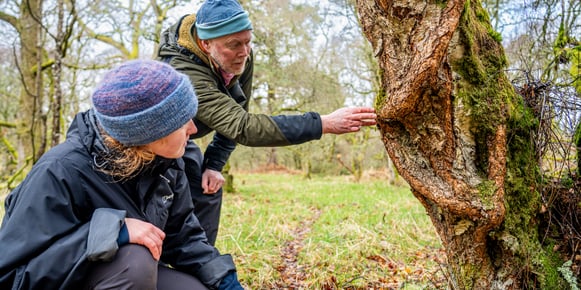
“Our intention is also to ensure the Old Wood of Drum thrives for the community.” Philip Long, Chief Executive of the National Trust for Scotland
Thinking in centuries, not seasons
Wood pasture restoration requires patience. An ancient tree is the product of many decades, and often centuries, of growth, so the ambition at Drum looks 100 to 200 years into the future.
The aim is to regenerate the wood pasture, creating conditions for future ancient and veteran trees, particularly oak.
Habitat monitoring will help build an understanding of how the landscape is changing. Invasive non native species, including Rhododendron ponticum, will be managed and removed where appropriate. Young oak trees will be established, with opportunities for local schools, volunteers and community groups to become involved.
Over time, woodland grazing and selective thinning could help create the varied conditions needed for a healthy wood pasture landscape.
Nature and people together
Restoring nature is not only about wildlife. Natural green spaces give people opportunities to learn, explore, exercise and connect with the places around them.
Discussions with local people have highlighted the importance of access to natural green space. Sensitive stewardship will therefore aim to improve access for schools, nature groups and the wider public, bringing together nature, heritage, education and wellbeing.
The landscape also contains remnants of the estate’s original tree lined entrance driveway towards Drum Castle, with plans to reinstate this historic feature. There is also the possibility of restoring Robbie Rossie’s Loch as a wetland habitat.
Together, these elements show how restoration can work across a landscape. Woodland, wood pasture, wetlands, historic features and access for people can all form part of a connected approach to caring for a place.
The Old Wood of Drum is described by Philip Long, Chief Executive of the National Trust for Scotland, as “one of the few surviving medieval wood pastures and the best collections of ancient trees in Scotland”.
A landscape with potential
Restoration on this scale will not happen overnight. The Old Wood of Drum’s designation as a Site of Special Scientific Interest provides an important foundation for biodiversity work.
The ambition is to build on this natural value and develop a larger, more accessible landscape of ancient and developing woodland and wood pasture.
It is easy to think of conservation as protecting what remains. Protection is essential, but restoration creates another opportunity. It allows us to repair damaged habitats, reconnect places where nature has become fragmented and create the conditions for new generations of wildlife and plants.
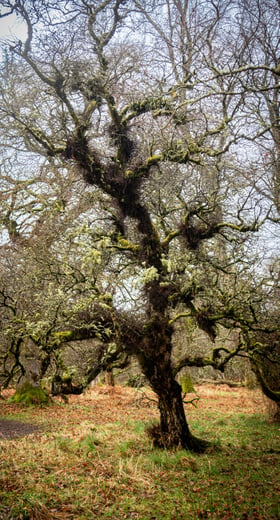
At Drum, that means protecting ancient trees while thinking about those that may become ancient many generations from now. It means allowing native woodland to regenerate, managing invasive species, creating wetland habitat and connecting the landscape. It also gives people the opportunity to experience these places and understand why they matter.
Looking beyond Drum
The work at the Old Wood of Drum is rooted in Aberdeenshire, but the challenges it responds to are not unique to Scotland.
Across the UK and around the world, natural habitats have been lost, degraded or separated from one another. Restoring habitats and reconnecting landscapes can create opportunities for nature to recover.
Drum offers a practical example of what this can look like. It combines the protection of ancient woodland with the creation of future generations of trees. It brings together woodland, wood pasture and wetland habitats, alongside monitoring, practical management, education, volunteering and public access.
Most importantly, it takes a long view.
Chris Wardle explains, the issue is not simply about replacing individual trees. 'If we don’t start a new cohort of oak saplings now, there will be no ancient oak trees here in the future, and the habitat will be lost'.
The trees planted or encouraged to grow today may still shape this landscape hundreds of years from now, becoming part of the natural heritage experienced by future generations.
Nature restoration can feel like a huge global challenge, but meaningful change is also built from individual landscapes, habitats and communities. The Old Wood of Drum shows how restoring one landscape can create space for nature, reconnect habitats and strengthen the relationship between people and the natural world.
Wherever we live, restoring and protecting habitats is an investment in biodiversity, wildlife, healthy ecosystems and the many forms of life with which we share this planet.
About the Reintegration Economy
For us, the key word is ‘connection’. This is why we created Nature Has No Borders, our new EU wide initiative focused on reconnecting habitats, removing barriers and supporting wildlife.
The loss and fragmentation of habitats, alongside the wider loss of biodiversity, are global challenges. Nature needs connected landscapes to thrive and continue supporting life across our shared planet.
Through purchases of Almo Nature, Fondazione Capellino supports projects around the world that remove barriers, reconnect habitats, protect nature and restore biodiversity.
We call this approach the Reintegration Economy.
By choosing to be part of it, you are helping this work continue.
