

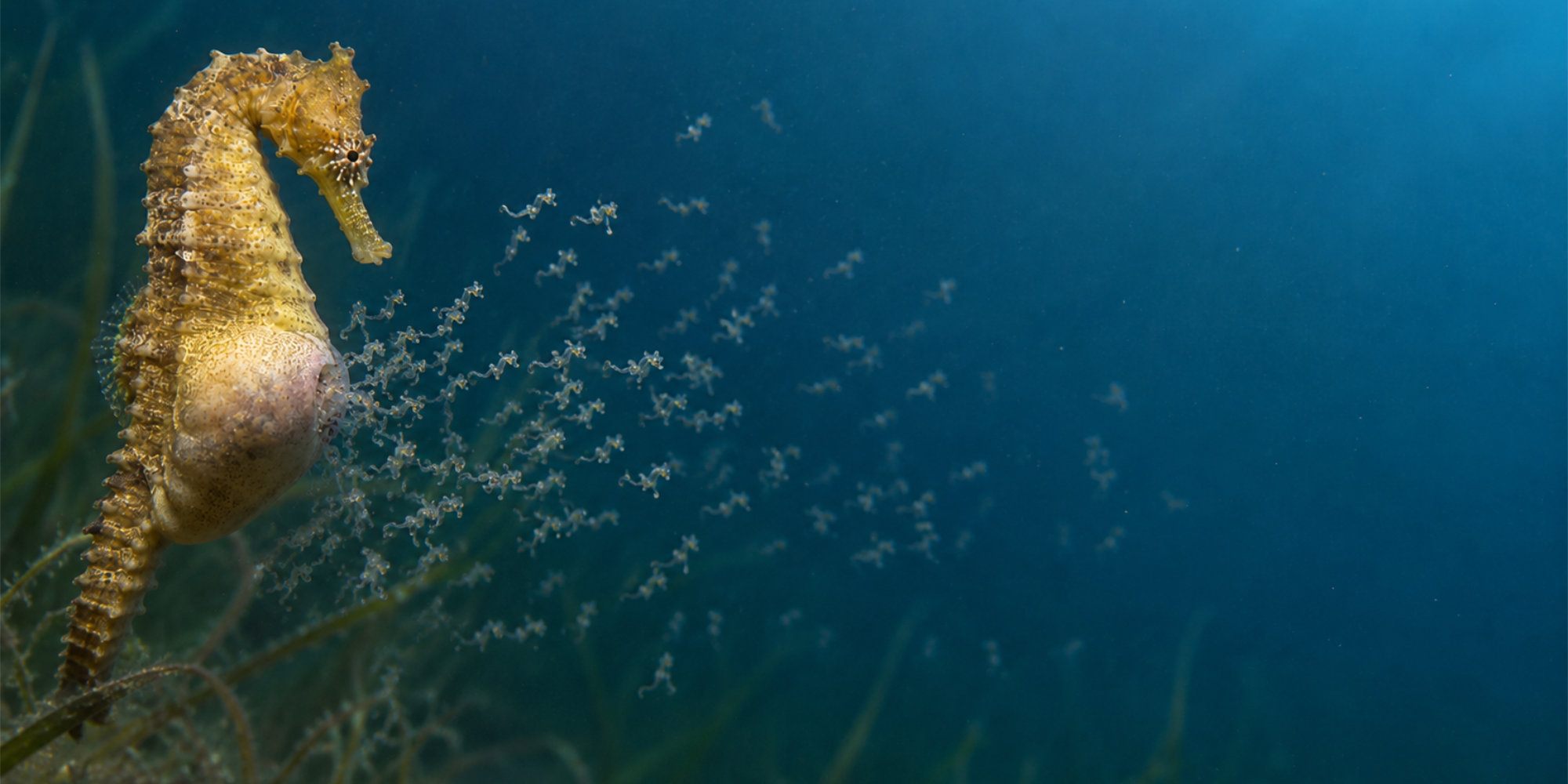
Right now, somewhere in the ocean, a male is giving birth.
It is the male seahorse that carries the pregnancy. He nurtures the developing embryos in a specialised pouch and eventually gives birth to them, while the female is already producing a new batch of eggs.
Does that sound strange? Not really.
Flora and Sungai, two female Komodo dragons living in captivity without any contact with males, have produced healthy eggs through parthenogenesis, a process in which embryos develop without fertilisation by a male.
The male argonaut octopus takes an even more remarkable approach. He detaches his reproductive arm, passes it to the female, and then dies. She keeps it for months and uses it when the time comes to fertilise her eggs.
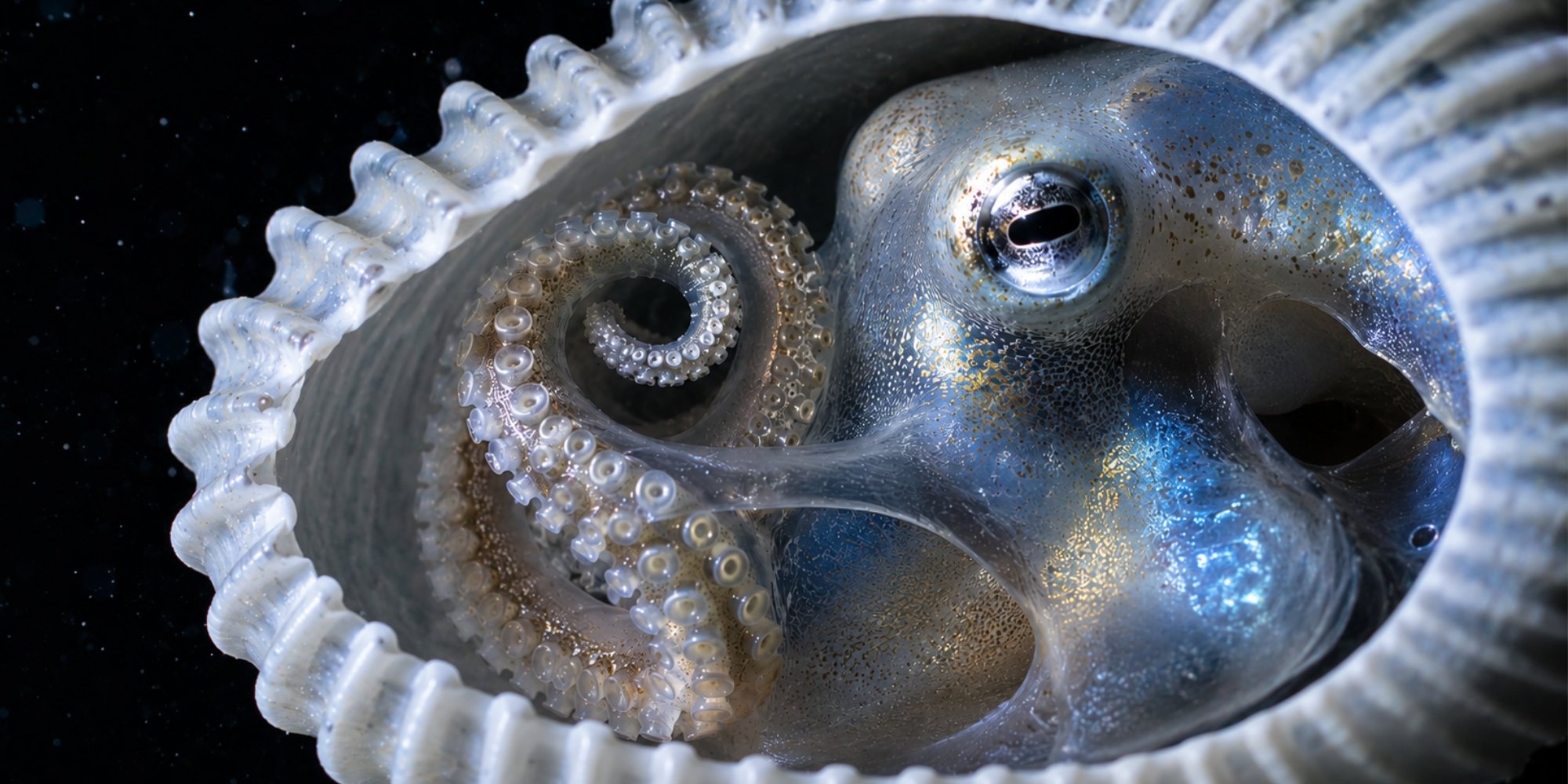
Evolution has produced organisms that thrive around underwater volcanoes and others that survive in permanently frozen ground. There are animals that change sex, plants that reproduce without pollinators, and fungi that create vast underground networks stretching for kilometres, connecting and communicating beneath our feet.
Whenever we think we have reached the limits of what is biologically possible, nature proves otherwise. Diversity is not an exception to the system. It is the system. And it is this diversity that helps secure the future.
Protecting this extraordinary wealth of biodiversity is the only natural safeguard that has proved effective over timescales so vast that any human plan seems small by comparison.
That is why Fondazione Capellino exists, and why the net profits generated by Almo Nature are reinvested in practical conservation projects. We call this the Reintegration Economy: the impact created by feeding our animal companions is transformed into support for biodiversity, which continues to reveal itself as far more complex and remarkable than we once imagined.
The social lives of animals are just as surprising, and far richer and more varied than we have often been willing to recognise.
There are same sex pairs raising young, matriarchal societies, and behaviours that can seem harsh through human eyes. When male lions take over a pride, they often kill the cubs of their predecessors, bringing the females back into fertility. The cuckoo takes a different approach, laying its eggs in the nest of another species. Once hatched, the chick pushes out the eggs of its unsuspecting hosts, who continue to feed and care for it as their own.
These behaviours may seem ruthless, but they are strategies that natural selection has favoured for millions of years.
The biological and behavioural variations that were often overlooked or dismissed during the twentieth century may in fact be the very source of the flexibility that allows biodiversity to respond to challenges we have not yet encountered.
Theoretical physicist Carlo Rovelli wrote that, "At the edge of what we know, in contact with the ocean of what we do not know, the mystery of the world and the beauty of the world shine forth, leaving us breathless."
Fondazione Capellino exists to help keep that ocean alive. Through every project it supports. Through every individual given the opportunity to continue living, adapting and contributing to the richness of life on Earth.
And it is the people who choose Almo Nature who make this possible.